




In its annual review for 2009, the paper sector trade body claimed councils looking to cut costs by introducing commingled collections over the past 12 months had had a detrimental impact on the quality of material.
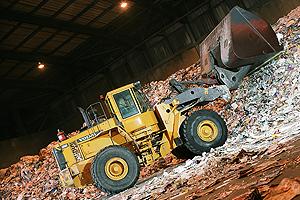
The issue of the quality of recovered paper collected at the kerbside has also been raised in previous years by the Confederation of Paper Industries (CPI), however, it claimed that this had been exacerbated by the fact that the recession had affected routes of traditionally high quality recovered paper.
In particular, the CPI pointed to the closure of printers and box makers due to the global economic downturn and said this was coupled with a decline in newspaper pagination and the requirement of direct marketing to target clients more effectively.
And, as a result, it said in the review: “The loss of many traditional sources of high quality recovered paper – due to the recession's impact on printers and box makers and significant closures in the sector – puts pressure on merchants forced to source from lower quality streams in order to maintain volumes.”
Consumption
In addition to concerns about quality, the amount of recovered paper collected fell between 2008 and 2009, going from 8.8 million tonnes to 8.4 million tonnes in 2009, which the CPI attributed to the slowing global economy.
It stated: “The recession induced fall in domestic consumption of paper and board products led to a reduction in collected volumes and a consequent stabilisation of prices.
“The subsequent Chinese economic stabilisation package saw prices return to previous average levels. Domestic demand for ‘news and pams' was increased by the commissioning of the new Palm Paper newsprint mill in Norfolk, again putting pressure on prices,” it added.
At its annual general meeting in May 2009, the CPI said there needed to be an increased focus on quality, and it welcomed moves by organisations such as the Waste & Resources Action Programme (WRAP) to focus on the issue (see letsrecycle.com story).
Usage
And, while quality emerged as a key concern, the document also states that, while exports of recovered paper had risen 900% in the past decade, paper and board mills in the UK are using 20% less recovered paper now than in 1999 and domestic usage of recovered paper fell to 3.8 million tonnes in 2009 – which the CPI claims is the lowest for 15 years.
Of the 200,000 tonnes less used in 2009 compared to 2008, the majority was old corrugated containers (OCC) which fell by 12.4% to 1,390,000 tonnes. However, the news and pams usage was almost the same in 2009 as it was in 2008.
Support
In the review, the CPI also draws attention to the work it has done in the recycling sector, which includes working with the Waste & Resources Action Programme (WRAP) to develop a standardised test method for recovered paper taken from a single stream recycling collection.
And, it also highlights the work the CPI has done with WRAP to help promote and support the need for local authorities to look beyond collection costs towards the wider environmental and economic implications of their collection services.
Speaking in the foreword to the review, Bob McLellan, president of the CPI, said: “Paper and packaging and related industries have a major part to play in helping society tell a greener story, reduce waste, lower carbon footprints and help towards more efficient delivery and recycling systems.”
Publication of the review comes just weeks after the trade body unveiled Steve Smith of Kent-based SCA Recycling as its new recovered paper president following the organisation's annual general meeting at the end of April (see letsrecycle.com story).


Subscribe for free