Warning over AD commercial success
Friday 23 November 2007 Organics News
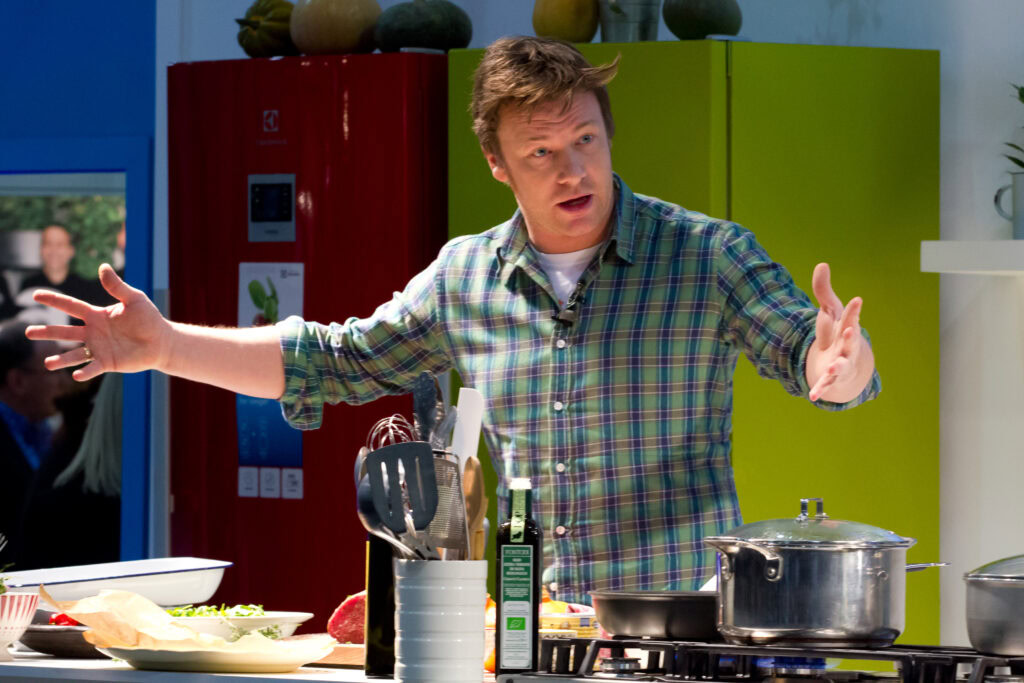
A former chairman of the Composting Association, Trelawney Dampney, has warned councils against "charging off" down the anaerobic digestion route before checking if the technology is "commercially sensible".
Everyone is charging off down this route without looking at basic economics of it- we need to have a realty check to make sure it is commercially sensible
Trelawney Dampney
Mr Dampney, managing director of Eco Composting Ltd in Poole, said analysis carried out by his firm had found that the technology - which processes organic waste to produce electricity and a soil fertilizer - was not economically viable.
He said: "Everyone is charging off down this route without looking at basic economics of it- we need to have a realty check to make sure it is commercially sensible."
The technology has gained in popularity following the publication of the English waste strategy which promoted AD to treat source segregated bio-waste.
ROCs
And it has also attracted attention because under renewable energy rules, from 2009 operators can have double the standard amount of renewable obligation certificates - known as ROCs - allocated to the process which accordingly gives a larger financial benefit.
However, Mr Dampney claimed that even with these concessions, his company's analysis found against AD technology.
He explained: "From an economic perspective, you would need treble or even quadruple ROCs to make the technology economically viable. Councils need to consider whether the income from the power generated, outweighs any extra capital costs you need to put into the plant? Our analysis show in the short term it is not cheaper than in-vessel composting."
Mr Dampney pointed to examples in Europe which appeared to show in-vessel composting was a better financial option.
He explained: "On the continent small anaerobic digestion plants get 3 or 4 times ROCs which makes it economically viable. The UK is only offering double ROCs.
"You are looking at having a £2 million pound AD site for a 20,000 tonne capacity site whereas an IVC is likely to be around £1 million."
Related links
He also stressed the similarity between the two technologies and said: "You still need to shred the product and dispose of the end product and I can't see retailers or farmers buying digestate. Green waste compost has good connotations associated with it, food waste has odour issues and is more difficult to use even though it has higher nutritional value for the soil."
Mr Dampney did concede that "AD may well be the most environmental way of going forward but the modelling we have done shows economically it doesn't stack up."
©2010 letsrecycle.com | Terms & Conditions | About Us | Useful Links