Household food waste targeted in Courtauld mark two
Thursday 04 March 2010 Packaging News
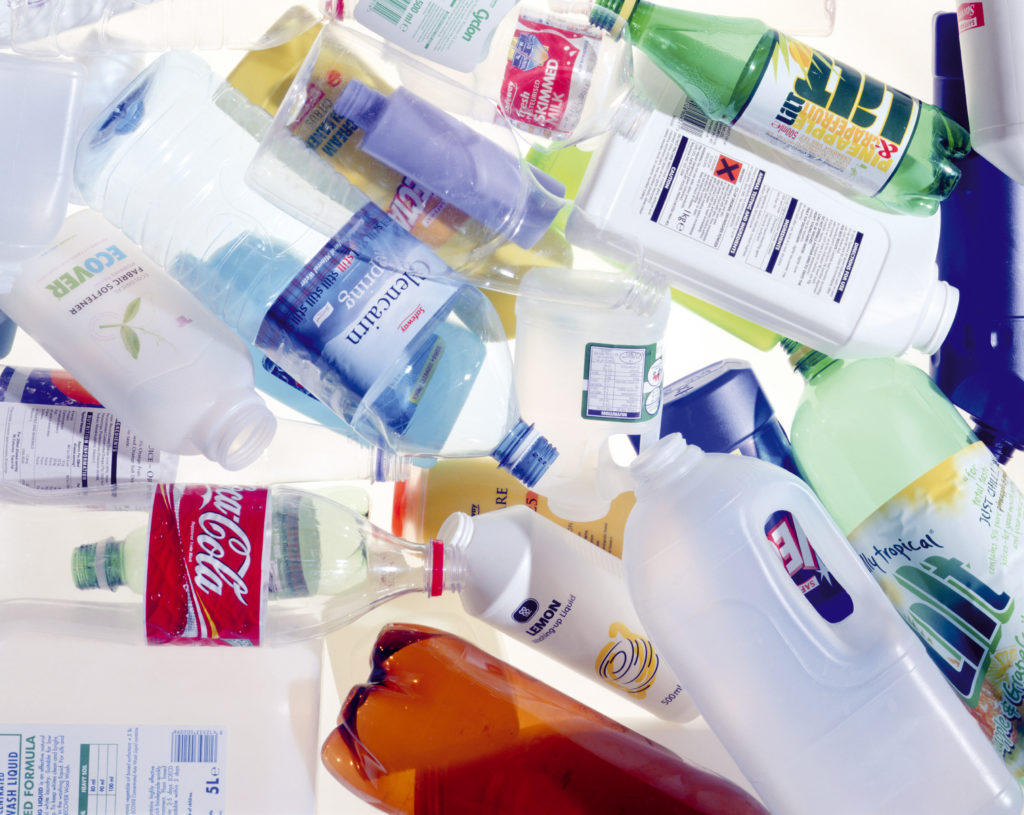
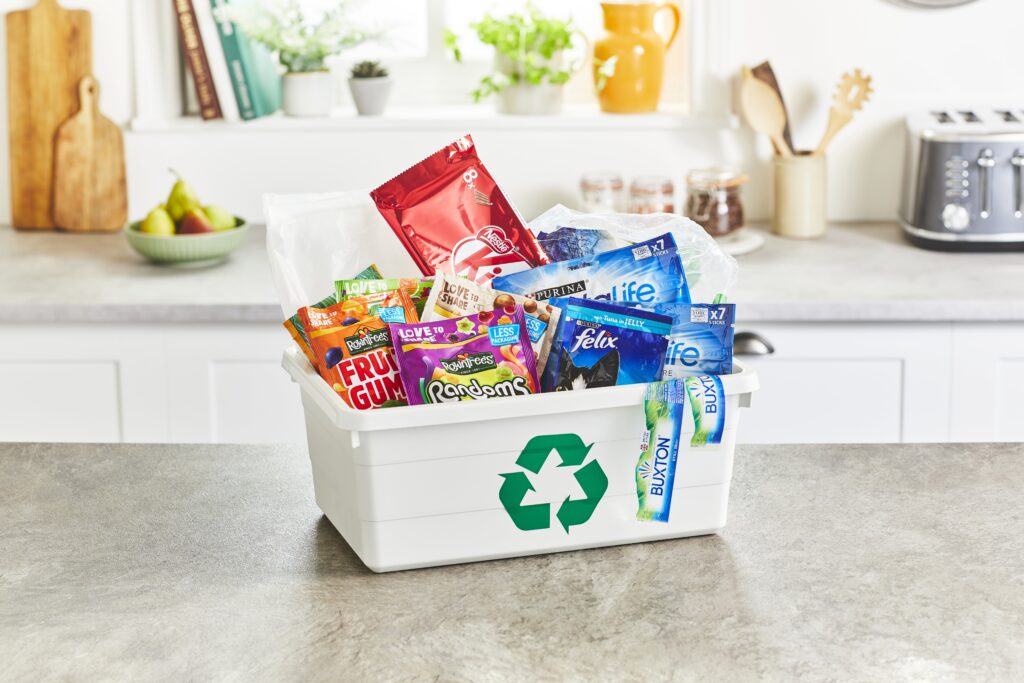
Retailers and brand-owners have made a commitment to reduce the carbon impact of grocery packaging and to reduce waste as part of a second Courtauld Commitment launched today (March 4).
![]() |
| The second part of the Courtauld Commitment is aimed at reducing the carbon impact of packaging in the food and grocery sector |
Unlike the first commitment, which only addressed packaging and household food waste, the new agreement also aims to achieve a 10% reduction in the carbon impact of grocery packaging between April 2010 and December 2012, compared to 2009 baseline levels.
WRAP said it aimed to achieve this goal by reducing the weight of grocery packaging and increasing its recycled content, as well as increasing recycling rates for the waste stream to achieve a 1.1 million tonne reduction in carbon dioxide equivalent emissions.
'Courtauld II' also includes a commitment to help bring about a 330,000 tonne, or 4%, reduction in household food waste from 2009 levels by December 2012 - building on the 2.3%, or 155,000 tonne reduction from 2008 levels the original agreement aims to achieve by 2010.
And, it sees the inclusion of actual targets for packaging waste reduction - unlike the first commitment which just aimed for an "absolute reduction" - with a goal set of reducing traditional grocery product and packaging waste across the grocery supply chain by 5% of 2009 levels by December 2012.
Courtauld Commitment II targets (to be met between April 2010 and December 2010)
- Reducing the carbon impact of grocery packaging by 10%, or 1.1 million tonnes, of CO2 equivalent from 2009 levels
- Reducing household food waste by 4%, or 330,000 tonnes, of 2009 levels
- Reducing product and packaging waste throughout the supply chain by 5% of 2009 levels to save 0.7 million tonnes of CO2 equivalent
As with the previous agreement, the goals are set for the signatories as a whole, and not for individual retailers or brands.
The launch of the new commitment, with its lifecycle and supply chain focus, comes against the backdrop of the Waste and Resources Action Programme appearing to take on more of a cradle-to-grave approach in its work as it takes control of all Defra's resource efficiency work.
This has already seen the body announce that it will be taking over Defra's product roadmaps which aim to increase sustainability across a product's lifecycle for sectors such as textiles from April 2011.
Highlighting the importance of the new agreement, WRAP chief executive Liz Goodwin claimed it addresses "one of the biggest challenges" facing society - to reduce the environmental impact of consumer products.
"It's no longer enough to look at the impact of packaging alone - that's why Courtauld Commitment 2 takes into account the environmental impact of product waste in the supply chain as well as at household level," she said.
"We're thrilled that so many signatories - old and new - have already committed to this new agreement, and we hope that many more will soon follow their example," she added.
Coming alongside the launch of a consultation on new packaging recycling targets later today, environment secretary Hilary Benn highlighted the importance of addressing the packaging waste stream.
"A fifth of household waste is packaging, and more than half of this comes from the groceries we buy. This packaging can be essential but in many cases using less and smarter packaging can achieve the same result," he said.
"Grocery manufacturers and retailers have already started to take action and have halted the increase in packaging. The new Commitment sees them go further than ever in reducing food waste and packaging, and making it smarter - and I want to see members of the industry continuing to sign-up over the coming months."
WRAP
Explaining the rationale behind the targets set in the new commitment, WRAP's director of retail, Richard Swannell, explained that each one was expected to deliver "roughly" one million tonnes in carbon savings.
"We have fixed a way of estimating the carbon impacts of different things we do, we have reviewed all the published work and then used that to come up with industry level impacts," he told letsrecycle.com.
He noted that the methodology used to calculate the carbon reduction by estimating the carbon impact of activities such as packaging optimisation, were currently undergoing a peer review.
"The targets are stretching but we think they are achievable," Mr Swannell said, explaining that, while the targets were goals for WRAP to meet, it would be working with each signatory to the commitment to develop an individual implementation plan which would be "tailored to specific signatories".
"We'll look to areas where cross-sector activities can provide the biggest change," he added, pointing towards the success of initiatives such as GlassRite (see letsrecycle.com story).
With the current Courtauld Commitment expiring at the end of this month, Mr Swannell said WRAP planned to report on its performance towards the first commitment's three targets in the summer.
Related links
WRAP - Courtauld CommitmentAnd, he explained that the next step for the Commitment would be looking at the "environmental impact of products", but noted that a lot more work needed to be done in this area.
He added that, with Courtauld II, "we're starting on the products stuff but starting in a way in which we think is deliverable."
©2010 letsrecycle.com | Terms & Conditions | About Us | Useful Links