




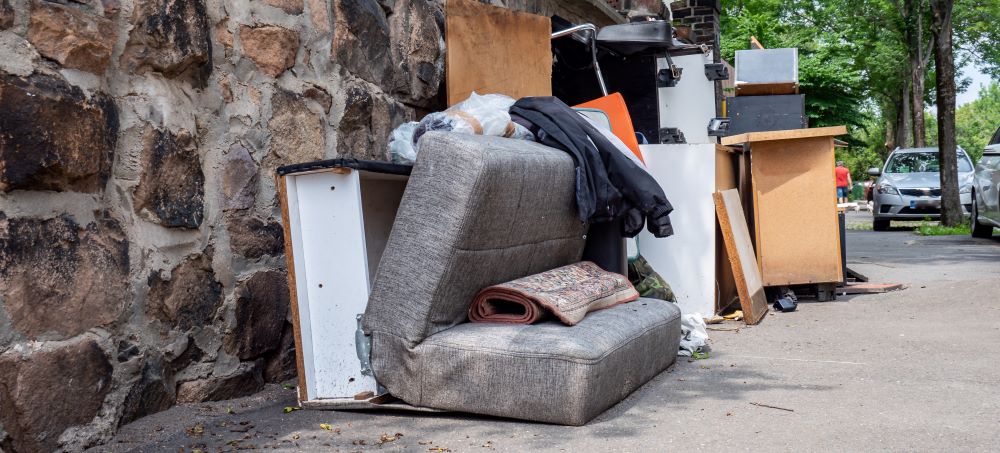
Lowestoft town council is the latest one to discuss the proposal, with another meeting set for next week (25 October).
A report by the council’s environmental waste working group proposed the introduction of the service to residents in Harbour and Kirkley, which are worst affected by fly-tipping. The proposed collection service would alternate between the areas every week.
The group said that the main reasons for increase in incidents in these areas were the cost of bulky waste collection at £47, lack of fly-tipping signage and enforcement and no access to a car to get to a recycling centre.
If approved, the items for collection would include large domestic kitchen appliances, sofa, wardrobes, large tools and the like. The service costs would be borne by the council, which is estimated at around £25,000 per annum. The service would start from December.
No evidence
The link between charges for waste disposal and fly-tipping has often been discussed, including those at HWRCS.
In 2021, resources charity WRAP published a study which examined the link between HWRC charging for DIY waste and fly-tipping.
It found that “HWRC charging does not have a statistically significant association with increased fly-tipping”. The report added that taken at face value, there is no evidence that charging at HWRCs either increases or decreases fly-tipping rates.
While focussed on a different type of waste, the findings can also be applied to charges for bulky waste collection.
Additionally, the point was reiterated by John Coates, head of external affairs at LARAC. Mr Coates agreed that studies show “no evidence link between council policy and fly-tipping”. “It is difficult to draw correlation between council policy and levels of fly-tipping,” he added.
He pointed out that it’s rare for residents to fly-tip and waste crime is usually committed by individuals doing it on a sustained basis for commercial reasons.
“Even councils with a free bulky waste collection service have fly-tipping issues which proves there isn’t a link. The fly-tipping might be coming out of the area, particularly in rural areas. Councils and the Environment Agency have not got the resources at the moment to identify and deal with these serial fly-tippers,” Mr Coates continued.

Mr Coates said that “the recycling network is generally good”, but a big part of the issue is that “residents don’t understand and don’t know about the consequences and the environmental impact of giving their waste to unlicensed waste carriers”.
He suggested that that the issue needs to be looked at “as a whole system”, ensuring that residents are provided with the information to be able to do the right thing. They should also know the risks of unlawful disposal.
Other councils
When it comes to other local authorities, the views on the effectiveness of free bulky waste collections are conflicted.
Some, such as Reading borough council and Ashfield district council, have rolled the service out earlier this year “to help discourage fly-tipping and limit the number of trips to the HWRC”. Similarly, Harrow council approved a free bulky waste collection last week (13 October), starting from the new year.
In contrast, Tonbridge and Malling borough council voted not to reinstate a weekend bulky waste service “in an effort to maintain record recycling rates”. The service has been suspended since the start of the Covid-19 pandemic and allowed residents to drop a range of large items into bin lorries at 55 locations around the borough.
A report to councillors pointed out the potential negative impact of reintroducing the service on the borough’s recycling rate. It also noted that the staffing requirement for 10 HGV drivers to operate the service and that a £9,000 per year subsidy from Kent county council had been withdrawn following the opening of a recycling centre at Allington in May.
Cost
Waste crime costs the economy around £1 billion a year, the Public Accounts Committee said in a report on the issue published this week (19 October). It added that “that is likely an underestimate.”
While the committee acknowledged that “landfill tax and local charges for disposing of waste create financial incentives to commit waste crime”, but argued that “penalties if caught are not proving effective at deterring people from committing such crimes” (see letsrecycle.com story).
In 2020/21, local authorities in England dealt with 1.13 million fly-tipping incidents, an increase of 16% from the 980,000 reported in 2019/20, government statistics showed.

Subscribe for free