




The corrugated packaging company was originally planning to close the machines, which turn used cardboard and mixed paper into brown paper for use in cardboard, in 2014,with the new machine becoming operational inearly 2015 (see letsrecycle.com story).
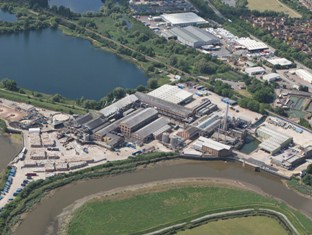
However, the firm announced today (May 3) that the machines would be closingthis July in a bid to advance the start-up of the new machine.
The company explained: We have decided to bring forward the closure of our two existing paper machines at our Townsend Hook mill in the UK. They have a combined capacity of 250,000 tonnes and are expected to close on 1 July 2013, after the completion of a consultation process with all employees, instead of 2014 as originally planned.
It continued: We are bringing forward the closure in order to extend the training period for our workforce, advance the start-up of the new paper machine and increase the pace of the expected ramp up. The facility will be rebuilt (using a machine acquired from the Cadidavid liquidator in 2011) into one 250,000 tonne modern lightweight machine which will now be operational by quarter four of 2014 rather than quarter one 2015.
Market
The UK market for corrugated materials has three main players: DS Smith with facilities in Kent, SAICA Paper in Partington and Smurfit Kappa which also has a paper machine in Birmingham.
The decision to bring forward the project comes just a week after SAICA officially opened its rival lightweight containerboard machine at Partington, Manchester, which is considered to be the most advanced mill of its type in Europe (see letsrecycle.com story).
“Our intention is to continue to manage the flow of material in anticipation of the new machine”
Simon Weston, Smurfit Kappa Recycling
Simon Weston, managing director of Smurfit Kappa Recycling UK, told letsrecycle.com that the 100 million investment at Townsend Hook would strengthen Smurfit Kappas position in the market and was being made in response to demand for lighter-weight packaging materials.
He said: The market requires lighter papers and the machine required to manufacture them is more sophisticated than the old machines.
One machine also means we can reduce the headcount on site and will not have duplicate services. It will fit the Kent site for the future.
Demand
The closure of the two paper machines in Kentcould mean that domestic demand for used cardboard and mixed paperswill fall in the short term while the new machine is installed. This material is currently sourced for Smurfit Kappa from local authorities and business by its recycling arm, Smurfit Kappa Recycling.
However, Mr Weston said that Smurfit Kappa would divert material to its mill in Birmingham and facilities in mainland Europe in the interim.
He said: We have got another machine in the UK in Birmingham which will take up some of the slack. We are also Europes biggest user of recovered fibre so we have plenty of outlets. Our intention is to continue to manage the flow of material in anticipation of the new machine.
Related Links
Commenting onthe company’swideractivities, Smurfit Kappa said: This investment of approximately 100 million (114 million), combined with a 40 million investment in our 420,000 tonne Hoya mill, which will be completed in May this year, will enhance the lightweight capabilities of the Group, better reflecting current market dynamics. Together, the investments will further increase productivity and significantly lower costs in our UK business.
Subscribe for free