



The revelation comes in New Earth’s annual report for the year ended 31 January 2015, published on the Channel Islands Securities Exchange last Friday (20 May 2016), which shows that the company made consolidated losses of £29,670,000 over the 12 month period (compared to a loss of £11,996,000 in the previous 12 months).
The annual report, which is the first set of accounts to be submitted by the company since 2014, was approved by the company’s board, and signed off by interim chief executive Gerben Nijland, last week (19 May).
It is noted that over the course of the year reported, six directors of New Earth Solutions Group resigned – including William (Bill) Riddle on January 1 2015, who founded the company around 10 years ago.
Co-Op
Senior lenders the Co-Operative Bank and Norddeutsche Landesbank Girozaentrale meanwhile provided debt funding of £4.8 million to the Dorset-based recycling firm, the report reveals, with further funding of £300,000 provided by the New Earth Recycling & Renewables (Infrastructure) Fund in April 2016.
An unnamed developer of European CHP plants is negotiating to acquire the entirety of the company’s senior debt with a settlement date of 31 May – conditional on the developer’s lender successfully syndicating facilities required “in connection with the trade”.
Should the transaction go ahead, New Earth will be in a position to continue trading with an estimated £1.5 million of capital being made available to the Group over the next 12 months.
New Earth states that it has received ‘implied support’ from the developer. However, it adds that if the developer does not complete its acquisition, the directors “may have no option other than to appoint administrators to the group”.
Gerben Nijland, interim chief executive of New Earth, told letsrecycle.com that the annual accounts report “speaks for itself”.
‘Solution’
He said: “It’s why we have been looking for a solution. There have been negotiations on the financial restructuring to put us on track again.”
Mr Nijland added that the European developer would be “a very good match” for New Earth, and would “play their part” in ensuring RDF tonnages are not sent to landfill.
On the prospect of entering administration, he said: “This is all the information we have at this moment in time, but it is our opinion that it [an agreement with the developer] can be reached very soon.”
Earlier this month, Michael Richardson, director of Premier Group Fund, wrote to shareholders of the Recycling & Renewables (Infrastructure) Fund warning that a “lack of clarity” surrounded the future of the Group. It was also revealed that a number of small investors in the Fund had complained to the Financial Ombudsman Service for receiving what they considered as poor investment advice (see letsrecycle.com story).
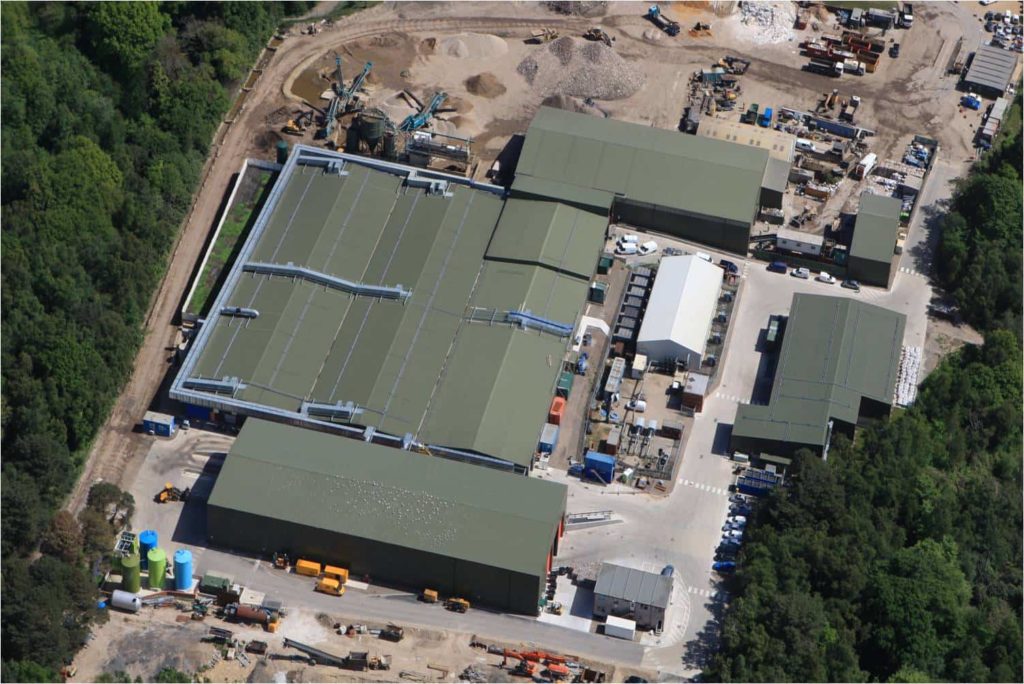
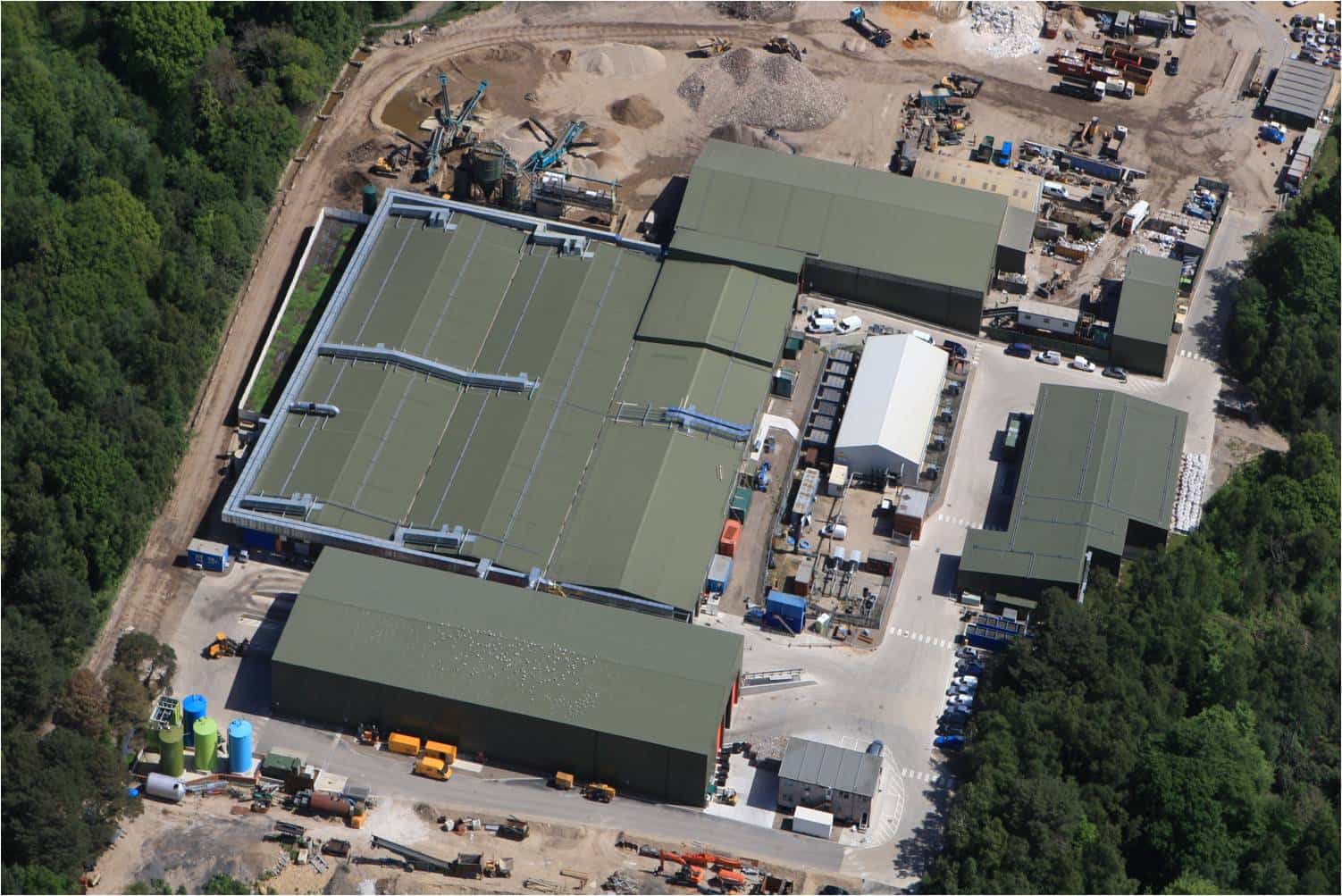
The latest financial results from New Earth reveal that the Group lost nearly £30 million across its operations, compared to £11,996,000 the year previously. New Earth continues to operate five waste plants at Avonmouth MBT near Bristol, Canford in Dorset, Sharpness in Gloucestershire, Cotesbach in Leicestershire and Blaise in Kent.
Energy
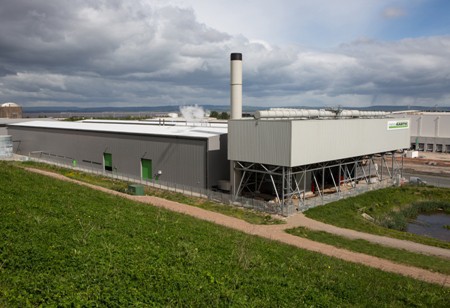
It is revealed within the documents that in July 2015, Avonmouth Bio Power acquired the Group’s gasification plant near Bristol including its investments in New Earth Energy (West) Limited and New Earth Energy (West) Operations Limited for £2.
New Earth now operates a 30-month contract to supply refuse-derived fuel to the Bio Power plant.
The company has warned that its RDF could need to be landfilled if no new third party offtakes are found for the product on the continent. New Earth reasons that despite an increase in the availability of RDF, the capacity to process the material in Europe is remaining stable.
The annual report paints a complex financial picture of New Earth’s position. A full breakdown in the costs can be found in the documents here.

Subscribe for free