




And in a review on in-vessel composting published in April, the North London Waste Authority (NLWA), a partnership of eight councils, revealed its “reluctance” to introduce the material into organic collections for “fear of increased contamination”.
However, following tests conducted by LondonWaste and composting technology firm Agrivert, which controls the day to day running of the compost centre at the EcoPark, British Standard EN13432 compliant bags were shown not to have a detrimental effect on the process.
London Waste has since advised the NLWA that compostable liners that comply with EN13432 can be successfully composted in its in-vessel compost centre and the EcoPark compost centre manager, Ben Donaldson has agreed to accept them.
BioBags
This April, the London boroughs of Islington and Haringey, who belong to NLWA, introduced biodegradable bin liners called 'BioBags – made from plant starch – to their food waste collections.
Jon Hastings, deputy recycling manager at Haringey, said: “We have wanted to introduce biodegradable bin liners into our food waste collections for a long time and London Waste – NLWA's waste management company – said we could if we provided a contamination plan and chose one biodegradable bag for our residents to use which is easily recognisable for the collection crews.”
Mr Hastings explained that the collection crews are all trained to recognise plastic contamination and to know whether the bag holding the food waste is a BioBag. However, he said that since April “no loads have been rejected.”
Islington currently has 43,000 households on food waste collections and will be rolling it out to a total of 80,000 over the next year.
Agrivert, the Oxfordshire-based company which built and now operates the in-vessel composting facility which has a 30,000 tonnes-a-year capacity, has been involved in the BioBag testing.
Harry Waters, sales and marketing director at Agrivert, said: “We have tried six or seven types and starch-based packaging doesn't itself present any complication to the composting process as it breaks down organically through heat.”
But, he added: “It is almost inevitable that a proportion of the population will put normal supermarket bags into food waste collections instead of biodegradable bags. That is why we have mechanisms such as wind sifters to extract contaminants.”
“However reports about plastic contamination are often significantly inflated – the reality is that plastic contamination amounts to less than 1%,” he said.
Maturation pads
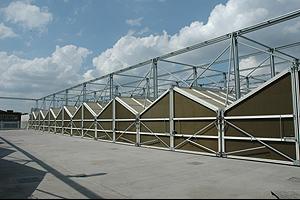
The NLWA also revealed that LondonWaste, owned by NLWA and SITA, has “committed to enclose its maturation pads ” at Edmonton in order to combat the odour issues it experienced this time last year”.
Mr Waters explained: “We have only had two odour complaints in 2007 and our compost was certified as PAS100 compliant earlier in the year” (see letsrecycle.com story).
The planning application was submitted in February 2007 and LondonWaste is hoping that permission will be granted in July and construction work will begin immediately.


Subscribe for free