



Due to the increasing number of compostable’ packaging and plastics products being developed, the association has teamed up with Belgian certification specialist AIB Vinotte to develop the scheme. It sets out the criteria packaging needs to meet in order to be deemed home compostable and measures products against them.
 Four tests may need to be completed in order to gain accreditaion. These are: biodegradation; disintegration; eco toxicity and chemical analysis. The disintegration test requires that at least 90% of a product fragments within nine months.
Interested companies need to contact AfOR, submit an application form and provide samples for testing. The certification process takes two-to-three weeks, once all documentations, including test reports, are in place.
Uptake
The scheme is expected to boost the amount of packaging which is composted at home, helping to divert material from landfill. This is particularly important where sufficient alternative industrial facilities and collection routes are not currently in place. A considerable uptake in the amount of carrier and caddy liner bags which become Home Compostable certified is also now anticipated.
For some bio-based materials the industrially compostable’ route is possible. The industrially compostable’ standard EN 13432 has been established in Europe since 2000 and can be claimed for packaging products that meet its requirements. However, this standard’s biodegradation test uses laboratory-scale composting conditions that are equivalent to industrial conditions rather than home composting ones.
With millions of UK households home composting and with industrially compostable’ packaging and products not yet widely accepted at commercial composting facilities, this provides opportunity for appropriate types of bio-based products to be developed as Home Compostable’.
Jeremy Jacobs, AfOR’s managing director, said: “We have responded to calls for the development of a UK based certification scheme for Home Compostable’ packaging and products. Our new partnership with AIB Vinotte4 in Belgium means that this new scheme uses the same home compostable’ criteria established by our partner eight years ago and that any product certified under this scheme can also carry AIB Vinotte’s OK compost HOME’ certification mark.
AfORlast month outlined its intention tolaunchthe accreditation scheme to help ease confusion among householders (see letsrecycle.com story).
WRAP
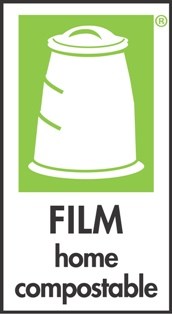
Working with the Waste & Resources Action Programme (WRAP) on development, AfOR’s Home Compostable’ certification mark is in keeping with the already established On-Pack Recycling Label Scheme, a WRAP-initiated scheme with broad buy-in amongst packaging manufacturers and retailers in the UK.
The clear home compostable’ message carried by packaging and plastic products of this kind should encourage householders to home compost them instead of putting these items in their organics, dry-recyclable or residual waste bins for collection at the kerbside.
Related Links
While Home Compostable’ packaging/plastic waste can be commercially composted, it is anticipated that the certification mark will direct this material into home composting bins, thus helping to reduce the resources, costs and carbon related impacts associated with kerbside collection, treatment and disposal of household wastes. At present, there are around three-and-a-half million home composters operating in Britain.
Further details about the new AfOR-Vinotte certification scheme for Home Compostable’ packaging and plastic products can be found on AfOR’s website.
Picture caption: The Home Compostable logo developed by AfOR and WRAP.


Subscribe for free