



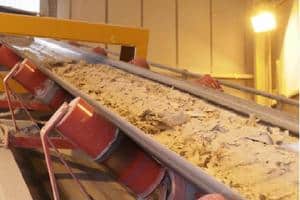
The adoption of the standard enables plasterboard recyclers to advertise that their recycled gypsum is of a high quality and will also help to instil confidence in those who buy it – thereby driving growth in existing markets and assisting in the development of new ones.
Gypsum recycled from waste plasterboard is already used in a range of applications ranging from the manufacture of new plasterboard to the production of cement and for soil treatment in agriculture.
Mike Watson, head of Mike Watson, Head of Construction at WRAP, said: “The launch of PAS109 continues our support to the plasterboard recycling sector by helping it to demonstrate quality and increase throughput. By building markets for recycled gypsum more waste plasterboard will be diverted from landfill disposal which not only represents good materials resource efficiency and provides cost savings but will also support the construction industry in its target of halving waste to landfill by 2012.”
Developed by WRAP, in collaboration with the British Standards Institution (BSI) and the industry sectors which recycle plasterboard and use gypsum – PAS109 sets out a minimum of requirements covering:
-the selection, receipt and handling of input materials;
-the specification of product grades;
-the storage, labelling, dispatch and traceability of the products; and quality management to ensure the recycled gypsum being produced is consistently fit for its intended uses.
PAS109 also supports the joint WRAP and Environment Agency project which is working on a Quality Protocol for gypsum from waste plasterboard. If adopted, a Quality Protocol would enable this gypsum to be ‘fully recovered' – if being used in certain applications – and no longer considered a waste.
The Quality Protocol is due to be released for public consultation “shortly” when it will be available from the Environment Agency website.
The publication of PAS109 comes just a few days after WRAP reported that UK plasterboard manufacturers had made “excellent progress” in diverting waste plasterboard from landfill under the voluntary Ashdown Agreement (see letsrecycle.com story).

Subscribe for free