
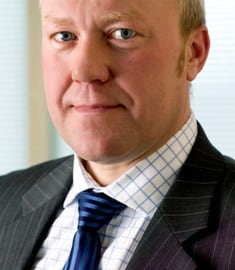
Since announcing plans to move away from its historic focus on landfill in 2010 (see letsrecycle.com story), WRG has made what Mr Taylor says is significant progress in developing the energy and recycling side of its business.
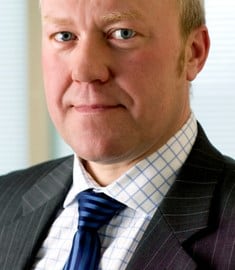
As well as securing a number of large EfW contracts, the company has made inroads in the growth of energy crops, development of wind energy and recycling.
Much of the change has been driven by Mr Taylor himself, who joined WRG from SITA UK in December 2009 (see letsrecycle.com story), as well as the takeover of WRG in 2006 by the Spanish construction and services giant FCC (see letsrecycle.com story). Mr Taylor and FCC both believe strongly that waste is a valuable resource, rather than something to be disposed of.
It is interesting to look back and see what we have achieved since last year”, says Mr Taylor. “We were around 60% landfill a couple of years ago and now we are down to 50% and that will get less and less as time goes on. What FCC is all about is infrastructure, renewable energy and providing services and being an integral part of the community and we are aligning ourselves with that.
Energy
One major area where WRG has made progress over the last year, Mr Taylor explains, is in energy.
On the energy-from-waste (EfW) front, the company started construction in May 2011 on a new EfW incinerator for Lincolnshire county council (see letsrecycle.com story) and work is also due to start later this year on the installation of a third operating line at its Eastcroft EfW plant in Nottingham (see letsrecycle.com story).
WRG has also been awarded preferred bidder status by Buckinghamshire county council for the development of a 300,000 tonne-a-year capacity EfW facility at Greatmoor, near Calvert (see letsrecycle.com story). And, it is preferred bidder for North Lincolnshire councils 27-year residual waste treatment contract (see letsrecycle.com story).
That is three fairly significant new contracts that are based around producing renewable energy explains Mr Taylor. There is a big demand for producing renewable energy in the UK and it is about looking at material and seeing how we can get value out of it.
AD
Away from EfW incineration, WRG is also progressing plans in the field of anaerobic digestion. Just last week, proposals emerged for the companys first AD facility (see letsrecycle.com story) anditis also developing a number of small-scale anaerobic digesters fed exclusively by energy crops such as maize.
 2.jpg)
To complement this drive, WRG has started growing energy crops on its landfill sites when they are restored. This follows a successful pilot which involved planting a combination of miscanthus grass and short rotation coppice at 14 landfill sites across Lincolnshire, Nottinghamshire, Humberside and Yorkshire totalling 100 hectares and attractive funding from Natural England.
Next year the company plans to plant an additional 100 hectares some of which it plans to set to the Drax Power Station in Selby. We believe we are the first waste management business of our kind to undertake an energy crop initiative of this scale, says Mr Taylor.
WRG is also using its landfill sites to harness wind energy. Two planning committee approvals have been received for the installation of two turbines each at two landfill sites in the East Riding of Yorkshire at Carnaby and Gallymoor with a total capacity of up to 6MW of electricity. And, further wind farm planning applications have been submitted for a total of 14 larger turbines at three other sites and for single turbines at five other sites, with more in the pipeline.
Recycling and collection
Away from energy, Mr Taylor explains that WRG is looking to recycle and recover energy frommaterial which is currently sent to landfill. The company is planning to develop recycling facilities at landfill sites in Scotland, Oxford and Milton Keynes to extract recyclable materials from waste and produce a fuel from the residue. This is a considerable shift. Landfill tax has done its job, says Mr Taylor.
Importantly, the company is also building up the collection side of its business to help secure material for its sites. It is particularly focusing on commercial and industrial waste, as its sister company Focsa already offers municipal waste collections.
As we have some good assets where we can provide waste treatment we want to be closer to the people who produce material, explains Mr Taylor. “We are expanding our presence in the value chain and recentlyrecruited Paul Burnell from Biffa as commercial and industrial director.
Rebrand
To reflect the new-look of the company and also the fact that both WRG and Focsa are subsidiaries of FCC, both are set to be rebranded as FCC Environment later this year (see letsrecycle.com story).
Already, WRG and Focsa share back office functions in areas such as finance and IT between their three offices in Northampton, Rochdale and Doncaster.
Our customer base has been traditionally municipalities and waste carriers and we are best known as landfill operators, says Mr Taylor. Everything we will do in the next few years is about changing that and providing integrated services for communities what FCC is all about. So externally the rebrand lets people know about our linkage to FCC, the strength that gives us and also that we are not the business that we were before.
This is the final piece of the jigsaw that says we are just one company with common aims and goals which is part of a big company.

Register for free to comment