

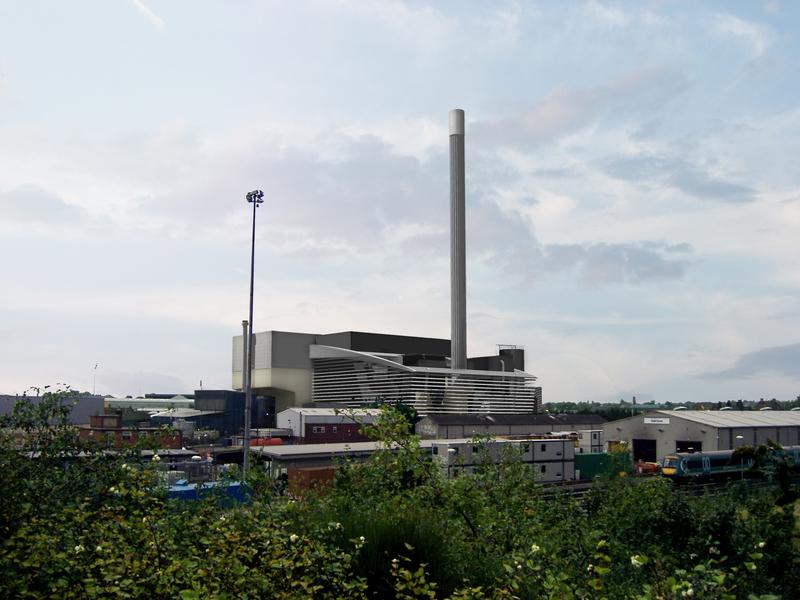
Ms Blears' decision on Friday (February 13) means that a third line can now be added to the plant, increasing its capacity by 100,000 tonnes-a-year to 260,000 tonnes-a-year.
“This has been a long planning process and we have worked hard to deliver the best possible scheme for Nottingham,” he added.
The approval comes almost two and a half years after Nottingham city council refused to approve the plans due to concerns over the impact they would have on the regeneration of the surrounding area (see letsrecycle.com story).
Following the city's council's original decision, WRG re-submitted the expansion plans in August 2007, before submitting a planning appeal in December 2007 when the council failed to make a decision on the application.
The final say on whether or not the plans were given the go-ahead was assumed by Ms Blears after a public inquiry began in September 2008.
Controversial
The proposals have proved controversial locally, with the establishment of a local anti-incinerator campaign, Nottingham Against Incineration and Landfill (NAIL).
The group has claimed that the expansion will lead to increased emissions and traffic, and called for an emphasis on recycling and composting over incineration.
But, Mr Asquith claimed that the expanded facility would contribute to reducing the region's use of landfill, as well as offering renewable energy benefits.
“This decision will allow Eastcroft to deal with an extra 100,000 tonnes of waste every year, significantly reducing our reliance on landfill, helping the fight against climate change and generating more renewable energy for the benefit of the city,” he said.
“It will also help the city council to expand the existing community district heating scheme as more energy can be made available when the third line is operational,” he added.


Register for free to comment