


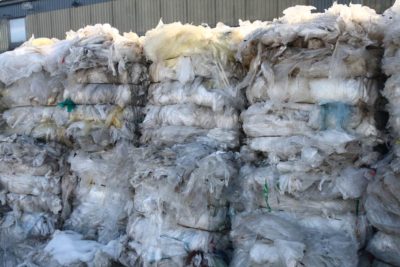
The company, which was established in 2006 by former BPI director Chris Smith had sorted and sold mixed plastic polystyrene, polypropylene and polyethylene at its facility in Staffordshire, handling in excess of 20,000 tonnes of material per year.
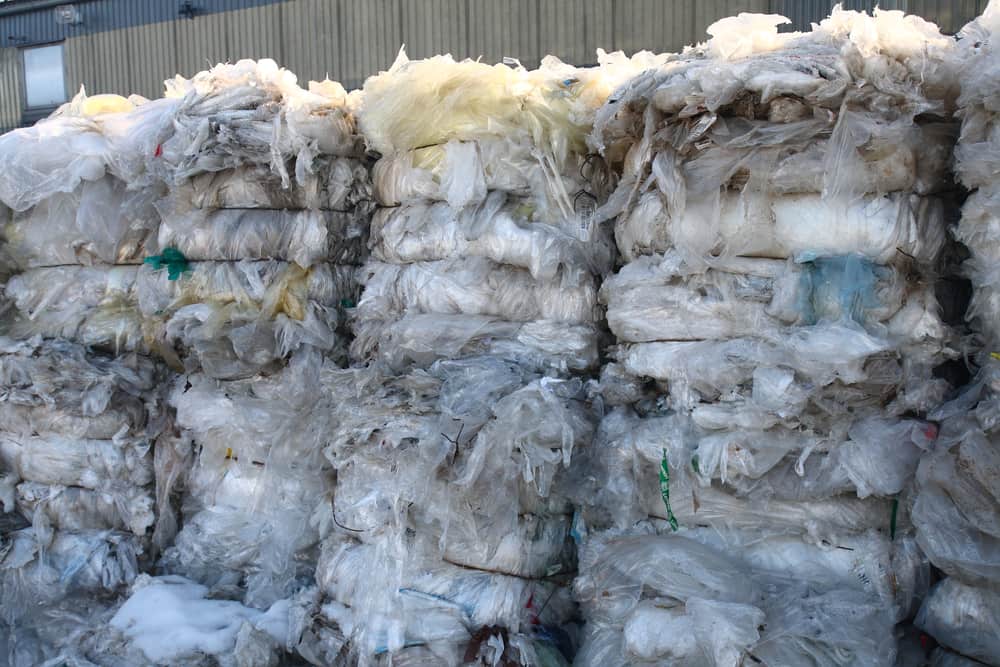
Mr Smith holds 42.5% of the shares in What-A-Waste – alongside another major shareholder Ming Yuan Li who has strong ties to the UK plastics recycling sector through his roles as company secretary at Manchester-based 99p Recycling and as a director at Leopard Recycling.
Mr Smith declined to comment when contacted by letsrecycle.com. Mr Li told letsrecycle.com that he had not had any control over the running of What-A-Waste through his role as shareholder, and as such had not been consulted on the decision to appoint administrators. He added that he is likely to lose money both as a shareholder, as will his companies 99p Recycling and Leopard Recycling, which are both creditors of What-A-Waste.
A number of suppliers of plastic waste may lose out as a result of the company entering administration, a decision which was finalised at a board meeting on August 3.
Paul Goddard and Carl Stuart Jackson of restructuring and insolvency specialist Quantuma have been appointed to oversee the administration of the firm.
Much of What-A-Waste’s business had involved trading in the Far East, with sources suggesting that cash flow problems at the company had become acute in recent months due to a slowdown in trading with China.
What-A-Waste had been a beneficiary of grant funding from the Waste & Resources Action Programme (WRAP), after having received around £100,000 in funding for an investment in a shredding and granulation plant through WRAP’s European Regional Development Fund West Midlands.
Plastics market
Problems at What-A-Waste come against a backdrop of volatile trading conditions in the plastics sector since late 2014, which have seen a series of businesses enter administration. Notably these include bottle recyclers ECO Plastics and Closed Loop Recycling who were placed into administration with debts running into the millions of pounds. Both companies were bought out of administration by investors.

Redcar-based GFSL was also wound up in January with a debt of around £1.9 million.
Traders of scrap plastics are warning that economic conditions in China are having a dramatic impact on demand for material – with the price paid to suppliers of material falling.
Speaking to letsrecycle.com, one trader commented that uncertainty over the future of Chinese markets is acutely affecting exporters of scrap plastic.
“The market in China is very volatile due to the financial crisis. The main issue is that customers do not want to take orders for fear of losing money by the time the cargo arrives. Therefore they are putting in low bids to ensure they are protected.
“Customers are also struggling to sell their finished goods, which means they have high levels of stock and low cash flow. This all adds into the unstable situation.”
Prices paid for plastics scrap collected from local authorities and waste management companies are reported to be reducing in response to the difficult trading conditions. This follows a warning to local authorities on Monday (August 24) that they will have to adjust to a ‘new economic realism’ caused by the squeeze in markets (see letsrecycle.com story).


Register for free to comment