

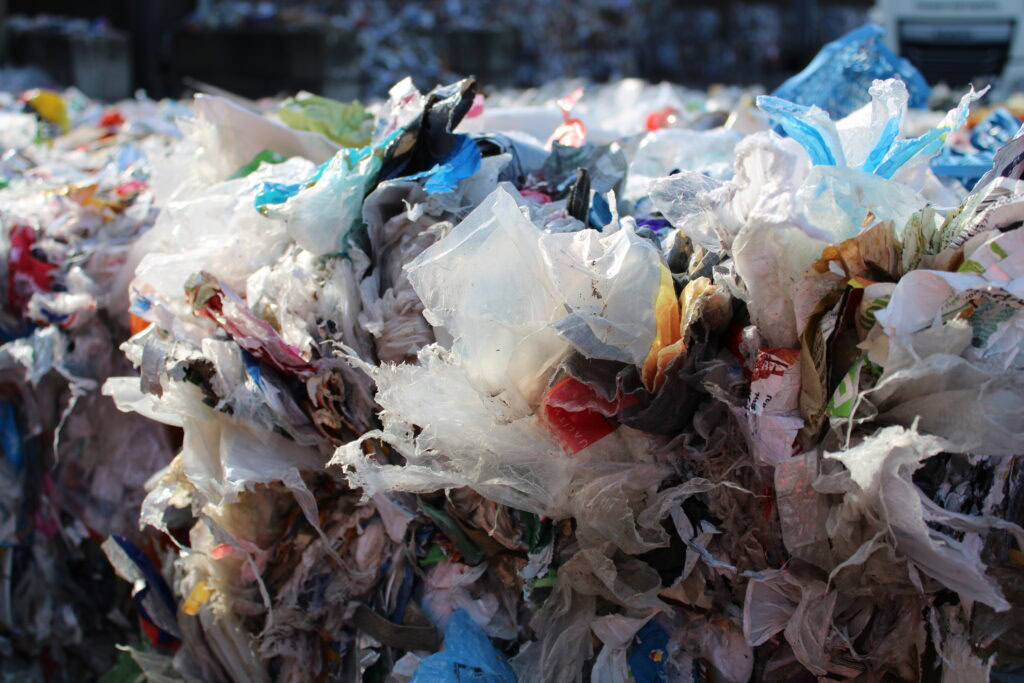
New analysis from research organisation Earth Action estimates that almost 72 million tonnes of plastic waste will leak into the environment during 2026, with waste left uncollected or dumped for the remaining 116 days of the year.
The organisation’s latest analysis found that global plastic waste from packaging, textiles and household products has increased from 202 million tonnes in 2021 to almost 227 million tonnes this year – equivalent to 27.4kg per person.
By the end of September, 85.7% of the world’s population will be living in areas that have exceeded their capacity to manage plastic waste, according to Earth Action.
This year’s date is two days later than in 2025. However, while the proportion of plastic waste being mismanaged has fallen by 2.7 percentage points over the past five years, the overall weight of pollution has increased by 3.6%.
Sarah Perreard, co-founder of Earth Action, described Plastic Overshoot Day as a “warning shot”.
She said: “Despite improvements in handling plastic waste, we are still losing, the world is making it faster than any countries recycling system can cope with.
“This is fixable, but only if we stop the plastic at source instead of chasing it downstream. Limits on production, accountability for polluters, more circular systems incorporating reuse or alternative materials, are all key elements of the change that is needed.”
The UK’s plastic waste
The UK has been categorised as an ‘Overloader’ – countries that generate high levels of plastic waste and export a significant proportion of it. While their own waste is generally well managed, they export more plastic waste than they import, potentially placing additional pressure on waste management systems in destination countries.
In 2026, the UK is expected to mismanage more than 317,000 tonnes of plastic waste and export more than 516,000 tonnes.
Earth Action estimates that more than 46,000 tonnes of microplastics and 1,368 tonnes of chemical additives will enter UK waterways this year.
Dr Roz Savage, Liberal Democrat MP for South Cotswolds, added: “Britain should be leading on this rather than waiting for others to move.
“For too long we have waited for effective government action as the evidence on the impact of plastic pollution has mounted; protecting our environment and protecting our health are the same task, the time for change is now.”
Reducing plastic pollution
Earth Action said these figures demonstrate that improvements in waste management alone are not enough to address the growing volume of plastic being produced.
The organisation has identified four measures for countries to reduce plastic pollution: cutting plastic use at source, strengthening waste management, building circular systems and holding polluters accountable.
Plastic Overshoot Day comes as negotiations on a Global Plastics Treaty remain unresolved after four years of negotiations.
Heads of delegation are due to meet in Bangkok at the end of September, although formal negotiations are not expected to resume until INC-5.4 in March 2027.

Register for free to comment