


The warning was delivered at a session on the global trade in used clothing and textiles at the BIR’s annual Convention and Exhibition in Berlin last week (31 May – 1 June), where delegates heard of disagreements on the status of the used clothing trade.
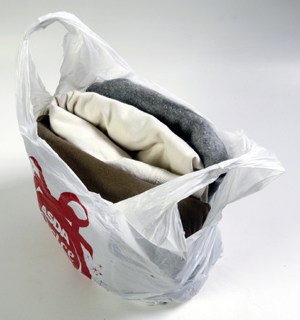
While some consider used clothing to be a ‘product’ generated through sorting operations and recognised market specifications, others notably the East African Community (EAC), continued to regard used clothing in effect as ‘dumping’ of products and consequently a threat to new clothing production. This view has given rise to calls in some parts of the world for a ban on used clothing imports.
At a meeting on an EAC proposal to phase out imports of used textiles and footwear by 2019, BIR Textiles Division president, Mehdi Zerroug, of Framimex in France, said: “Second-hand clothing is a product and new clothing is a product – this needs to be understood.”
EAC
The EAC comprises six countries, namely: Uganda, Kenya, Tanzania, Rwanda, Burundi and South Sudan.
Guest speaker Jalia Nabukalu Packwood, business development officer at Bangor University’s Sustainability Lab in the UK, explained that used textiles traders number in the many tens of thousands in places such as Uganda and Kenya.
The convention heard that more than 80% of all clothing purchases in Uganda were used clothes, while Kenya collected US$ 54 million in tariffs on used clothing imports in 2013 alone.
But despite the potential social and economic benefits derived from used clothing imports, EAC leaders consider the trade to be a threat to their plans to develop the local textiles manufacturing sector and to grow high-value jobs, Ms Packwood noted. East African nations also want to “increase the taxable base” given that people engaged in the second-hand clothing trade are “not paying that much tax”, she said.
Win-win
The widespread perception in EAC countries was that used clothing imports represented “dumping.” Ms Packwood argued it was important to change this mind-set by emphasising the benefits of the trade.
She called on exporters to the region to develop “win-win” strategies that took account of the needs and goals of EAC countries.
US textile recyclers, represented by the Secondary Materials and Recycled Textiles Association (SMART) have called for collaboration with BIR in response to the proposed EAC import ban.

Register for free to comment