


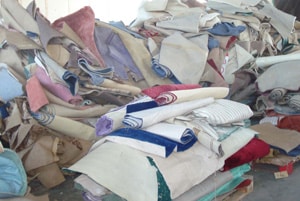
This represents a 6.5 percentage point increase on the 2010 figures which saw 10% of material diverted from landfill (see letsrecycle.com story).

CRUK is an industry body working to increase carpet recycling rates in the UK. Its members include organisations from all areas of the carpet supply chain including material suppliers, distributors, retailers and recyclers.
In July 2010 CRUK set a landfill diversion target of 25% by 2015 (see letsrecycle.com story) and following the release of the latest figures the industry body said that it remains positive that the target will be met.
Achievement
Commenting on the figures, Laurance Bird, director of CRUK, said: Its a fantastic achievement and testament to the on-going commitment and consistent efforts of all throughout the supply chain to make carpet recycling and diversion of this bulky waste from landfill a positive reality.
CRUK reports that of the 66,000 tonnes diverted, 32,000 were sent for reuse and recycling and 34,000 tonnes was sent for energy recovery, mainly in cement kilns.
The proportion of carpet sent for recycling has risen from 33% in 2010 to 48% in 2011. Mr Bird said this was due to the increase in the development of outlets for the material for example carpet fibres and equestrian felts.
Facility
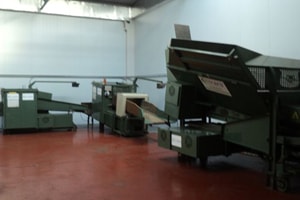
CRUKs members are continuing their work to increase recycling within the sector as on February 13 Econpro WDS, the manufacturer of recycled infrastructure products, opened a first-of-its-kind carpet recycling plant in Upton on the Wirral, near Merseyside.
Econpros 300,000 dedicated carpet recycling plant has the capacity to process 10,000 tonnes of carpet every year. It uses size reduction technology to process carpet and bitumen-backed carpet tiles before sending it to be used in energy recovery and use in the cement industry.
The plant takes the carpet and processes it through a guillotine-like machine which reduces it into 30mm chips.
Phil Sutton, Econpro director, said: We have a spot cutting machine, like a guillotine, which cuts it into chips and gives us a considerable throughput.
Mr Sutton explained that normal carpet shredders are unable to process bitumen backed tiles because of bitumens low melting point. The machines cause the bitumen to melt which then jams the machine however the guillotine-like technology used at the Econpro facility prevents this.
Contract
The carpet comes from contracts with local businesses and tradesmen often from post-industrial and post-consumer sources, including waste from take back and reuse operations.
However Mr Sutton said he is looking for the nearby local authorities and other businesses to get involved. We need everyone to take advantage of the facility if we are to help divert waste from landfill.

Register for free to comment