


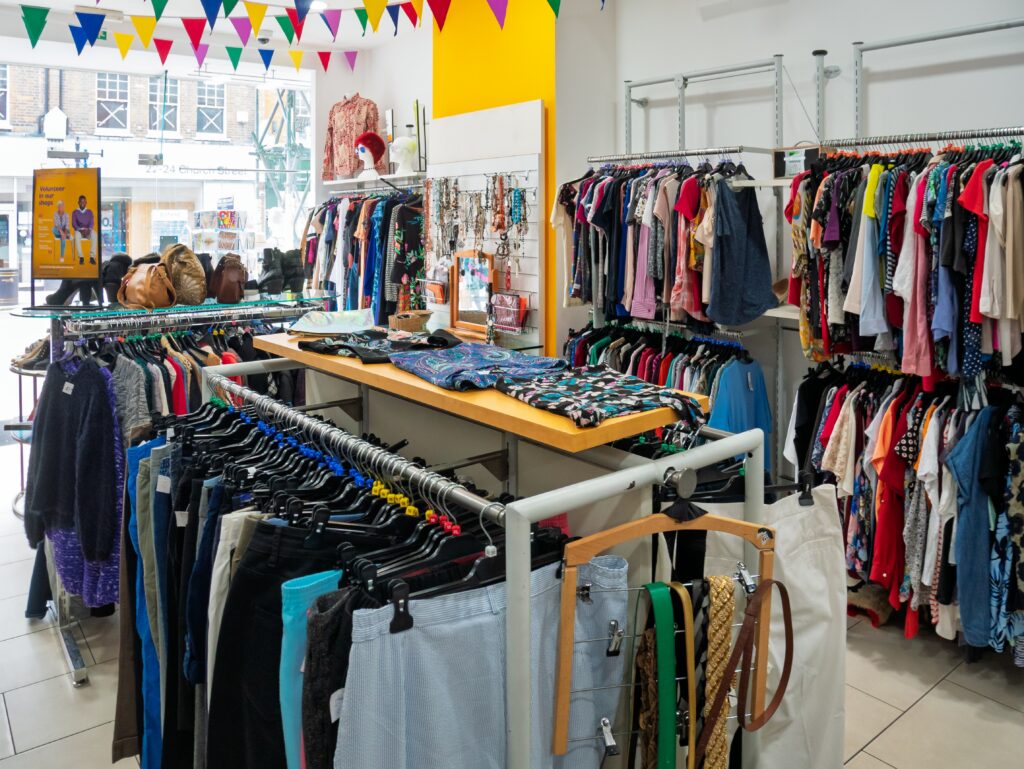
The Textiles Collections System Transition Programme aims to keep more unwanted textiles out of residual waste and dry mixed recycling, retain their value through reuse and improve the supply of materials for fibre-to-fibre recycling.
The environmental action NGO has published the first output of the programme, Transformative Practice in Textiles Collection, which identifies existing good practice, opportunities and potential solutions to improve collection systems.
With investment from Next, Primark and Tesco, the programme brings together brands and stakeholders across the textiles supply chain to develop a financially sustainable approach to collections.
WRAP said the programme would now move into a practical co-design phase, including a series of stakeholder workshops to develop a “Co-designed Programme for Impact”. The resulting blueprint is due to be published in spring 2027.
Catherine David, chief executive of WRAP, commented: “Transforming textile collections is an industry-wide challenge that no organisation can solve alone.
“By investing in this programme, Next, Primark and Tesco are showing the leadership needed to move from ambition to action and help build a system that works for the whole sector.”
The programme is guided by three core pillars:
- Maximising citizen engagement and participation: Encouraging better donation and disposal decisions by making textile collections simple, accessible and rewarding.
- Creating a fair and sustainable system: Developing a fair, transparent and financially sustainable model that works for all actors across the value chain.
- Unlocking fibre-to-fibre recycling at scale: Improving feedstock quality and lowering operational costs to support the commercial viability of fibre-to-fibre recycling.
The programme is intended to complement WRAP’s UK Textiles Pact, which focuses on wider system changes through circular product design, greater durability, circular business models and reducing environmental impacts across the textiles value chain.
Textile collection challenges
WRAP’s report highlighted the scale of the challenge facing the UK collection system, estimating that 1.45 million tonnes of post-consumer textiles are generated annually, equivalent to around 21kg per person.
According to the report, almost half (49%) of these textiles are disposed of in residual waste. Of the 650,000 tonnes collected, 41% circulated through UK resale networks, while 65% of collected volumes are exported for reuse, sorting or recycling. The report noted that these figures overlap because textiles can pass through more than one route.
The report also identified limited domestic recycling markets and the high cost of collecting and processing non-reusable textiles. It estimated a net loss of £426 per tonne for collecting and processing this material.
The financial pressures could threaten existing collection services, with the report warning that a potential system collapse could increase local authority textile disposal costs from £73 million to £400 million by 2035.

Register for free to comment