

This was the message from the Textile Recycling Association (TRA) at the All-Party Parliamentary Sustainable Resource Group’s (APSRG’s) session on secondary materials markets at Westminster yesterday.
Speaking to industry delegates, TRA chair Alan Wheeler argued that while the Environment Agency was right not to define textiles as ‘waste’ – it meant the sector was not exposed to acceptable levels of scrutiny.
‘Regime’
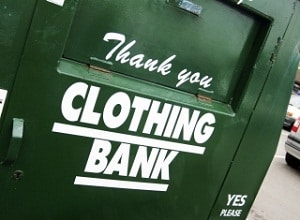
He said: “I would suggest that we need some kind of licensing regime. You can set up at a cash for clothing shop or textile bank collection without a licence because the EA does not consider it as waste.
“I don’t want it to be considered as waste, but we need something equivalent to the Metal Waste Traders Act [ed: Scrap Metal Dealers Act] or a voluntary agreement on how operators should operate. Help us pursue the people who are breaking the law.”
He added that too many councils were now terminating long-term contracts with reliable textile recyclers to chase a higher price for material from less scrupulous collectors. He said: “We are looking at establishing contract clauses that local authorities can follow to solve their own risks.”
Market
Mr Wheeler went on to outline the issues facing both textile bank and charity shop textile collectors in a deteriorating marketplace.
He claimed that the value of used clothing from charity shops has dropped 50% since 2013, mainly due to global factors such as the strength of the pound, and political instability across parts of Africa and tensions over Ukraine.
He said: “The African countries have always been prepared to pay more for British clothes. But now they are saying why should we pay £200 more for British goods than clothing from our continental counterparts?”
Mr Wheeler believes extended producer responsibility is needed to boost the used clothing market, which is at its lowest value in ten years.
“Collections have doubled in France since extended producer responsibility was implemented. In the Nordic countries they have commissioned research into EPR and mapped textile flows,” he added.
Funding options for textile recycling are currently being considered in Wales, where the Welsh Government has invested into WRAP Cymru’s Sustainable Products Programme (see letsrecycle.com story). The charity will present its proposals to the Welsh Government in the coming months.

Register for free to comment