

The export of waste wood from the UK to the continent for use as fuel is expanding “very rapidly” and could account for up to 500,000 tonnes of material next year, according to a leading expert in the field.
Toby Beadle, technical advisor for the Wood Recyclers' Association, told its quarterly meeting in Birmingham yesterday (November 24) that more and more wood was being sent to Europe and Scandinavia from ports around the UK.
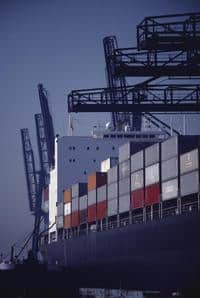
Dorset-based organics recycling firm Eco Sustainable Solutions is one company which is already exporting significant quantities of wood to the continent (see letsrecycle.com story) and other companies such as Boomeco are offering to ship lower-grade wood behalf of recycling companies and councils (see letsrecycle.com story).
Mr Beadle, who is fuels consultant for biomass trader Stobart Biomass Products which is a major exporter of waste wood (see letsrecycle.com story), said: “Exports, anticipating biomass start-ups in 2011-13, are expanding very rapidly. It is leading to competition and in some areas gate fees are getting lower. The volume next year could be as high as 500,000 tonnes.”
Mr Beadle said that the trend towards export had been being driven by delays and difficulties in getting domestic biomass plants up and running. At the moment, he said that he only knew of two large-scale plants which would use waste wood as their primary fuel which would come online in the next two years.
These are Dalkia's £40 million plant which is nearing completion in Chilton near Durham and RWE's 400,000 tonne-per-year plant in Markinch, Scotland.
Other than this, he said that the trend was towards developing smaller, publicly funded plants centring around heat, which were only interested in souring grade A recovered wood as fuel – which recyclers tended to use to produce products such as animal bedding and therefore provided little benefit to the industry.
Difficulties in getting larger plants built included getting funding for projects, ongoing uncertainty over the grandfathering under the Renewables Obligation – which is due to be reviewed in 2013 – and uncertainty over the Renewable Heat Incentive were all contributing to the problems, he explained.
TFS
The [export] volume next year could be as high as 500,000 tonnes
Toby Beadle, Stobart Biomass Products
While exports markets provided an outlet for recovered wood from the UK, Mr Beadle said that it also presented a couple of problems. Firstly, he said that it could not necessarily be relied on for the long term and secondly, he said that the Transfrontier Shipment of Waste Regulations 1994 continued to present a “major obstacle”.
Under the regulations, no waste can be transported out of the UK without a substantial financial guarantee of bond in case it is rejected abroad and needs to be repatriated. This, he said, could sometimes amount to more than £1 million in the case of recovered wood which was a substantial sum and effectively excluded some smaller players from the market.
Despite efforts by the Environment Agency and WRAP to redefine recovered wood waste as a product through the Quality Protocol project, Mr Beadle said he expected this problem to continue – as there would be no guarantee that the material would not still be classed as a waste by the receiving country.
Sustainability Criteria
On a more positive note, Mr Beadle updated WRA members on draft changes to the Renewables Obligation which are set to come into force in April 2011.
The plans, launched for consultation in July, mean that biomass plant fuel operators will have to report how they score against a new sustainability criteria, which is broadly based on how much CO2 it saves. By April 2013, the standard would become a requirement in order for plant operators to claim Renewables Obligation Certificates (ROCs).
Mr Beadle explained that this was a particularly good thing for wood recyclers because all waste feedstock would automatically qualify as having met the sustainability criteria – giving it an advantage over other fuels.
However, he pointed out that this ironically has the potential to clash with the EA and WRAP work to remove the waste label from recovered wood through the Quality Protocol process, commenting: “We have spent such a long time getting our products classed as a non-waste and now we want it to be waste so it escapes the sustainability criteria.”


Register for free to comment