
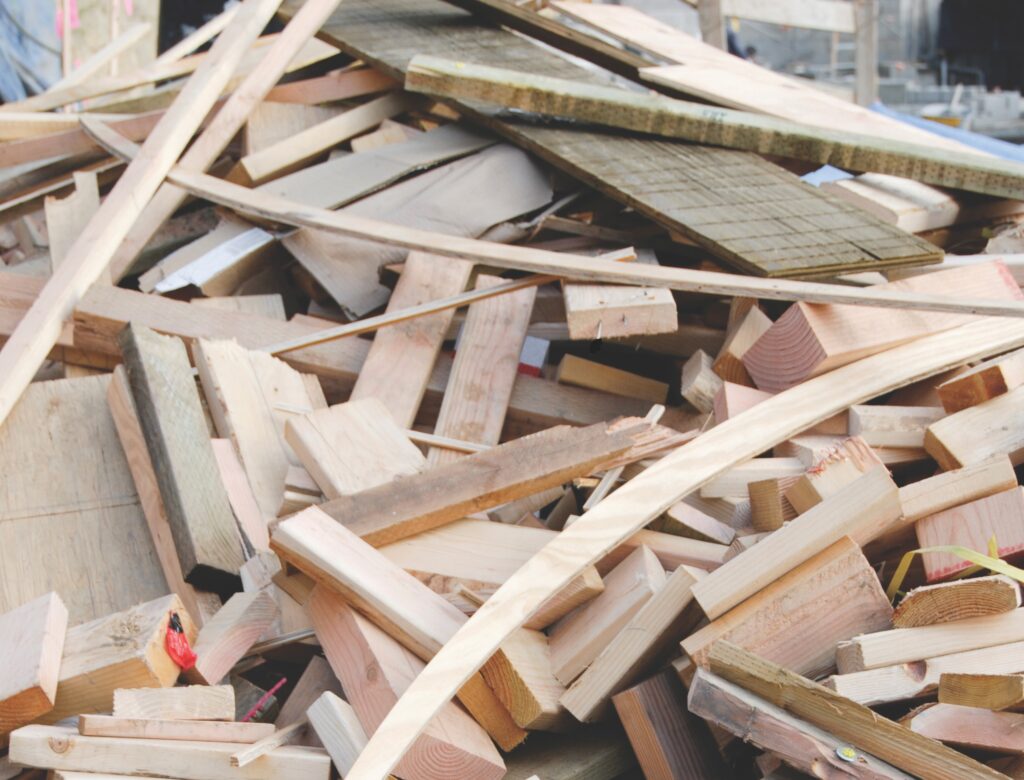
Although conditions have improved since the “unprecedented” disruption experienced in 2025, the market has yet to fully recover, with elevated volumes continuing to be reported across the country.
The situation has forced some wood recyclers to restrict the volumes of material they accept and carefully manage stock levels as storage capacity comes under increasing pressure.
This has made it more difficult for some suppliers to find suitable outlets for their waste wood and contributed to upward pressure on gate fees.
Continued oversupply
The current market imbalance stems from disruption in 2025, when unplanned outages and planned maintenance at major biomass and panel board facilities reduced demand for waste wood, leading to a significant build-up of stocks.
Demand improved over the winter, but increasing waste wood arisings and seasonal downtime at end-use facilities saw volumes rise again during summer 2026.
The dry summer has also reduced the moisture content of waste wood, meaning both the biomass and panel board sectors require less material to meet demand.
While stock levels are gradually declining, they remain well above normal levels in many areas, with the market continuing to feel the effects of an extended period of oversupply.
Julia Turner, Executive Director of the WRA, said: “While conditions are better than they were last year, there remains more material in the market than normal and outlet capacity remains tight.
“Many recyclers are working hard to keep material moving, but high stock levels mean some sites continue to restrict intake, which can make it more difficult for those seeking outlets for their waste wood.”
Focus on waste wood quality
The continued market pressure comes as wood recyclers face rising operational costs, including higher fuel prices and additional reporting requirements associated with Digital Waste Tracking.
Against this backdrop, the WRA is encouraging organisations producing waste wood to segregate material wherever possible and prioritise quality to help secure outlets.
Turner added: “With so much waste wood about, contaminant-free material meeting end-market specifications will have access to the widest range of outlets.
“Good segregation practices can help waste wood move more efficiently through the supply chain.”
The association is also advising businesses facing storage pressures to contact their local regulatory officer.
In England, businesses can apply for additional waste storage allowances under the Environment Agency’s Regulatory Position Statement (RPS) 361.
The WRA said it would continue to monitor market conditions and work with regulators across the UK to support the sector.

Register for free to comment