
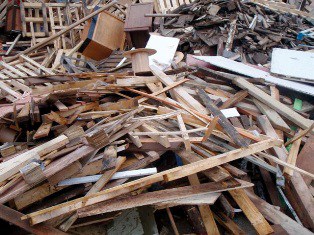
The plant will be located on a site of the former RAF airfield at Pollington near Leeds and will burn 360,000 tonne of waste wood a year and produce 53MW of electricity. It is the second large-scale Dalkia biomass plant to receive planning approval in the UK, in addition to the companys biomass plant in Chilton, County Durham, which became operational in October 2011 (see letsrecycle.com story).
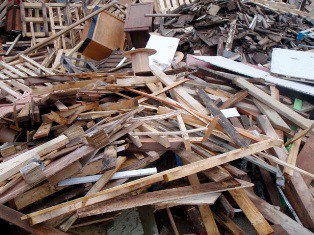
Dalkia is the sister company of waste management company Veolia Environmental Services, meaning that some of the feedstock for the plant will come from Veolia as well as Dalkias existing supply networks. A spokesman for the company told letsrecycle.com that all feedstock would be locally sourced.
Waste wood will be delivered to the site via the nearby Aire and Calder Navigation Canal, meaning that road traffic movements will be kept to a minimum. It will then be processed into pellets at a facility already in operation at the site before being used in the biomass plant. The plant will create around 200 jobs during construction and 135 during operation.
Consent
The approval for the plant means that the number of new power stations given consent in England and Wales this year has reached fifteen, the highest ever since the Electricity Act came into force in 1989.
Charles Hendry, Minister of State for Energy, said: When it comes to big new power station projects, investors and communities need certainty. I am delighted that this project marks a new record for granting consent decisions.
It has been a priority for this administration to remove the backlog in planning applications, to demonstrate our commitment to economic growth. A record number of decisions shows that we have delivered on this, helping ensure our long-term energy security and creating jobs.
This new waste wood plant in Yorkshire will not only enhance our energy security and reduce waste wood to landfill; it will create an estimated 200 construction and 135 operational jobs and give a real boost to the local economy.
Work on the Pollington biomass plant will begin soon and it is expected to take three years to build. It is one of a number of biomass plants which Dalkia is hoping to develop over the next few years across the UK.

Register for free to comment