

Two of the three councils jointly procuring ‘Project Transform' waste PFI have today (October 1) cast major doubts over the future of the project by revealing they are no longer committed to developing a new energy-from-waste incinerator in the West Midlands.
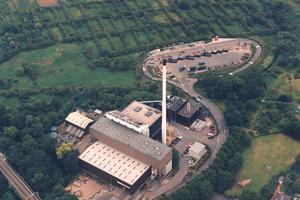
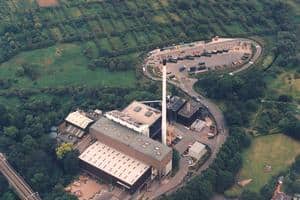
Expert engineers were commissioned by Coventry city council to investigate the potential for extending the life of the existing facility after concerns were raised about the cost involved in the Project Transform project.
The council, which has spent £640,000 on developing the new plant to date, claims it would save itself £4.5 million per year from 2016 if it opts to make use of the existing plant as opposed to developing a new facility.
Councillor Lindsley Harvard, cabinet member for city services, said: “Now the engineers' report has confirmed that the existing plant is fit for purpose for the next 30 years, as long as we continue to maintain it properly. In these challenging economic times I'm pleased we are able to recommend pulling the plug on the project.”
And, while Coventry acknowledged this would potentially spell the end for a new-from-waste incinerator being developed under Project Transform, it also said still seek to work with Warwickshire and Solihull to manage waste disposal collectively.
Meanwhile, Solihull is set to recommend that it withdraws from the project at a meeting on October 12. Speaking to letsrecycle.com, Cllr Tim Hodgson, cabinet member for environment, said that the local authority had opted to assess its involvement in the partnership following the change in administration in May, when Solihull went from a Conservative-led council to a Lib-Dem/Labour coalition.
“I was always quite sceptical and a lot of councillors were quite concerned about it,” he said. “I wouldn't want to premeditate the decision that Solihull is going to make but it is going to recommend that we withdraw [from Project Transform].”
Warwickshire
In a statement issued to letsrecycle.com, Warwickshire county council expressed disappointment about Coventry and Solihull's proposed withdrawals from the project.
Cllr Alan Cockburn, portfolio holder for environment and economy, said: “We respect whatever decision Coventry and Solihull wish to take, but we are hugely disappointed that they appear to be pulling out of Project Transform.”
The council stressed it remained committed to working at a sub-regional level to handle waste. Cllr Cockburn said: “We need to find a long-term solution to the eight million tonnes of waste being created over the next 30 years and have spent large sums of money to get to this stage with the project.”
Project Transform
Project Transform was awarded £129.1 million in PFI funding in June 2009 for an Outline Business Case based on a reference technology of a 305,000 tonnes-a-year capacity energy-from-waste incinerator (see letsrecycle.com story).
Coventry is not the first member of the Project Transform partnership to toy with the idea of withdrawing from the proposal. Warwickshire voted against withdrawal in March 2010, after councillors had voiced concerns about using energy-from-waste incineration as its preferred technology (see letsrecycle.com story).
Development of the proposed energy-from-waste facility has been tempered by changes in projected waste arisings across the three West Midlands council areas. In February 2010, the original prediction of 305,000 tonnes of residual waste being generated in 2042 was down-scaled to 286,524 tonnes (see this letsrecycle.com story).

Register for free to comment