

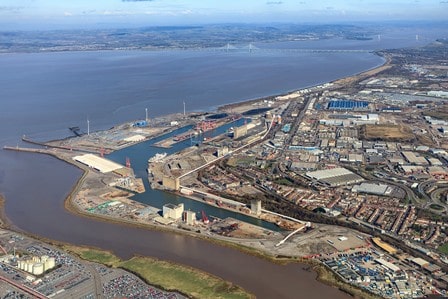
Boomeco has resumed the export of RDF through Avonmouth docks after putting measures in place to combat an infestation of flies.
Nearby residents and local politicians had previously complained about flies attracted by RDF bales stored at the docks, which led to the Environment Agency removing permission for the firm to store the bales there in June 2014 (see letsrecycle.com story).
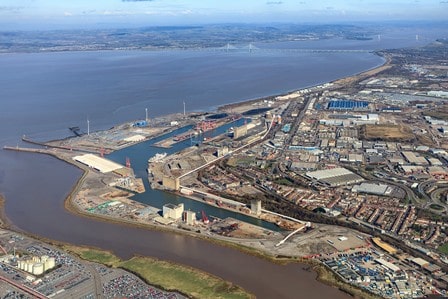
However, waste wood and alternative fuel company Boomeco is now exporting the RDF through a modified procedure, previously reported by letsrecycle.com, which sees RDF bales loaded directly from sealed lorries onto ships so as to avoid any material being stored on the dockside (see letsrecycle.com story).
The RDF was being processed by Boomeco under a contract agreed in February with North Somerset council to process 7,000-10,000 tonnes of household waste per year. With Boomeco unable to store RDF at Avonmouth, however, North Somerset was forced to landfill waste until a contingency plan was agreed (see letsrecycle.com story).
Landfill
The Environment Agency, Bristol Port Authority and Bristol city council have now all agreed to Boomecos new procedure for transporting RDF, and North Somerset council has confirmed that its household waste is no longer being sent to landfill.
‘The company has commenced direct loading of bales from sealed lorries onto ships at the dock. This direct loading of the bales is being done under strict rules set out by Bristol city council, which the Environment Agency has been consulted on.’
Environment Agency
Speaking to letsrecycle.com yesterday (August 4), a spokesman for North Somerset council said: North Somerset started delivering waste there last Wednesday following discussions with Boomeco, Environment Agency, Bristol Port and Bristol city council that effective measures are now in place to prevent future fly nuisance issues.
According to the Environment Agency, Boomeco has significantly improved their processes and the quality of the bales the firm produces at its waste facilities in nearby Hallen, which is regularly inspected by Agency officers.
The Agency said: The company has commenced direct loading of bales from sealed lorries onto ships at the dock. This direct loading of the bales is being done under strict rules set out by Bristol city council, which the Environment Agency has been consulted on.
Conditions
Avonmouth port is in the jurisdiction of Bristol city council, which as the enforcement authority said it is closely monitoring Boomecos operations and would step in to take action against the firm if there is a problem.
The Mayor of Bristol, George Ferguson, said: We have been very clear with the operator that we expect them to adhere to all the conditions laid out in the enforcement notice and that if there is any breach they could face prosecution. We will have Environmental Health officers on site, closely monitoring as the materials are transported through the docks and into the ship. We will be watching.
Among the conditions which Boomeco will be required to adhere to are:
- All bales received at the port must be fully-wrapped between 12 and 18 times in heavy-duty plastic
- Any bales arriving at the docks that are pierced or damaged are to be re-loaded onto the lorries and taken immediately off-site
- No lorries to be received on to the dock until the vessel has been berthed
- Boomeco is responsible for clearing and cleaning the complete site within two hours of the end of operations
- Boomeco is to follow strict guidance on the use of pesticides on site by a leading chemical expert
A spokesman for Bristol city council told letsrecycle.com there had been no issues so far and that the new procedure being operated by Boomeco was running as expected.
Boomeco
As well as transporting RDF directly onto ships at Avonmouth, Boomeco said it has brought in new baling equipment to improve its operations as well as drafting in world-respected entomologist Professor Moray Anderson to ensure that the firms RDF exports to Sweden are fly-free.
Boomeco managing director, Oliver Latter, who has faced heavy criticism from the local community over the fly problems, said the firm would be inviting community representatives to view Boomeco operations at regular open days.
Mr Latter said: Boomeco has now received their own specialist bale handling equipment ensuring the bales can be handled without causing damage. Working with Professor Moray Anderson, operating procedures have been changed and updated to reflect very strict standards to ensure that all bales remain sound and undamaged. All staff members have been trained and the bales are now being stored in controlled and strictly managed conditions at Boomecos Resource Recovery Facility before being exported.

Register for free to comment