

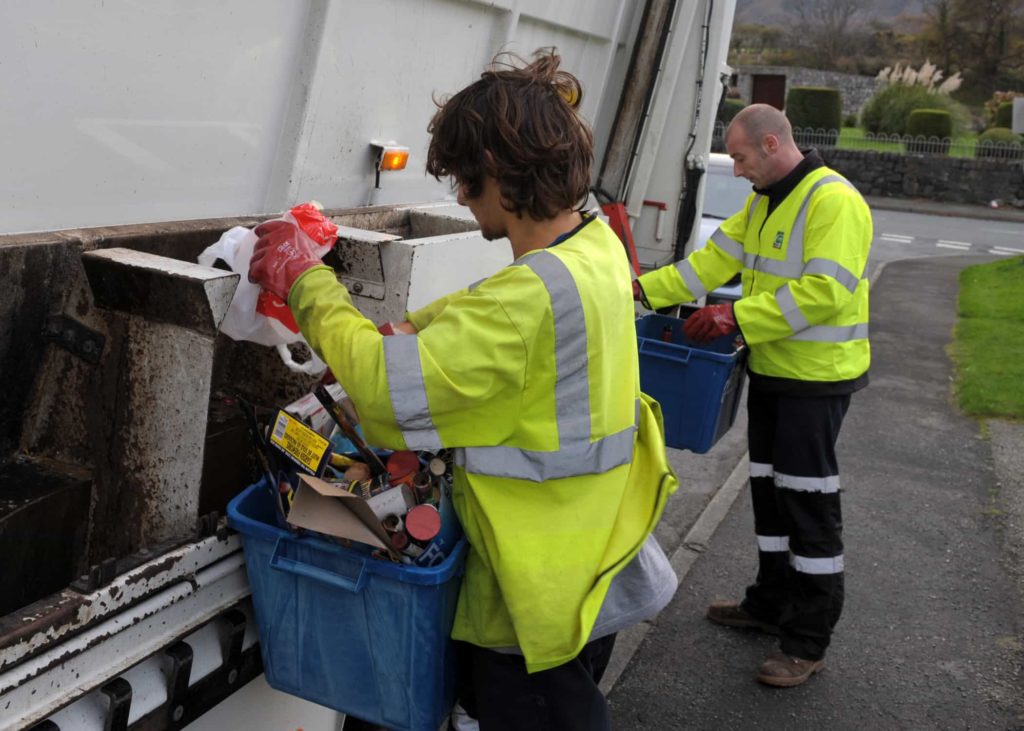
Residual household waste collections in the Welsh borough of Gwynedd could be reduced to once every three weeks in a bid to boost recycling rates.
The proposal has been floated by Gwynedd council as it attempts to meet Wales 52% statutory recycling target by 2015, and would see the county retain weekly dry recyclable and food waste collections but reduce its fortnightly residual waste service.
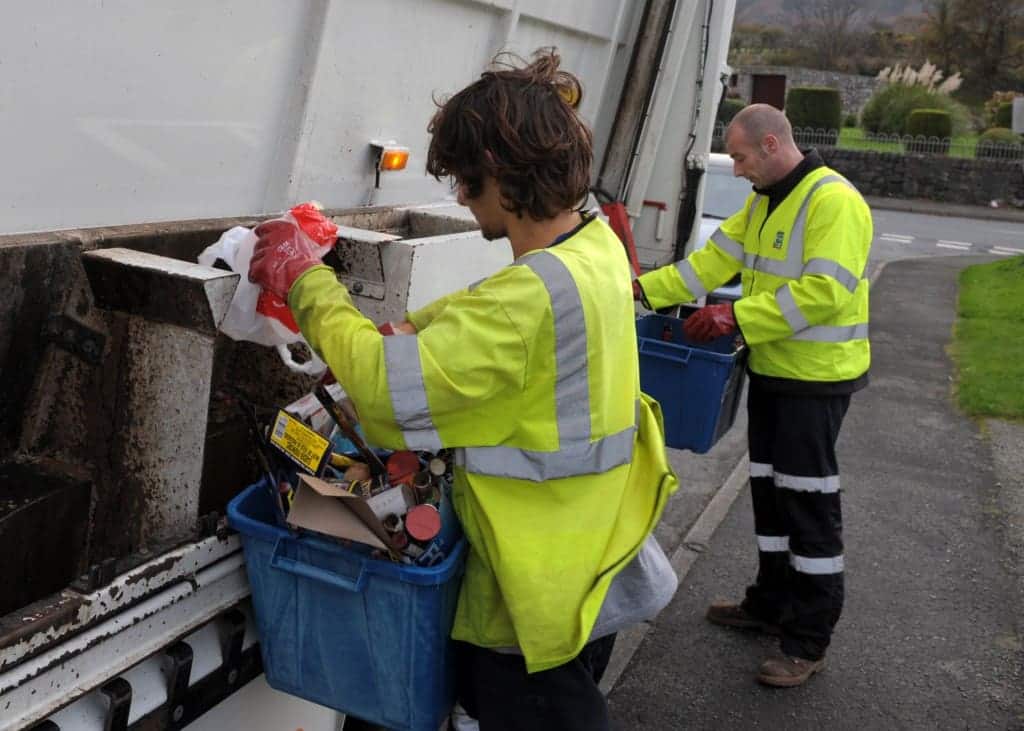
A public consultation, which has been framed as a questionnaire on the councils website, asks Gwynedd residents how often they make use of Gwynedds weekly recycling and composting service and whether the council should take steps to encourage recycling.
It goes on to ask whether collections of green wheelie bin and black bag collections every three weeks would be welcomed by householders.
If the proposals are backed by residents and brought forward by councillors, Gwynedd council would be among the first local authorities in the UK to implement a three-weekly collection service for residual waste. This follows plans by Falkirk council in Scotland to reduce its collection frequency to once every three weeks, approved last month (see letsrecycle.com story).
Cardiff city council has also consulted residents on a number of waste service options, including collecting residual waste every four weeks (see letsrecycle.com story).
The proposals come as councils in England are being encouraged to increase the frequency of their residual waste collections to a weekly service.
DCLG
The Department for Communities and Local Government issued guidance on waste collections in the form of a bin bible this month, which highlighted the benefits of councils retaining or returning to weekly residual waste collections (see letsrecycle.com story). Communities secretary Eric Pickles was also critical of the administrations in Wales and Scotland, who it was claimed were supporters of less frequent collections.
The Gwynedd recycling rate for 2012/13 stands at 51.2%, falling short of the 52% target that Wales met overall during the same year. The minimum target is set to climb to 58% by March 2016.
In November last year, Welsh minister for natural resources and food Alun Davies declared authorities would not be punished for missing targets in 2012/13 on the basis they participate in the Collaborative Change Programme, which provides councils with specialist advice on recycling (see letsrecycle.com story).
‘Failing to reach the minimum target is simply not an option as it would mean that Gwynedd council and the Gwynedd council taxpayer would have to pay massive financial penalties to the Welsh Government from as early as 2015.’
– Gareth Roberts, Gwynedd council’s cabinet member for environment
The council argues that in order to meet targets, the 50% or so Gwynedd households that do not take part in recycling must either start making full use of the service or stop throwing waste that could be easily recycled or composted.
The questionnaire closes on February 21, with all feedback likely to influence whether the council implements the changes.
Gwynedd councils cabinet member for environment, councillor Gareth Roberts said: In order to get more of us to make full use of the weekly blue box recycling service and the weekly brown food bin collection, we are considering changing the procedure for collecting household waste that cannot be recycled the green wheelie bin, or three black bin bags – from the current fortnightly collection to a collection every three weeks.
He added: Failing to reach the minimum target is simply not an option as it would mean that Gwynedd council and the Gwynedd council taxpayer would have to pay massive financial penalties to the Welsh Government from as early as 2015.
We estimate that, if our recycling and food waste composting performance continues at the current level, that Gwynedd Council would face a fine of approximately 1 million in 2015/16, and further even harsher penalties in future years.
Benefits
Commenting on the proposals, director of regeneration and sustainable development at the Welsh Local Government Association Tim Peppin told letsrecycle.com that all Welsh authorities had now moved to fortnightly residual collections, and said a three week gap could see more materials collected for recycling, such as nappies.
He said: You would expect some further benefits if councils such as Gwynedd decide to move to three-weekly residual collections. As councils edge towards the 70% statutory recycling target by 2024/25, they are going to have to look at further ways of increasing diversion from residual to recycling collections.
That might mean collecting more materials capable of being recycled that arent commonly separately collected at present, for example foil or nappies. Indeed, authorities looking at such options will be actively looking at other streams that can be collected to avoid recyclable material going into residual waste.

Register for free to comment