
Publishing a new report on glass container production, the Waste and Resources Action Programme said the industry could use more de-colourisation chemicals to allow the use of more contaminated glass.
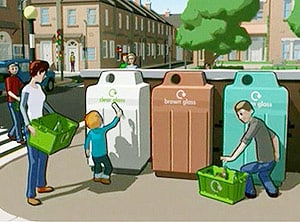 WRAP's new television campaign might promote colour separation of glass, but the organisation says recyclers should accept that this method of collection will dwindle |
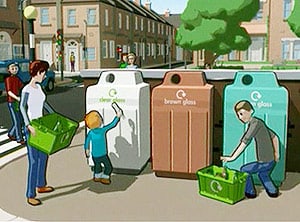
The report came as WRAP launched a new national television advertising campaign under its “Recycle Now” banner last week, specifically encouraging the recycling of glass packaging waste.
Although glass production levels are growing in the UK, the WRAP report warned that the growth will “not however be matched by a similar rise in the availability of good quality colour-sorted cullet from bring sources.”
Researchers from Glass Technology Services said in the report that the container industry market for green glass is now “saturated”, with extra demand only in amber and clear (flint) glass.
It said the industry believes it can increase the use of recycled glass from around 800,000 tonnes a year to 900,000 tonnes a year by 2008. But for that extra 100,000 tonnes of amber and flint glass to be generated from mixed glass, 280,000 tonnes of surplus green glass would also be generated.
Decolourisation
With Packaging Directive targets to be met in 2008, WRAP is suggesting a rethink on the maximum recycled content for glass. In UK furnaces the current maximums are understood to be around 90% in green and 50% in clear and amber glassmaking.
Green glass contamination is set to become the “defining issue” now in efforts to maximise the use of recycled cullet, the report said.
After 18 months of research including full manufacturing trials under the “Colourite” project”, WRAP said it had developed a sampling method to help glassmakers predict the effects of adding more de-colourisers to glassmaking “recipes”. The project has also developed a new specification for colour-contamination of processed glass.
Glass Technology Services research manager Dr Nick Kirk said: “The model will give the glass manufacturers the confidence to maximise their cullet additions and its widespread adoption by the glass industry will greatly assist the recycling opportunity for recovered glass.”
Perception
In the second part of the project, researchers from the Psychology of Design group at the University of Leeds looked into how brand owners and consumers view different shades of glass made with recycled material.
| Related links: |
The researchers found that glass manufacturers, brand owners and marketeers can have more stringent quality standards than the consumer.
WRAP’s glass technology manager, Andy Dawe explained: “Alongside the technical challenges, this over-engineering of the product has limited the opportunities to increase the use of mixed recycled glass and we hope the results will be of interest to the industry and its customers in the future when decisions about glass container colour and clarity are made.”

Register for free to comment