


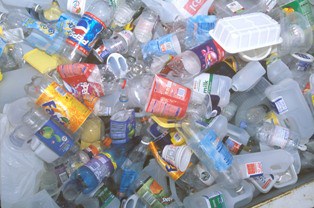
Speaking at the Committees meeting in Shanghai on May 27, Surendra Borad of Gemini Corporation NV in Belgium quoted figures from consultant Poyry which suggest that annual global consumption will leap from 15 million tonnes as recently as 2007 to 45 million tonnes by 2015. Poyry also believes that recovered plastics demand will surge to 85 million tonnes by the year 2020. It is an incredible amount, enthused Mr Borad.

These figures are backed up by a projection from CBI China that Chinese demand alone for recovered plastics could top 29 million tonnes by 2015, the meeting was told. China (including Hong Kong) is currently importing 8-9 million tonnes of plastics scrap each year while domestic collection is around 13 million tonnes, Mr Borad pointed out.
On the issue of international movements of material, Mr Borad confirmed that he had recently urged the European Commission to make a clearer distinction between illegal shipments and shipments in violation of the EU regulation.
Those in the latter category may be due to missing papers or incomplete or inaccurate paperwork or administrative mistakes, he said. The volume of illegal shipments from Europe may not be as much as it is perceived to be, he contended.
Green Fence
At the meeting, Dr Steve Wong, managing director of Fukutomi Company Ltd and President of the China Scrap Plastic Association, said that the countrys Green Fence import initiative was making life more difficult for those consumers relying on plastics scrap, forcing many to pay more for their raw material and thus impairing their competitiveness.
“[the volune of illegal shipment from Europe] may not be as much as it is perceived to be”
Surendra Borad, BIR Plastics Committee
As well as listing the types of post-consumer plastics to which a prohibition applied, he underlined that trading of import licences was forbidden while imported plastics scrap must be delivered to the factory which is eligible to import, as stated on the import licence.
According to fellow guest speaker Renwu Cai, General Manager of Guangzhou GISE-MBA New Plastics Technology Co. Ltd, the vagueness of material type in the import declaration is easily caused, not least because of the complexity of origins and applications. Green Fence was designed to set up obstacles to illegal enterprises and to provide convenience to the law-abiding, he said, but acknowledged that even these law-abiding enterprises had been hit by customs clearance delays and thus additional costs.
Among the reports submitted to the Plastics Committee meeting in Shanghai, the review of the Dutch and German markets by Peter Daalder of Daly Plastics in the Netherlands highlighted the reduction in exported volumes as a result of Chinas stricter import procedures. Michael Schipper of International Alloys Inc. noted a plastics scrap oversupply in the USA owing to Chinas Green Fence policy and a subsequent price reduction of 15% in some instances.
Related Links
Gregory Cardot of Veolia Propret spoke of the increasing number of French plastics recyclers and converters which were in receivership or bankrupt.
He added: Payment terms are not respected and delays are increasing. In contrast, the Indian market was doing rather well and offering reasonable demand, said Mr Borad.


Register for free to comment