


The company was originally lined up as the preferred bidder for the contract in late 2014, which involves the design, development and operation of a large-scale energy from waste plant to treat mixed residual waste on behalf of Edinburgh and Midlothian councils.
City of Edinburgh council’s Finance and Resources Committee is meeting on Thursday (17 March) when it is expected to give approval for the signing of the contract, ahead of a 31 March deadline for financial close of the project.
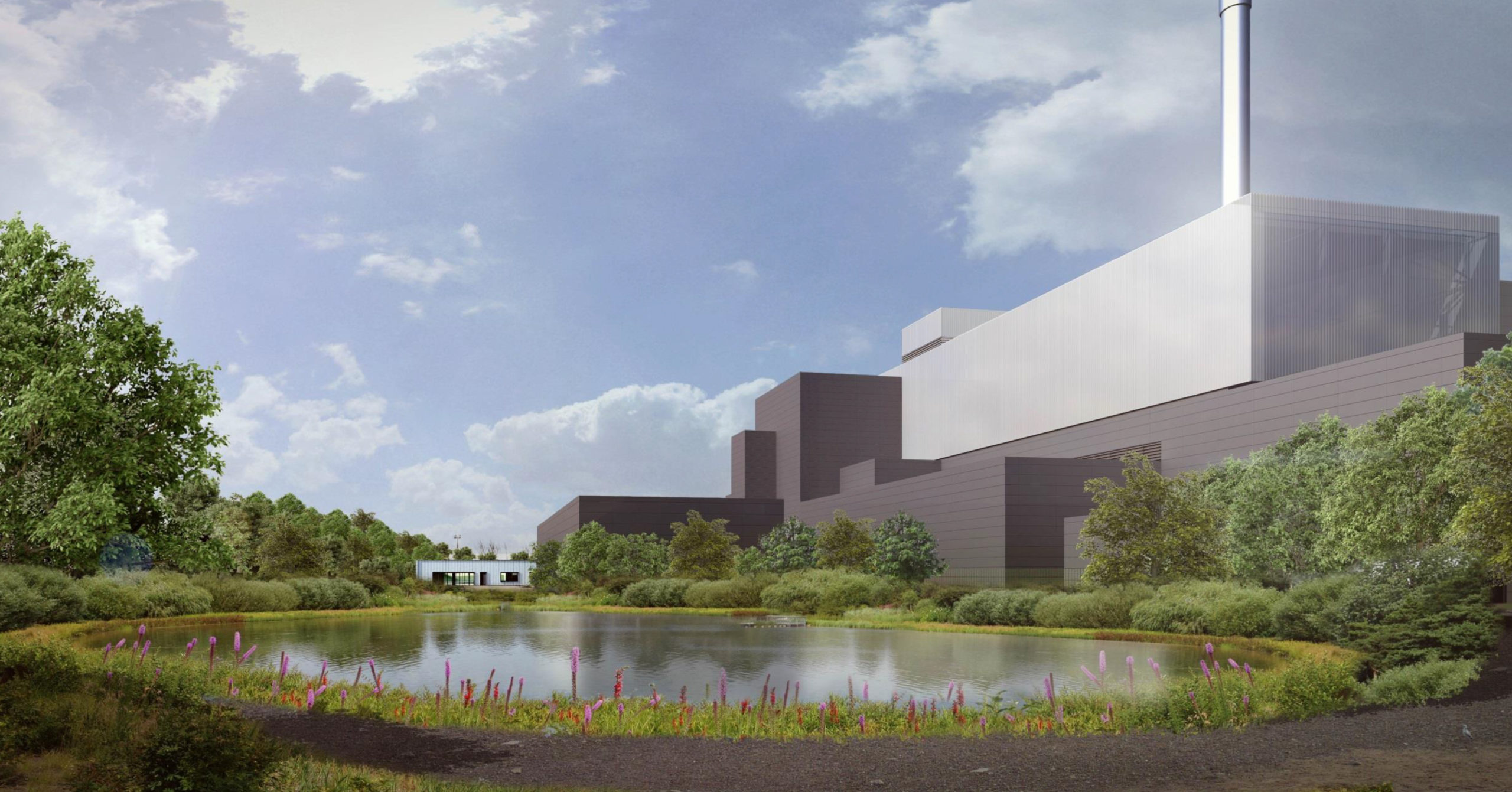
The 195,000 tonnes per year Millerhill Recycling and Energy Recovery Centre, which will be built to service the contract, was awarded planning permission by Midlothian council in September 2015 (see letsrecycle.com story).
Millerhill
Millerhill will include mechanical treatment to recover recyclables and produce solid recovered fuel (SRF), as well as a secondary energy from waste treatment process. FCC claims that the facility will support 40 jobs when operations begin at the site, which is currently scheduled for 2018.
Edinburgh council will be providing an estimated £27 million capital contribution for the project, joined by £6.8 million from Midlothian. The council’s claim that the revenue cost of funding the borrowing will be offset by the reduction in spend on landfill.
Recycling
Ahead of the meeting on Thursday, councillors have been offered an update on progress on reducing waste sent to landfill and maximising recycling in the city. The local authority currently predicts that it will achieve an end-of-year recycling rate for 2015/16 of 42.1%.
The city had targeted a 50% recycling rate by the end of 2015 but It is claimed that in order to meet this target, the tonnage of recyclable material collected would need to increase by around 19% on current volumes, equivalent to around 17,000 tonnes by the end of the financial year.
Edinburgh rolled out a new kerbside blue box and green bin service to 140,000 residents, completed at the end of 2015, described as a ‘major change’ to recycling provision in the city – replacing red and blue boxes that had previously been in place. The new system provides more capacity for the collection of commingled dry recyclables.
The council also forecasts that it will send an estimated 111,751 tonnes of residual waste to landfill throughout the year, with 14,506 tonnes diverted as refuse derived fuel.

Register for free to comment