


Boosts to the Renewable Heat Incentive (RHI) and reform of the Landfill Communities Fund, which will see more money directed towards tackling waste crime, were also among measures laid out by the Treasury with potential ramifications for the waste industry.

The spending review was published following the Chancellor’s speech to Parliament this afternoon, in which he laid out his plans for government spending over the next five years.
Day to day spending on Departments for the environment and energy are set to fall by 15% and 22% respectively.
The announcement is less drastic than provisional estimates that the Department for Environment, Food & Rural Affairs (Defra) would be required to axe its spending by 30%.
‘Streamlined’
However, Defra is still set to be ‘streamlined’ – reducing its administration budget 26% by 2019/20 in a bid to save £123 million.
The 15% savings are to be delivered through efficiencies within the department and across its network. Defra will become a more ‘digital department’ with shared back office functions and roles devolved to the local frontline.
At the same time, Defra will continue to cut regulatory red tape for businesses with a view to secure net savings of £470 million by the end of the current Parliament. Though waste sites have not been highlighted, this initiative will see farm inspections cut by 20,000 by 2019/20.
Elsewhere, the Landfill Communities Fund for 2016/17 will be set at £39.3 million – down from a total value of £59.4 million. The leftover £20 million will be allocated to the Environment Agency to address waste crime over the next five years.
The Chancellor will meanwhile lower the cap on contributions by landfill operators to the Fund, meaning operators will be able to claim a 4.1% credit against their landfill tax liability for 90% of the contributions they make.
Energy
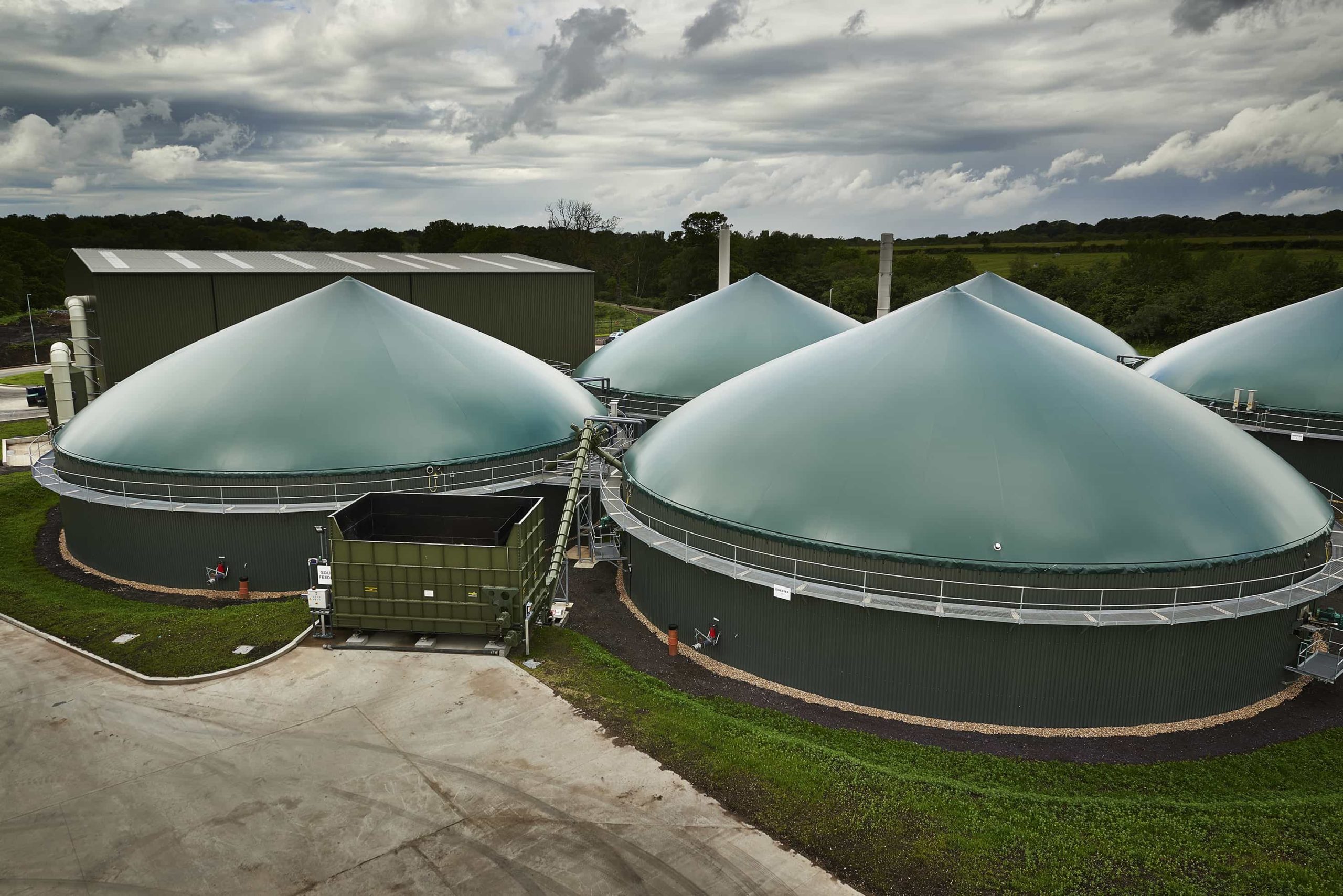
On energy, fears that Energy Secretary Amber Rudd had forgotten renewables in her policy announcement last week were allayed with a £1.15 billion injection to the Renewable Heat Incentive to be delivered by 2020/21.
The government will also double investment in the DECC’s innovation programme, meaning more commitments on seed funding for ‘promising’ new renewable energy technologies and smart grids.
However, the Renewable Energy Association (REA) today responded that the “devil will be in the detail” having voiced criticism of 12 major and proposed energy policy changes since the general election.
Dr Nina Skorupska, chief executive of the REA, said: “We welcome the government’s commitment to renewable heat and pleased they have listened to industry and our members, but the devil will be in the detail.
“Our members recognised the need to make savings and presented to Treasury and DECC how we could optimise the RHI budget. A £700m cut is large, but we look forward to working with the government on reforming this crucial area.”
Cuts

Commenting on the reforms today, the Environmental Services Association’s executive director, Jacob Hayler said: “Budget cuts will of course be challenging for those affected departments to manage, and ESA will continue to work closely with Defra, and colleagues in other departments, to ensure that we meet our shared objectives for growing a thriving waste, recycling and resource management industry.
“At the same time, ESA was very pleased to see that the government has listened to the industry’s strong representations on the need to fight waste crime, and has allocated £20m to the Environment Agency over the next five years to stamp out this blight on the sector which undermines legitimate businesses and their investments.”
‘Painful’
Ray Georgeson, chief executive, of the Resource Association, added: “Clearly the devil will be in the detail, but in what is already a smaller department of government a £100 million a year, year on year, reduction in revenue spending in Defra is significant and will be painful.
“We can only hope that whatever efficiency savings are required do not come at the expense of the need to maintain regulatory vigilance on waste crime, proper enforcement of recent regulation such as the MF Regulations or the vital work still needed to develop our resources sector and circular economy through the work of WRAP.”

Register for free to comment