



However, Mr Wheeler said there has been an increase in charity shop collections as well as kerbside collections, which suggests charities have not been impacted as a result.
The comments came at the What a Waste! event at the Museum of Science and Industry in Manchester which was co-hosted by textile recycling firm I&G Cohen and consultancy Axion Consulting.

Speakers at the event included: I&G Cohens director and managing director Phil Geller and Elliot Cohen, respectively; Axion director Roger Morton; Izzie Johnston from WRAP; Rob Cole, support manager for the Suffolk Waste Partnership (SWP); Alan Wheeler, national liaison manager for the Textile Recycling Association; and, Sander Jongerius from Textiles 4 Textiles.
Strategies
Speaking at the event Mr Wheeler highlighted the main three ways of collection textiles charity shops, textile banks and door to door collections. He added that strategies are in place to encourage councils to take advantage of the material stream through kerbside collections.
Mr Wheeler said: Strategies are in place to encourage local authorities to start textile collections and tackle the readily-available supply of clothing that is still being thrown into the bin. We have to strike a balance with charity shop collections; but its important to note that donations to charity shops have increased alongside the growth in kerbside collections, suggesting that these have had no impact on charity shop collections.
He also noted that the number of charity shops in the UK has increased over the last six years.
Partnerships
Delegates at the dedicated textile recycling seminar also heard how closer partnerships between textile recyclers, local authorities and waste management firms can help the UK divert a greater volume of textiles away from landfill. In addition, they heard how shortening the supply chain from residents to recyclers is essential to preserving quality and minimising contamination of the material.
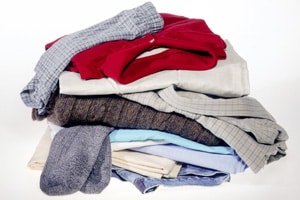
Mr Morton, said: With around 60kg of textile waste being generated per UK household every year, local authorities need to develop the most efficient solutions that ultimately benefit all. Theres an urban mine out there that will generate income that can be ploughed back into local communities.
The latest figures, according to Axion Consulting and I&G Cohen show that 350,000 tonnes of clothing are being sent to landfill in the UK each year, with a further 70,000 tonnes destined for incineration.
Separation
Earlier this year WRAP published a series of reports on textile recycling which looked at how to capture more textiles for recycling, opportunities for recycling items such as corporate workwear and carpets and mattresses, and, the business case for washing and drying contaminated textiles (see letsrecycle.com story).
Discussing the reports at the seminar, Phil Geller said: Separation at source and sorting clothing as soon as possible after collection is key to maximising value and the amount that can subsequently be reused. Keeping it clean, dry and free from contamination is vital.
Rob Cole, from SWP, gave an overview of how the Partnership – seven district councils and the county council rolled out bags which allow residents to recycle their textiles through their kerbside commingled collections. The bags are removed from the other materials in the pre-sort cabin of a materials recycling facility (MRF).
Display
There were several items on display at the event made from discarded leather and denim clothes by fashion design undergraduates at the University of Salford, which aimed to demonstrate second life opportunities for waste textiles. The items included: a waterproof coat and trousers; denim sunglasses; toys; iPad cases; and, a rocking chair. All the denim items were supplied by I&G Cohen.

Register for free to comment