

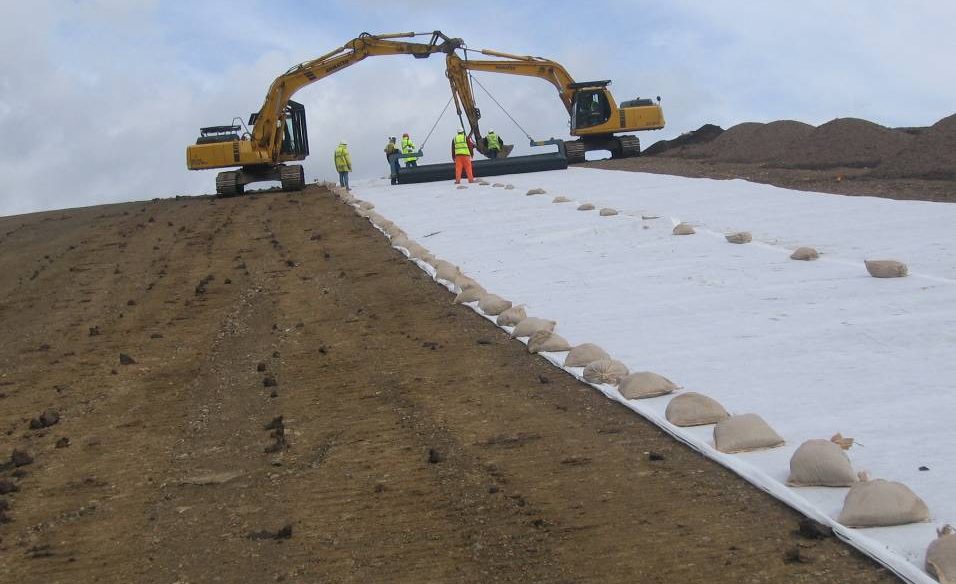
On Thursday, the Chancellor, Jeremy Hunt, is expected to announce the landfill tax rate from April 2024 for England and Northern Ireland.
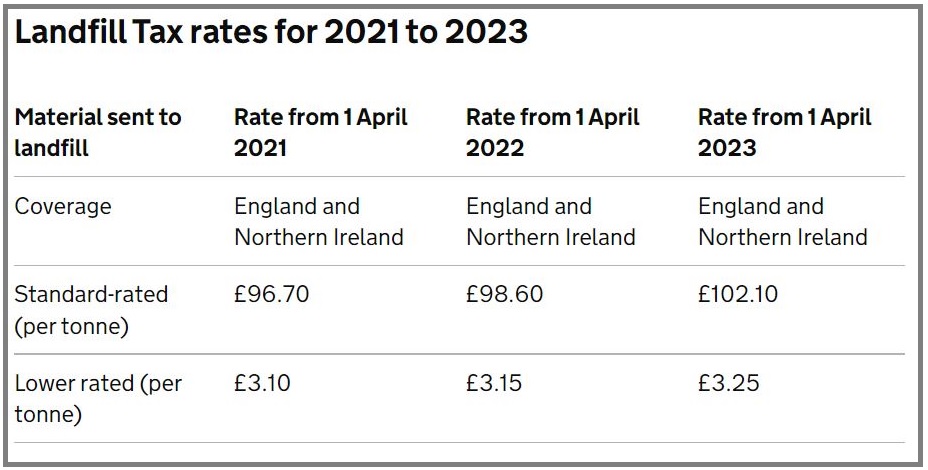
The landfill tax rates from April 2023 were set in last year’s budget; from April 2023 the tax will rise by 3.5% from the current standard rate of £98.60 to £102.10. The lower rate, which generally applies to inactive/inert material, will rise by just 10p from the current £3.15 to £3.25 from April next year.
This gap between the standard rate for ‘active’ material and the lower rate is increasing because of the impact of the government policy to increase landfill tax by the retail price index (RPI) inflation rate each year. When the tax was first introduced, the standard rate of tax was £7 and the lower rate £2 – a gap of just £5.
From 2024 the tax could rise by around 10% or even more – the Office of National Statistics calculated the RPI in September at 12.3% and it is this sort of rate that is due to be applied to the landfill tax from April 2024.
CIWM
Lee Marshall, CIWM’s policy and external affairs director, told letsrecycle.com that the differential between the standard and lower rates had “grown enormously since the tax’s inception in 1996”.

He continued: “CIWM believes that it is now time to consider closing this gap to reduce the incentive to misclassify waste and we would recommend the introduction of an escalator to the lower rate rather than any increase in the standard rate.”
Mr Marshall said he accepted that the standard rate of landfill tax had been very successful in diverting waste away from landfill. However, he reasoned that there was not the same imperative to divert lower rated materials away from landfill.
He said: “It is perhaps time to think about how to manage these wastes further up the waste hierarchy. A blanket rise to all lower rated materials would be a simple solution, but a ‘middle’ rate of tax for certain selected materials, or some materials transitioning completely to the standard rate, could be a sound and more targeted approach.”
ESA
The Environmental Services Association (ESA) said that it supports landfill tax increases in line with inflation in general.

The ESA’s executive director, Jake Hayler, explained that high inflation could push costs up at energy from waste (EfW) plants and so the landfill tax had an important part to play in maintaining the differential between treatment options.
Mr Hayler said: “The current high inflation will also put upward pressure on other residual waste management options, such as for example energy from waste, through higher labour and input costs. It is therefore important to avoid unintended consequences and to maintain certainty for operations across the sector by maintaining the existing differential between landfill and alternative treatment options.”
1996
The landfill tax was introduced in October 1996 and is charged on waste disposed of at a landfill site. The government says the tax encourages efforts to minimise the amount of waste produced and the use of non-landfill waste management options, which may include recycling, composting and recovery. It notes: “Increasing landfill tax rates in line with RPI means that the landfill tax can continue to help the government meet its environmental objectives.”
HM Treasury
There is a likelihood that local authorities and others may also have concerns about the impact of a big rise in landfill tax rates from April 2024 – along with higher costs at EfW plants where contracts are largely index-linked.
As well as these concerns there will also be fears that the higher landfill tax rate could lead to more fly-tipping. This topic is expected to feature in the Treasury’s response to its consultation on landfill tax.
The Treasury published a call for evidence on 30 November 2021, seeking views on aspects of the landfill tax to ensure it continues to support the government’s environmental objectives. This included a section and questions on the lower rate of landfill tax.
A spokesperson for HM Treasury told letsrecycle.com that, with its call for evidence having closed on 22 February, “officials are currently analysing responses and will provide an update on next steps in due course.”
Scotland and Wales
While the Treasury tax rates apply to England and Northern Ireland, traditionally Scotland and Wales have kept to the same tax levels for their versions of the landfill tax.

Register for free to comment