


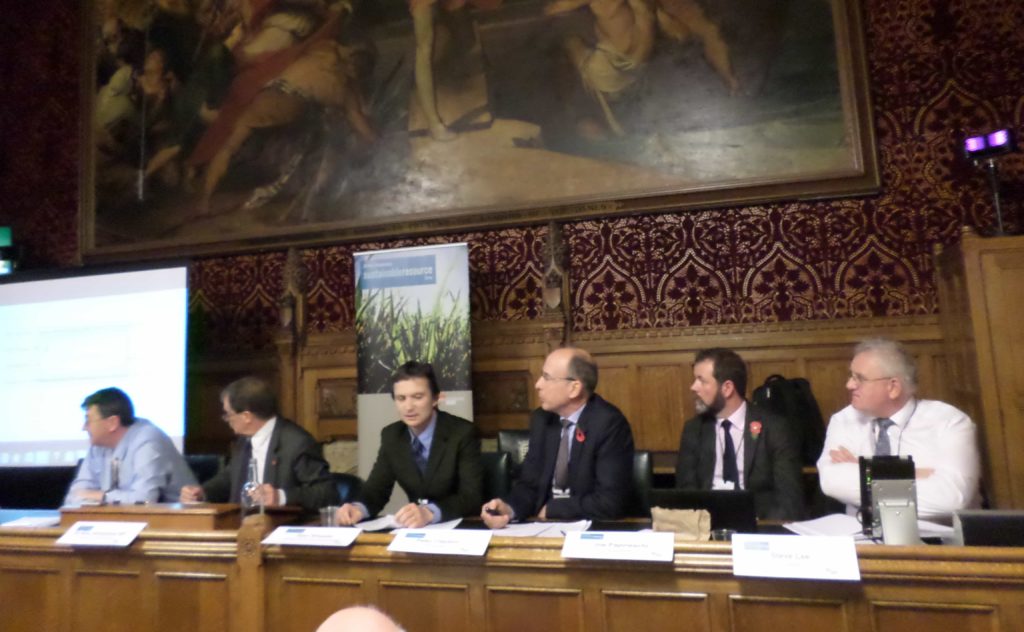
Speaking at a session of the All-Party Parliamentary Sustainable Resource Group (APSRG) in Westminster, the CIWM’s Steve Lee commented that there was no “magic fix” for recovered paper, plastics and steel markets.
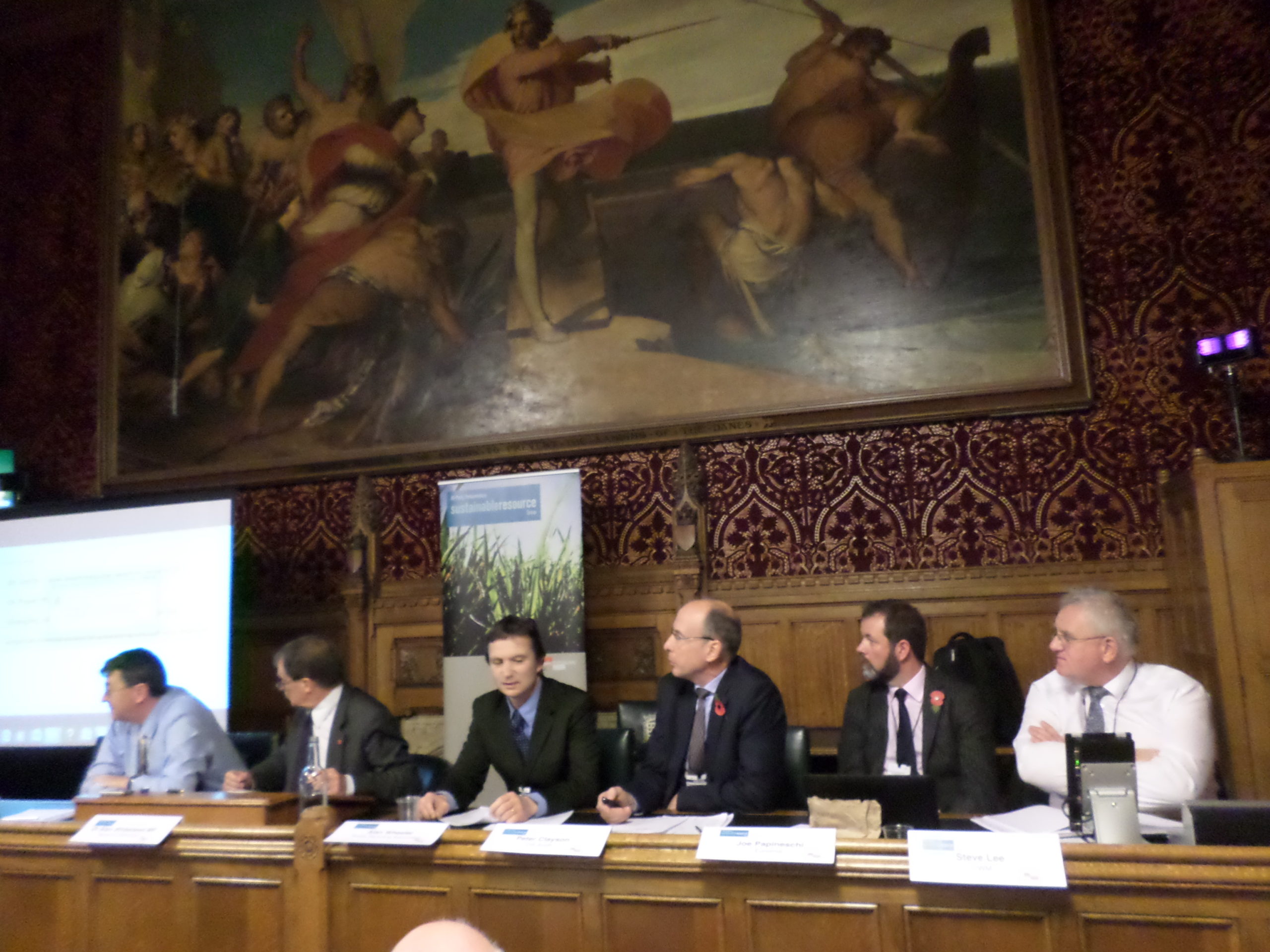
The event, chaired by Labour MP Alan Whitehead, featured presentations on the current global market situation for recovered materials – as well as their impact on waste businesses, local government and producers.
Commenting on the situation, Mr Lee urged governments in the UK to intervene in order to ease the pressure on business and councils as recycling targets grow by the year.
He said: “There is no magic market fix. We can raise targets but we must make sure we have the demand on the other side of the equation. I would like to see all four governments in the UK working in unison on this. We need them to go into bat for us at an EU level.
“We have got to the stage now where intervention is necessary. Unless we get the value chain right now we are going to have this discussion again, only in a worse situation, in five years’ time.”
Responsibility
Joe Papineschi, director of waste consultancy Eunomia, blamed the worsening situation on the low market value for recyclables – and argued producers were best placed to take the fluctuation risk.
He said: “The biggest issue affecting waste companies and local authorities is the portion of the cost which should be covered by the value of the material. The problem for local authorities is that fluctuation is very difficult to deal with if you are a public body with a fixed budget.
“Producers within that value chain are best placed to manage that risk. When material prices are low the manufacturing costs are also reduced so there is a natural hedge there.”
PRNs
The panel also touched on the future of packaging recovery notes (PRNs) with a broad consensus that a change was needed in the longer-term as packaging recycling targets increase.
Speaking from the floor, Phil Conran, chair of the Advisory Committee on Packaging, highlighted that the PRN system was ‘not a tool’ to subsidise local authorities or develop a UK infrastructure.
He said: “PRNs are there to meet a requirement at the lowest possible cost. What government has to do is decide what the PRN does in the future. Until we know the circular economy package it will be difficult to know what to achieve going forward. If we want to see it meet targets at the lowest cost there is no need to change the PRN.”
Andy Doran, of metal recycler Novelis, argued that he personally did not think the PRN had delivered the targets for aluminium, adding it would not be the solution in the future. Aluminium PRNs are currently at a high of £50-75 per tonne despite measures put in place by Defra to boost supply in the summer.
And, Mr Papineschi added that it ‘may not be fit for purpose’. He said there was a ‘strong economic argument’ to overhaul of the system to provide an incentive to get more investment in waste infrastructure.
Winding up the session, Mr Whitehead noted that waste “was not a sector that works particularly well in the lobbying process” – and suggested the delegates keep up the pressure on legislators if they want to see regulatory intervention in recycling markets.

Register for free to comment