
The extension follows a review of the RPS, which was originally introduced in December 2025 to replace RPS 352.
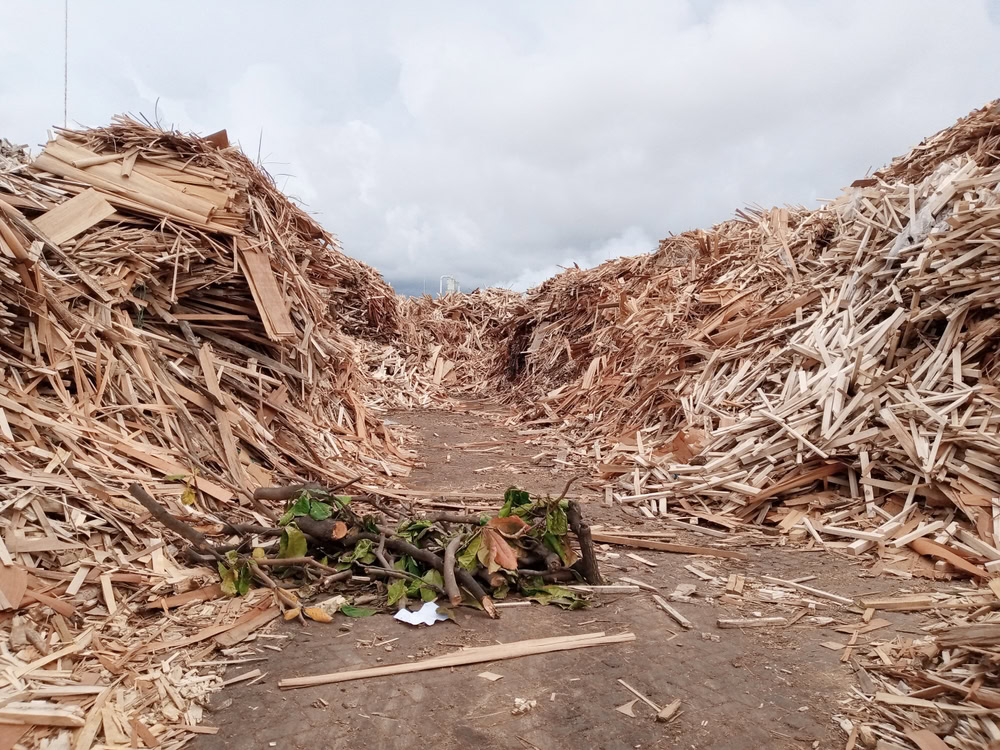
The measure was brought in to help sites manage increasing stockpiles caused by unplanned downtime at end destinations, including biomass plants, Energy from Waste (EfW) facilities and panel board manufacturing sites.
Julia Turner, Executive Director of the Wood Recyclers Association (WRA), commented on the decision: “We welcome the extension of RPS 361 until 31 March 2027, following constructive discussions between the WRA and the Environment Agency.
“RPS 361 allows operators in England to apply to temporarily exceed their permitted storage limits for waste wood in certain circumstances.
“The extension was necessary because waste wood volumes remain higher than usual, continuing to put pressure on storage capacity across the sector.
“We encourage any sites anticipating storage challenges to apply for the RPS as early as possible.
“We hope that the Environment Agency, together with regulators in the other three UK nations, will continue to take a proportionate, risk-based and flexible approach to the regulation of waste wood storage during this period.”
What does RPS 361 allow?
Under RPS 361, permitted waste wood sites that are experiencing a backlog of material due to disruption at downstream outlets can apply to store volumes above their existing permit limits on a temporary basis.
Operators wishing to rely on the RPS must notify the Environment Agency and receive confirmation that they can use it. They will also need to justify:
- Why they need to exceed storage limits
- By how much and for how long
- How they will manage the additional environmental and fire risks associated with increased stockpiling
Ongoing pressures for waste wood
The extension comes as the waste wood sector continues to face significant operational challenges.
Figures published by the WRA in June showed that the amount of waste wood processed in the UK fell by 7.3% during 2025.
According to the association, around four million tonnes were sent for reuse, recycling or recovery during the year, equivalent to 89% of all waste wood generated in the UK.
The disruptions have reduced available capacity, created an oversupply of material and left many recyclers managing growing stockpiles while waiting for outlets to reopen.
The WRA has repeatedly warned that constrained storage capacity, coupled with ongoing disruption across end markets, continues to place significant pressure on operators.

Register for free to comment