


By 2020, argues the Association for Public Services Excellence report, the combined current and capital spending by local government will be lower than at any time since before 1948.
APSE, which works with over 300 councils, has published its prediction following research conducted in conjunction with the New Policy Institute (NPI).
Their findings have been highlighted in a report entitled ‘Sustainable local government finance and liveable local areas: can we survive 2020?’ which concludes that a ‘new dimension’ of inequality is opening up according to how strongly a council can grow its business rate income.
The report states that should the current level of cuts be seen through, council tax will account for at least half the money coming in to all English councils by 2020. For shire counties, it will account for ‘three quarters’ of revenue.
Duties
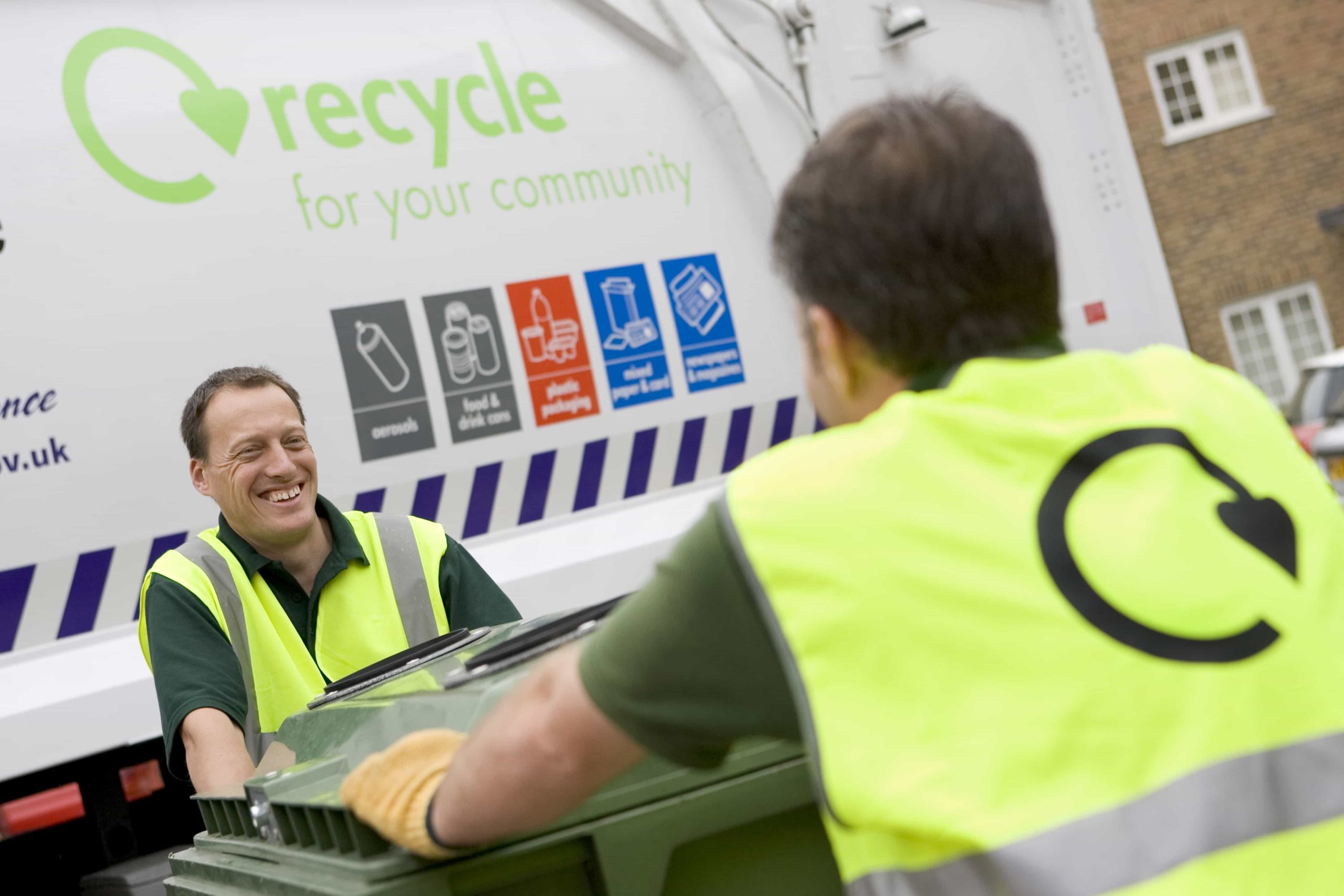
On waste collection and streetscene services, the report suggests that authorities ‘go beyond the basic statutory duties’ required of them, taking enforcement action for flytipping and cracking down litter offences.
Speaking at the report launch today, Mr O’Brien told letsrecycle.com that waste services were “key” and an area at “real risk”.
He explained that a reduction in collections whereby waste was left to pile up could have a long-term social effect known as the ‘broken window’ theory – in which failure to take care of the local environment negatively affects a community’s perception of itself.
He said: “Hopefully they [the local authorities] can come up with a creative solution, but in light of the severity of some of these cuts it is going to be extremely difficult.”
Asked whether one cost solution might be to bring waste and recycling collections back in-house, Mr O’Brien added: “Some authorities view the services they provide in-house as one area they can generate income from. For me there is a real sense of a support of municipal entrepreneurship and that’s something APSE wants to encourage.”
Campaign
APSE’s report, which was launched at a meeting in Westminster today, advocates campaigning for ‘public realm’ services, reform of council tax powers and making the most of opportunities which generate income.
Dr Peter Kenway, lead research author from NPI, added: “The new financial framework for local authorities breaks the link between need and source funding. There are no guarantees that ability to raise business rates will match needs in the most deprived areas.”

Register for free to comment