
Published by WRAP, ‘Digestate & Compost in Agriculture’ (DC-Agri), claims that renewable fertilisers can increase yields and reduce costs for farmers with no impact on crop quality.
The research, which is the culmination of a five-year research programme led by WRAP aims to provide a ‘robust evidence base’ to support the use of digestates from anaerobic digestion (AD) and compost from green and food waste to aid crop growth.
Digestate
On food-based digestate from AD, the research claims the material is a valuable source of nitrogen, with data provided on how much nitrogen the material will supply to crops, aimed at allowing farmers to reduce the amount of bagged fertiliser they use with no effect on yields.
Crops grown with an integrated nutrient plan combining bagged fertilisers and digestate or compost resulted in higher yields and better financial returns, WRAP adds.
Compost
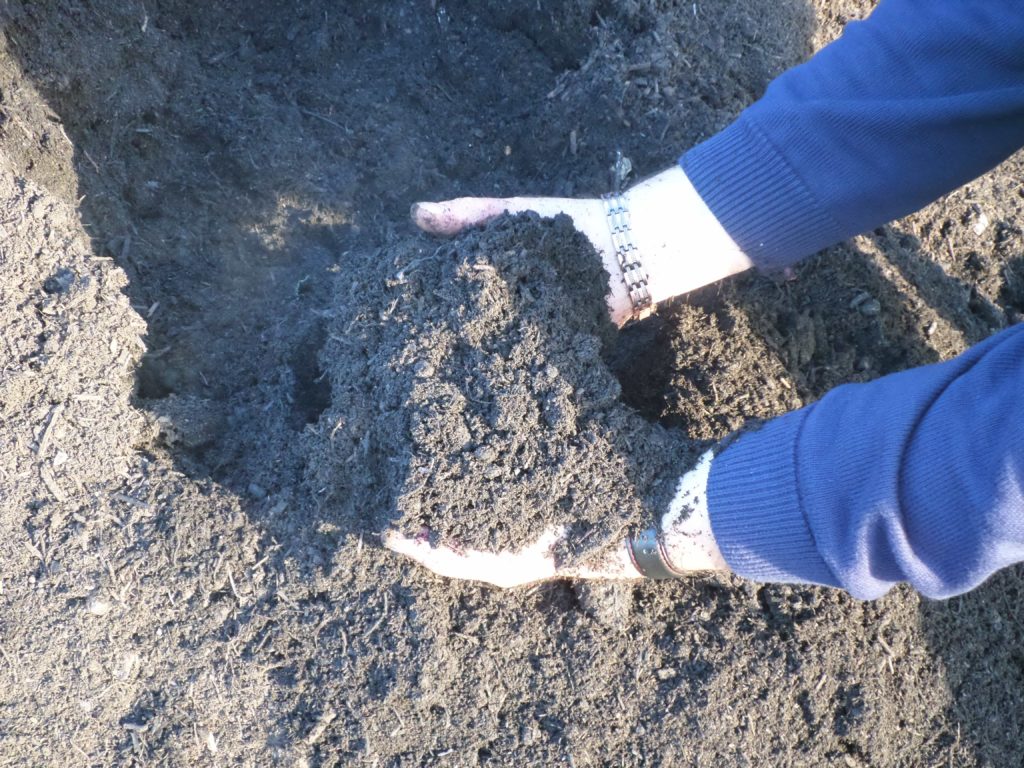
The research also claims that compost made from green garden and food waste builds levels of soil organic matter more quickly than other organic materials, such as farmyard manure, and can help to deliver ‘stronger and more resilient crops’.
The evidence outlined in DC-Agri has been brought together in WRAP’s ‘guides to good practice’, also published which explain how to use these products safely and help farmers and growers make the most of renewable fertilisers economically and environmentally.
Dr Richard Swannell, director at WRAP, said: “Digestate and compost are valuable renewable products of our food and garden waste recycling processes. These new findings show the benefits that using the products correctly can bring, and for the first time farmers and growers have the evidence to make informed decisions about their fertiliser use. This is a significant step forward for both the anaerobic digestion and composting industries and for farmers and growers.”
‘Welcome’
Defra’s Resources Minister, Rory Stewart, said: “Sustainable farming is increasingly important for our environment and food supply. I welcome this report which will allow farmers to make better decisions about renewable fertilisers, helping to grow crops more smartly and efficiently.”
Martin Rogers, environment policy advisor, NFU, said: “Digestate is an excellent biofertiliser which can help farmers to reduce their costs. With the recent rapid growth in AD infrastructure, it is becoming increasingly available to farmers across the UK. It is therefore important that anaerobic digestate is managed appropriately to maintain quality standards and achieve the best results. The DC-Agri experiments provide evidence to help farmers make informed decisions about its use.”

Register for free to comment