
Residents are being asked to comment on two options — either to keep existing 240-litre green residual waste bins but change to three weekly collection, or replace the existing bin with a new 140 litre, smaller green bin that is collected on the current two week schedule.
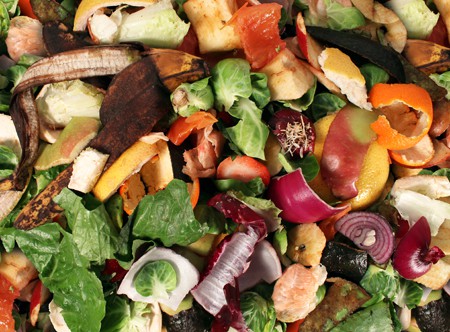
The new food recycling service will include a weekly separate food waste collection from Wirral households. The council is looking to introduce one of the two food waste collection schemes from spring 2017.
Details of the proposals, and a short questionnaire for residents to complete, have been published on the council website. The consultation will run until 9 September.
Opportunity
Cllr Bernie Mooney, cabinet member for Environment, said: “We are asking residents to make a straight choice on a change to how we collect residual waste – that’s the stuff we send to landfill. However, there is also an opportunity with this consultation for people to give us feedback on the decision to introduce a food recycling service.
“What we have to make clear, though, is that there is no ‘do nothing’ option. By 2020 we need to be recycling 50% of all household waste in Wirral, which means we need to reduce residual waste by 16,000 tonnes. If we fail to meet that target we may face fines from the government and the levy we pay for our waste disposal and treatment will rise significantly from the current £15.4 million each year.
“Our current recycling rate stands at 36% so it is easy to see why we need to significantly change how we currently do things – and quickly – to get us to 50%.”
Debate
There has been ongoing debate on the benefits of separate food waste collection. In May, the publication of a report by the REA’s Organics Recycling Group entitled ‘The Real Economic Benefit of Separate Food Waste Collections’ which received some criticism from local authority recycling officers (see letsrecyle.com story).
The report called for food waste collections to be made mandatory across England, claiming that the move would ultimately lead to a ‘cost benefit’ to councils, due to a reduction in disposal costs (see letsrecycle.com story).
But recycling officers claimed the report did not consider the issues of funding support England councils are faced with and wrongly reflected the actual savings that might be realised by the introduction of separate food waste collections by councils.
The two bodies have since agreed more collaboration is needed, and released a joint statement promising more action to boost municipal food waste recycling (see letsrecycle.com story).
‘Logical step’
Commenting on the financial and environmental benefits of Wirral’s food waste recycling scheme proposals, Cllr Mooney added: “The evidence we’ve seen in Wirral is that 40% of the rubbish that goes into the residual waste bin is food, so investing in a food recycling collection service is a logical step. Many other councils collected food for recycling. Those councils have seen recycling rates improve dramatically and they send a good deal less waste to landfill.
“Recycling leftover food is the right thing to do for the environment. Rotting food in landfill generates methane, which is a greenhouse gas 21 times more potent than carbon dioxide and which contributes to climate change.
“The food that will be collected will be taken to a special processing plant in Widnes, which will result in it generating renewable energy and a nutrient-rich fertiliser that can be used to grow more food.”
The food recycling service will see residents given a small caddy to keep in their kitchen to collect food along with a supply of liner bags. They will also get a small container to place the bagged food waste in throughout the week and this container can then be left out for collection every week alongside whatever other bin is due for collection that day.

This is brilliant news. The food waste collection is a great idea and helps to give residents control back on the amount of waste that they make. In turn this should save them money as they can tweak their buying, storing, cooking and eating habits.
It is important that there is some flexibility as too often there is not enough explanation. Residents will need to have access to good information. They will be lucky now that the http://www.recyclenow.com website has been updated. Under Recycling Knowledge is Food Recycling. Here there are the personal testimonies of people who already use this system and how they have incorporated it into their lifestyles.
They should also be encouraged to number their food waste bin with their house number and to swish it out or scrub it if necessary and store it somewhere accessible and cool if they can. It would also be a good idea if more emphasis was put on the life cycle of musca domestica in school! There are too many squeamish adults around. This presumably is also as a result of cookery and food management being missing from the school curriculum for so long.
http://www.lovefoodhatewaste.org.uk also needs to be promoted especially with the new infographic showing the meaning of Best Before and Use By dates and the info on store cupboard essentials – so there is some long life food in the home to fall back on and not too much fresh food that may not be eaten.
Also that it isn’t essential to use liners – there are other ways of wrapping your food waste – but in summer liners are definitely a good idea. So if you run out you can use newspaper or kitchen roll.
Also residents queries eg – what is the best way to deal with the fat out of the grill pan and the oil out of the tuna tin – need to be addressed. Give people help and encourage them to help each other and I am sure they will appreciate not having so much waste to deal with, saving money, and less messy green or other waste. It is important that those doing the helping have some expertise so get some tips from Grandma or Great Grandma because they would never have wasted the amount of food that is wasted today.