
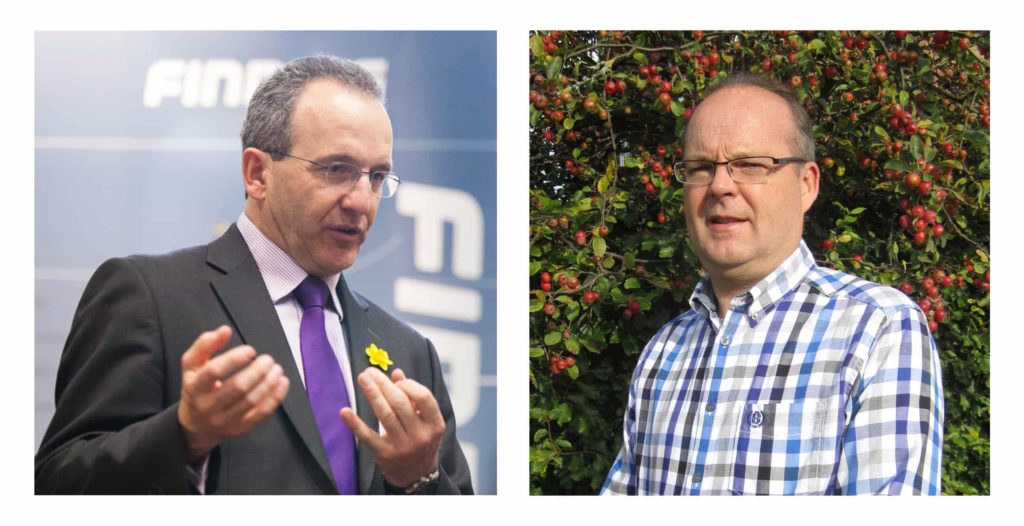
The Renewable Energy Association (REA) and Local Authority Recycling Advisory Committee (LARAC) have released a joint statement promising more action to boost municipal food waste recycling.
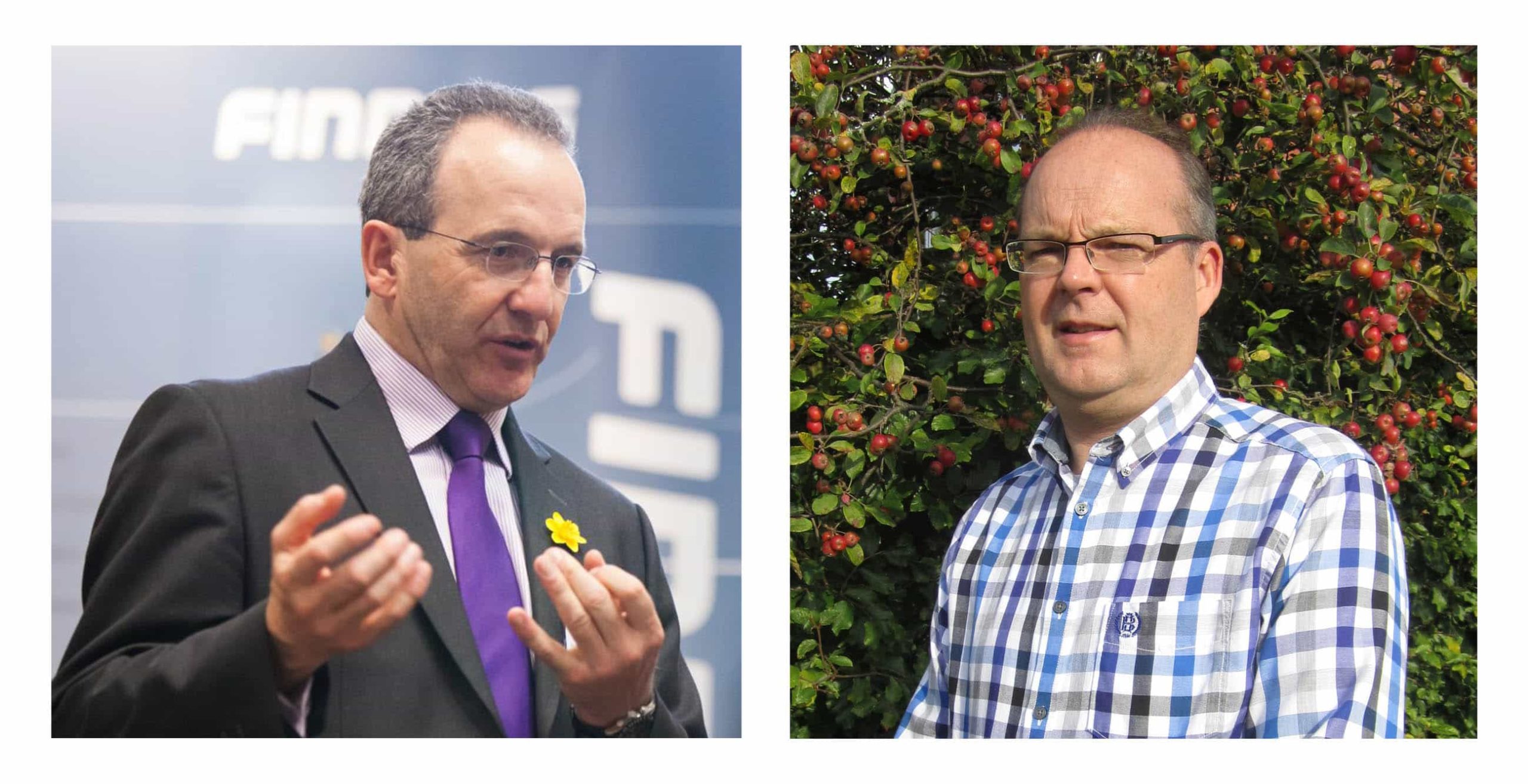
It follows the publication of a report entitled ‘The Real Economic Benefit of Separate Food Waste Collections’ issued by the REA’s Organics Recycling Group in May, which called for collections of biowaste to be made mandatory across England.
The report initially received a stern response from LARAC, with association chair Andrew Bird describing the document as “self-serving” and not reflecting the actual savings could be realised by enforcing the rounds (see letsrecycle.com story).
But, the two industry bodies now appear to have reconciled after REA technical director Jeremy Jacobs last week said that councils had “risen to the challenges” set to them by budget cuts from central government and had done “an extraordinary job protecting public services”.
‘Critical’
In a joint statement issued today (8 June), Mr Jacobs added: “Increasing the volume of food waste that is collected separately is critical to meet our legally binding recycling target of 50% by 2020. There is an urgent need for new policy; collaboration and consensus are the strongest tools we have available to achieve it.
“The renewables industry is sensitive to the tight budgetary constraints that most local authorities face and we are open to working with them to deliver workable solutions and innovative funding models.”
Mr Bird stated that he looked forward to working with the REA and government to find solutions to the UK’s recycling needs.
He said: “Local authorities are under extraordinary pressure at the moment and for the foreseeable future, and each faces their own difficult budgetary choices. We know that the REA understands this, and we see the point of their report- that there are potential savings to be made with separate food waste treatment compared to residual waste disposal, and this can help offset additional collection costs.”

Register for free to comment