

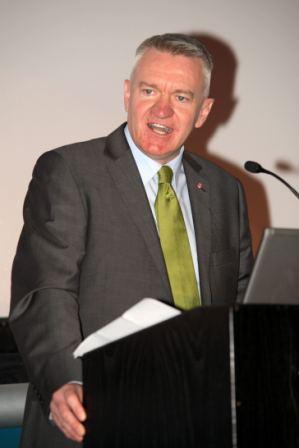
Ray Georgeson, chief executive, The Resource Association
Like many, my initial reaction was one of concern about the damage the use of the veto in such dramatic circumstances might do to our relationships in the EU. I still have this concern, even though in truth it is too early to predict the real impact of this split between the UK and the rest of the EU27.
If the political storm unleashed by this move results in an unstoppable head of steam for a referendum on membership of the EU, this would expose the real divide that exists in the UK on the issue of Europe.
The EU is our major trading bloc and we are economically interlinked and more culturally linked than many choose to acknowledge. It is also a fact that much of the environmental legislation and consequent improvements made in the UK in the last 30 years have been as a result of the impact of EU Directives, most of which has been positive and important, including the Landfill Directive and potentially the revised Waste Framework Directive.
The juxtaposition of this European split with the valiant efforts by EU negotiators working in harmony at the COP17 climate conference in Durban (with our Energy Secretary Chris Huhne at the centre of our efforts) is stark.
I would urge our political leaders to calm down and remember the real value that EU membership and active engagement by Britain has brought to our society and especially to our environment.
Andrew Craig, principal policy support officer, LARAC

In the longer term the existing treaties have not been altered and the powers of the European Commission regarding waste policy do not change at all. It just means we are not party to the new treaty regarding salvaging the Euro however, there could be an issue with banks and funding for infrastructure. The impact can only be adverse for waste management.
If there are medium or long term effects it would have to do with how banks are regulated which could impact plans for a green investment bank, it would be worth looking into this more. That is one of the key sources of finance for waste infrastructure.
It could also impact projects involving new technologies, as non merchant banks could be reluctant to provide finance because of the risk profile of new technologies in this industry, but as far as I am aware it is not going to affect other EU environmental law.
Matthew Farrow, director of policy, Environmental Services Association

Given the serious economic outlook Europe faces, both in the Eurozone and outside it, the waste & resources sector wants to see strong and united political leadership in the UK and in the EU to help restore stability and growth.
The EU has made great strides over the past 30 years, both economically and environmentally, and improvements in waste and resource management have been a key part of that progress. It is vital that the UK continues to be a fully engaged player in promoting the EUs resource efficiency agenda in the future.
Mike Snell, head of external affairs, Waste Recycling Group
In what is a very complex political and economic situation, it is far too early to understand what the implications might be for business and for the waste and resource sector in particular as a result of the weekends EU Lisbon Treaty summit.
One thing is certain, though, that the further development of the UKs, and Europes, drive for greater resource efficiency is in transition, and the continued confidence of those who are prepared to invest in our sector is absolutely vital. That confidence will only come from real economic growth and we trust that the EUs efforts through the new treaty accord – to balance the need for budgetary rules against that for stimulating economic growth – will ultimately be successful.

Register for free to comment