


Under plans unveiled in the government’s summer Budget yesterday (July 9), workers on the current National Minimum Wage (NMW) can expect to see their annual salary increase by over £1,200 from April 2016.
The Budget, which was announced by Chancellor George Osborne in the House of Commons, is the first delivered by a Conservative majority government since 1997.
The 123-page document laid out the Chancellor’s plans for a new National Living Wage which the Treasury claims will lift the wages of the lowest paid, while setting out a path to a ‘tax-free’ national minimum wage in future.
The Living Wage will mean businesses must pay workers aged 25 or over at least £7.20 per hour from April 2016, rising to £9 per hour by 2020.
The Budget document states: “The government wants to move from a low wage, high tax, high welfare society to a higher wage, lower tax, lower welfare society. Over the last Parliament, those on the lowest wages saw their pay steadily rise, with the NMW now standing at £6.50.”
It continues: “The government will therefore introduce a new National Living Wage for workers aged 25 and above, by introducing a new premium on top of the NMW. From April 2016, the new NLW will be set at £7.20 – a rise of 70p relative to the current NMW rate, and 50p above the NMW increase coming into effect in October 2015.”
Impact
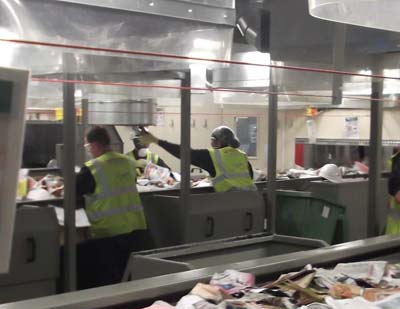
The announcement is expected to have an impact on waste and recycling businesses across the country, many of which employ minimum wage workers to sort materials on picking lines at materials recycling facilities.
Nathan Bowles, chief executive of Smart Solutions, warned that the government needed to be cautious that wage rises did not turn into job cuts. The Newport-based firm provides around 3,000 employees for work within the waste and recycling sector each week.
Mr Bowles said: “Smart Solutions welcomes any improvements the government can make to living wage of our workers, the government of course needs to be cautious that wage rises are affordable and don’t turn into job cuts. Any increases in the production costs of our recyclate will be unwelcome, let’s not forget the reprocessing industry is a buyers export market that has no need to respond to increased costs.

He added: “The sector has a steadily growing investment in workforce skills and training with the numbers of apprenticeships improving year on year, whilst the cut in corporation tax and the amount smaller firms contribute to National Insurance will be a huge help, the introduction of a Levy for firms investing in apprenticeships will have to be carefully managed so not to overturn the progress already made in encouraging businesses to invest in skills and young people.”
Uncertainty
Jacob Hayler, executive director of the Environmental Services Association, the trade body for the UK’s waste management industry, said while it was still uncertain what the proposed changes would mean for companies, he hoped the increase in the Employment Allowance and cuts in Corporation Tax would offset employment costs.
Mr Hayler said: “On its own this would be a move which, on the face of it, would increase employment costs to businesses and lead to the creation of fewer jobs across the economy. The Chancellor has, however, coupled this measure with increases in the Employment Allowance and cuts in Corporation Tax. Both of these moves should help to offset the aforementioned employment impacts whilst retaining the benefit of higher wages for workers.”
Alan Wheeler, director of the Textiles Recycling Association, added government should ‘think carefully’ about how the wage would affect employment.
He said: “The largest number of people in the textiles sector are sorting clothing into 150 different grades, but we also we have warehouse workers and the forklift drivers. People should get paid a wage which is affordable so any plans for businesses to pay the Living Wage should be done with careful consideration. Yes it’s important, but it also needs to be sustainable.”


Register for free to comment