

And, the anaerobic digestion (AD) sector is also calling for more funding to be made available for a five-year ‘innovation programme’ to showcase the renewable technology to the rest of the world.

Chancellor George Osborne will set out the Treasury’s latest financial plan for the country in Parliament on Wednesday – with a number of measures expected which could have ramifications for the waste industry.
Among them is a cut in the money available for community projects via the Landfill Tax Communities Fund – with companies facing extra costs to support the scheme of as much as £500,000 a year.
Third party contributions to the scheme have to date been used to offset a 10% shortfall in landfill tax payments to community projects – but under changes announced in the Chancellor’s Autumn Statement, this will be disallowed from April 2016 (see letsrecycle.com story).
Paul Taylor, executive director of the Veolia Environmental Trust, told letsrecycle.com there was a “strong indication” the changes would be confirmed in this week’s budget.
Mr Taylor said: “This scheme is tiring anyway because landfill tax has done its job. There’s not as much waste going to landfill which means less money for communities. We are having to restructure our organisation to cope with that reduction. This has meant job losses and it means that we are having to streamline our organisation.”
The Environmental Services Association (ESA), which represents the UK’s waste industry, has described the proposed changes to third party contributions as ‘catastrophic’ and has called for the Treasury to reconsider the proposals.
ESA’s Executive Director, Jacob Hayler said: “Bringing in these changes now would provide landfill operators with little time to budget, particularly when their planning timescales tend to be around five years in advance and when some individual operators are facing unforeseen annual costs of almost £1 million.”
Landfill tax
Elsewhere, the Chancellor is expected to confirm an increase the standard landfill tax rate from £82.60 to £84.40 per tonne from April 1 – as well as plans to reduce the testing threshold for which waste processors can achieve the lower £2.65 rate of tax.
Some skip hire operators have argued that inconsistency between laboratories testing waste fines – coupled with the Scottish Government’s decision not to lower its threshold until October – will hit smaller businesses hard and lead to increases in ‘waste tourism’ – the movement of waste across national boundaries where tax rates differ (see letsrecycle.com story).
But commenting on the budget, Sam Corp, head of regulation at ESA, said operators have had 12 months in which to modify their processes to meet the new standard.
He added that “genuine” qualifying material “should easily comply with the 10% limit and in fact we understand that the vast majority of test results are already under this limit.”
AD
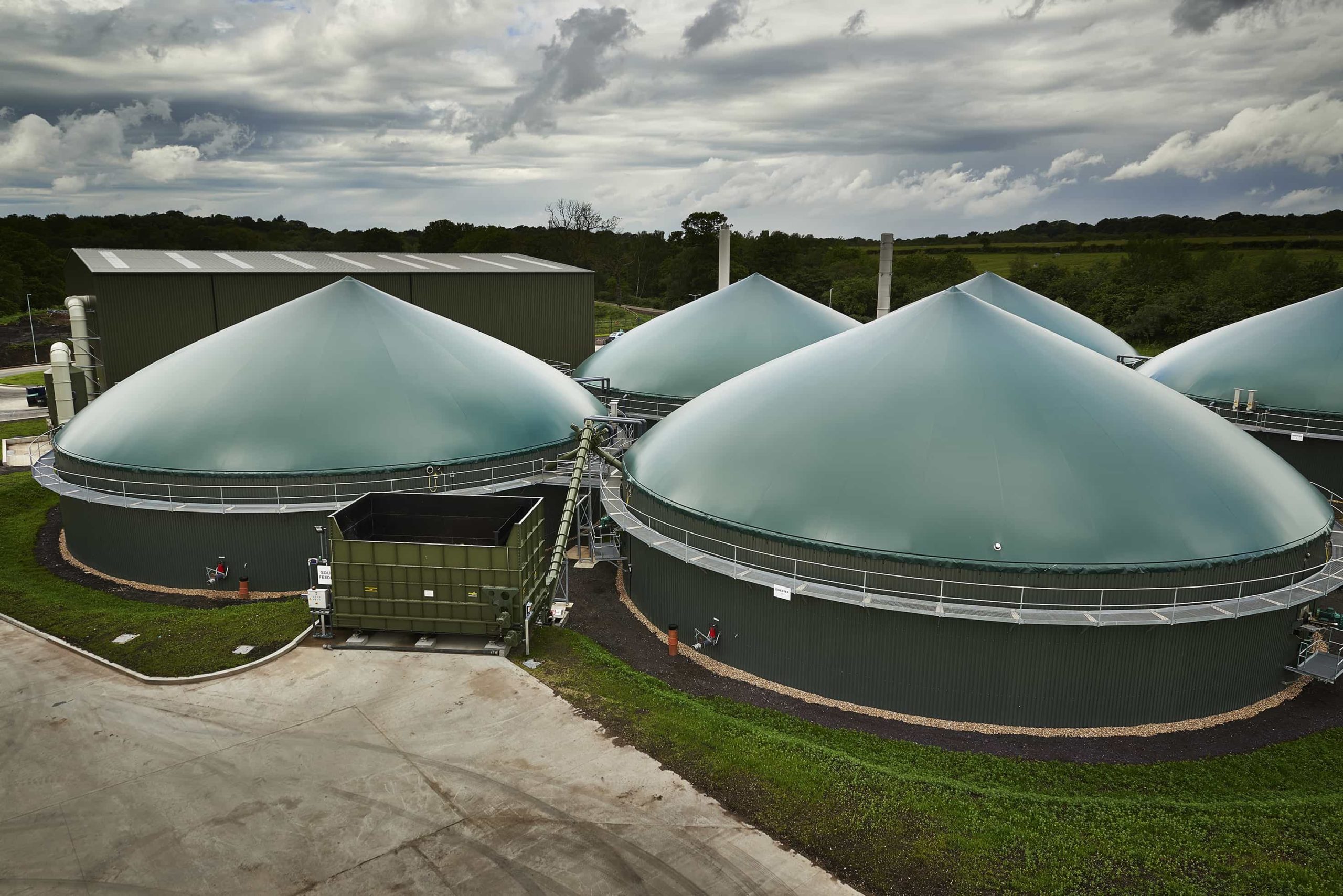
The Anaerobic Digestion & Bioresources Association (ADBA) has meanwhile laid out what it would like to see from the Chancellor ahead of Wednesday’s statement.
In a policy paper to the Department of Energy & Climate Change, ADBA has called on government to allocate at least £25 million of an increase innovation programme worth £500 million over the next five years.
The programme will help set up demonstration projects for power-to-methane and digestate processing.
ADBA’s chief executive, Charlotte Morton, said: “The potential export value of anaerobic digestion technology is over £2 billion per year for a decade, and yet UK exports are currently estimated at just £50 – £100 million.
“Supporting such new technologies through industry could bring ways of sustaining the sector with reduced reliance on financial mechanisms, allowing AD to remain the most cost-effective method of producing home-grown green gas and electricity, and contributing to the UK’s 2020 renewable energy, recycling, decarbonisation, and climate change targets.”

Register for free to comment