

The review was announced by the Chancellor of the Exchequer Philip Hammond in his Spring Statement this afternoon (13 March).
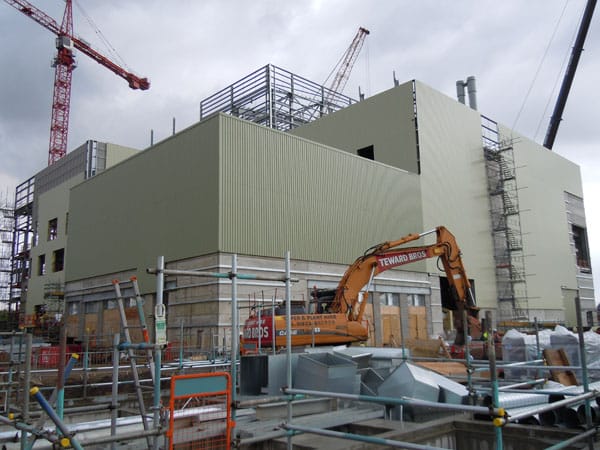
This will look at the government’s tools for supporting private investment in areas such as waste, energy, water and transport in the context of the UK’s changing relationship with the European Investment Bank and to replace the PFI financing model.
Government has historically used private investment through Private Finance Initiatives (PFIs) as a way to fund economic and social infrastructure projects. However, in 2010 it started to remove PFI support for major waste projects.
In Budget 2018 it was announced that PFI funding would not be used for any future projects – due to concerns over the value for money delivered.
PFI
PFI contracts involve initial capital investment from the private sector to fund large public infrastructure developments. Public finance is then used to pay back the project over a long-term period.
Notable PFI waste projects have included the Greater Manchester Waste Disposal Authority’s long-term waste infrastructure contract, which was recently re-tendered by the Greater Manchester Combined Authority.
Within the review the government said it is open to exploring new ways to use private finance in government projects, but the benefits brought by private finance “must outweigh the additional cost to the taxpayer of using private capital”.
It added that it will not be seeking a like-for-like replacement for PFI funding and will “no longer procure off-balance sheet projects using a Design, Build, Finance and Maintain/Operate contracting structure where the taxpayer directly pays for the project”.
Mr Hammond described today’s Spring Statement as part of government efforts to “build sustainability into the heart of our economic model”, but offered little in the way of new policy that is likely to have a direct bearing on businesses in the waste and recycling sector.
The Chancellor did announce a series of ‘clean growth’ measures, which included helping small businesses to reduce energy bills and carbon emissions through a ‘business energy efficiency scheme’ and to launch a call for evidence on Offsetting Transport Emissions.
Further measures will also be detailed on accelerating the decarbonisation of gas supplies by increasing the proportion of green gas in the grid.
Related Links
Treasury – Infrastructure Finance Review

Register for free to comment