


Currently, homeowners are disposing of wastepaper and cardboard in the silver recycling bin. But according to the council this leads to a mixture with other materials, resulting in potential contamination from food waste, liquids, or broken glass which it states it makes recycling “challenging”.
The scheme will separate paper and cardboard from the rest of the domestic household recycling.
In preparation for this change the council has sent out information packs which include leaflets and a calendar to over 68,000 households explaining the change.
The council have said purple-lidded paper and cardboard bins will be delivered to residents over the next few weeks.
Reduce
South Kesteven district council deputy chief executive, Richard Wyles, said: “Together, we need to do all we can to help our environment by reducing the amount of waste we produce and reusing items where we can.
“Our trained South Kesteven district council team, in partnership with Lincolnshire County Council, will work hard to help everyone get ready for this change, and we are already hosting information roadshows across the district to put people in the picture.”
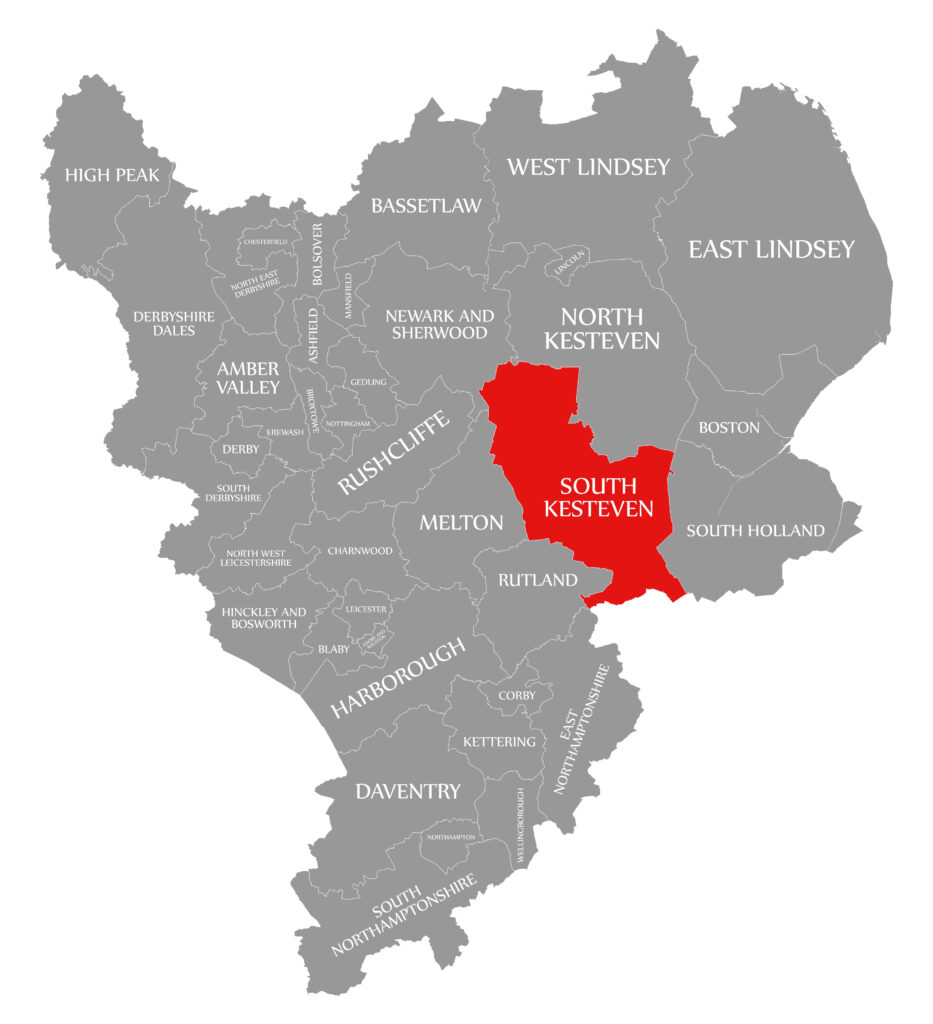
This scheme follows the implementation of this new collection service across North Kesteven, Boston borough, West Lindsey and East Lindsey district councils.
Contamination
Cabinet member for Environment and Waste, councillor Rhys Baker, said: “Because some people put the wrong materials in their recycling bin, it can mean that paper and card contaminated with liquids or food has to be disposed of rather than recycled.
“If this scheme goes ahead as planned, it will be a big change for residents across the district, so we will be sharing information about the changes, a recycling guide showing what goes in which bin – plus a guide for the new purple-lidded bin for clean and dry paper and card.
“It will mean paper and card can be kept clean, dry and separate from other recycling so it can be sent to a dedicated UK processor.
According to a report presented to South Kesteven district council’s Environment Overview and Scrutiny Committee, regions in Lincolnshire where the scheme has been implemented have witnessed a significant drop in contamination rates across all recyclable materials. These rates have decreased from approximately 30% to 15%.

Register for free to comment