

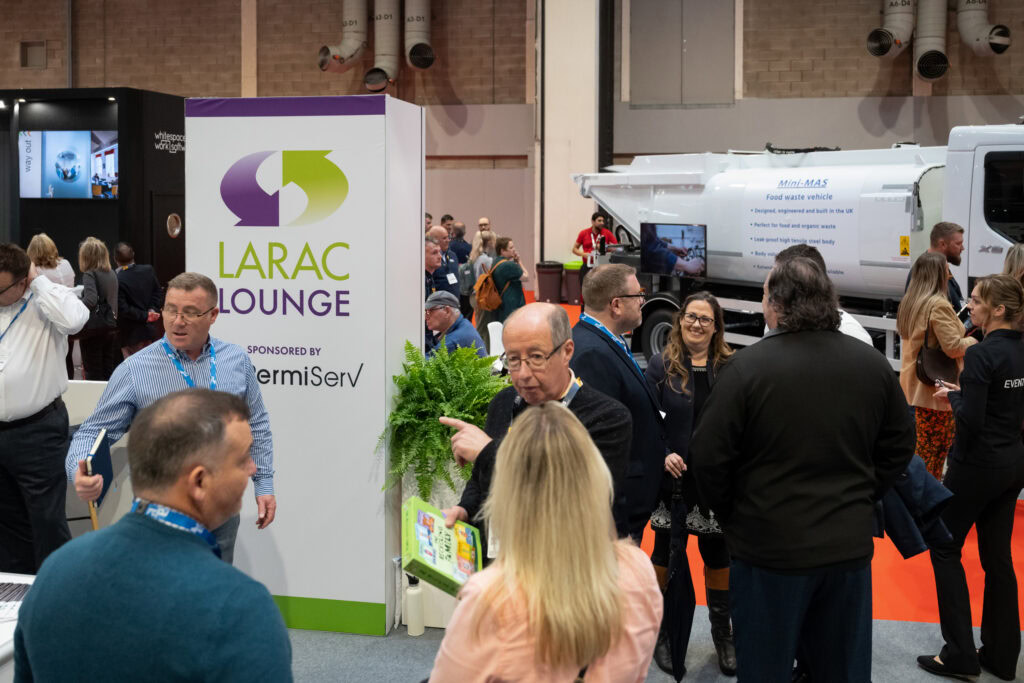
Because of the sheer volume of ESS, unfortunately, it would be nearly impossible to cover each panel that took place, but here’s a few recycling and waste management highlights from the first day.
Leading the UK Waste Sector
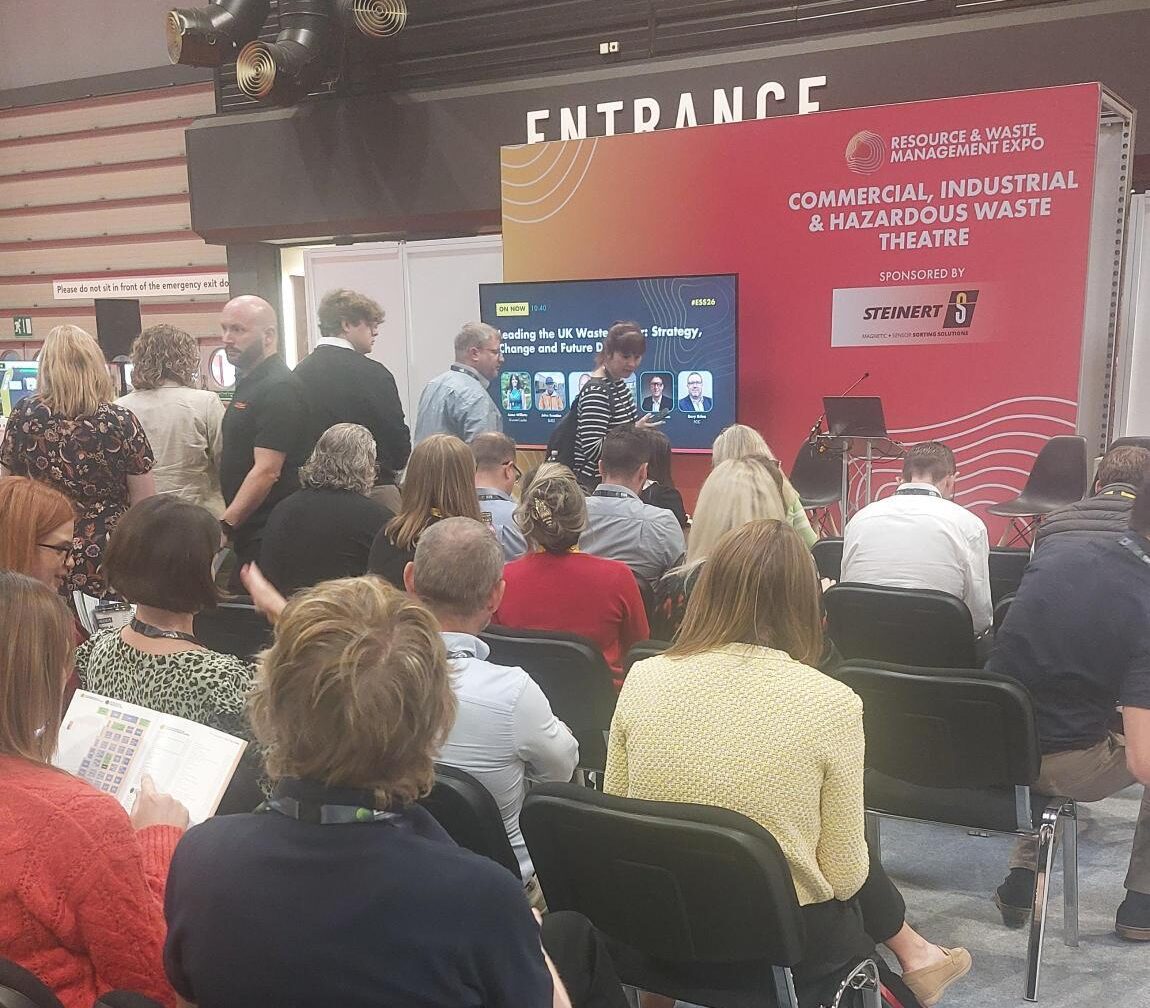
Senior figures from Biffa, Encyclis, FCC Environment, Grundon and Suez discussed the issues currently facing the industry in the ‘Leading the UK Waste Sector: Strategy, Change and Future Direction’ panel.
Fire risk emerged as one of the industry’s biggest concerns, with strong support across the panel for a Deposit Return Scheme (DRS) for vapes. Waste crime was also highlighted as a major issue, with panellists pointing to the impact of illegal activity on investment in the legitimate waste sector.
Digital Waste Tracking was discussed as a potential tool for improving oversight, although panellists questioned whether greater focus should instead be placed further up the supply chain, particularly on producers.
Bringing the discussion to a close, Grundon chairman Neil Grundon offered a wry observation for the sector, telling delegates: “We’re not going to run out of waste.”
Plastic Soup Surfer
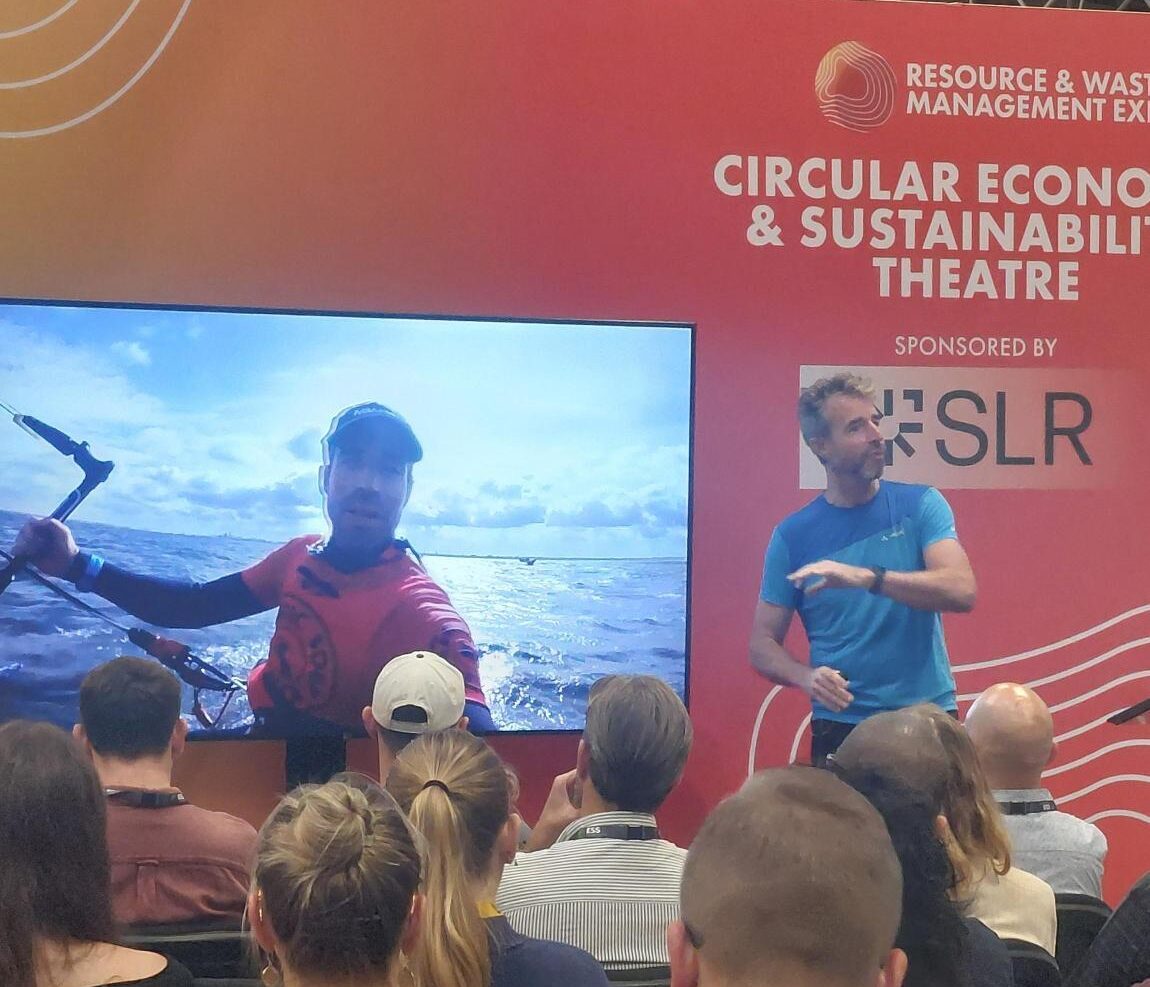
Biologist and surfer Merijn Tinga brought an unconventional perspective to the DRS debate with his session, ‘Plastic Soup Surfer – How to Convert the Pope to Introduce a Deposit Return Scheme’.
Tinga, who built his own surfboard from plastic bottles and an ironing board, windsurfed from Oslo to London, Paris and Nice before reaching the Vatican in Rome, where he was granted a private audience with Pope Leo XIV.
The journey formed the next part of Tinga’s campaign for stronger action on plastic litter, following a proposal to the Dutch government which he said could reduce littering by 90%. The proposal was unanimously passed by the Dutch Parliament, with a target of cutting littered bottles by 70% within three years. The introduction of the scheme was followed by a 50% decrease in littered plastic bottles.
Big Five in Collections
Rising costs, driver shortages and the impact of new recycling legislation were among the key themes discussed during ‘The Big Five in Collections’ session.
Panellists highlighted mounting cost pressures, including higher fuel and container prices, alongside continued challenges around driver retention. The latter is being compounded by the expansion of food waste collections under Simpler Recycling, with concerns that the issue could become more pronounced in the commercial sector next year as SMEs are brought into the regulations and collection requirements increase.
The forthcoming Deposit Return Scheme (DRS) also prompted questions over the economics of collections, with panellists considering the impact of materials being removed from existing collection streams and the resulting effect on revenues. Flexible plastics had been expected to help offset some of this impact, although the delay to mandatory collections has changed that picture.
Technology offered a more forward-looking note, with AI and other digital tools being explored for applications including route optimisation, driver performance and health and safety.
Meeting the UK Packaging PRO
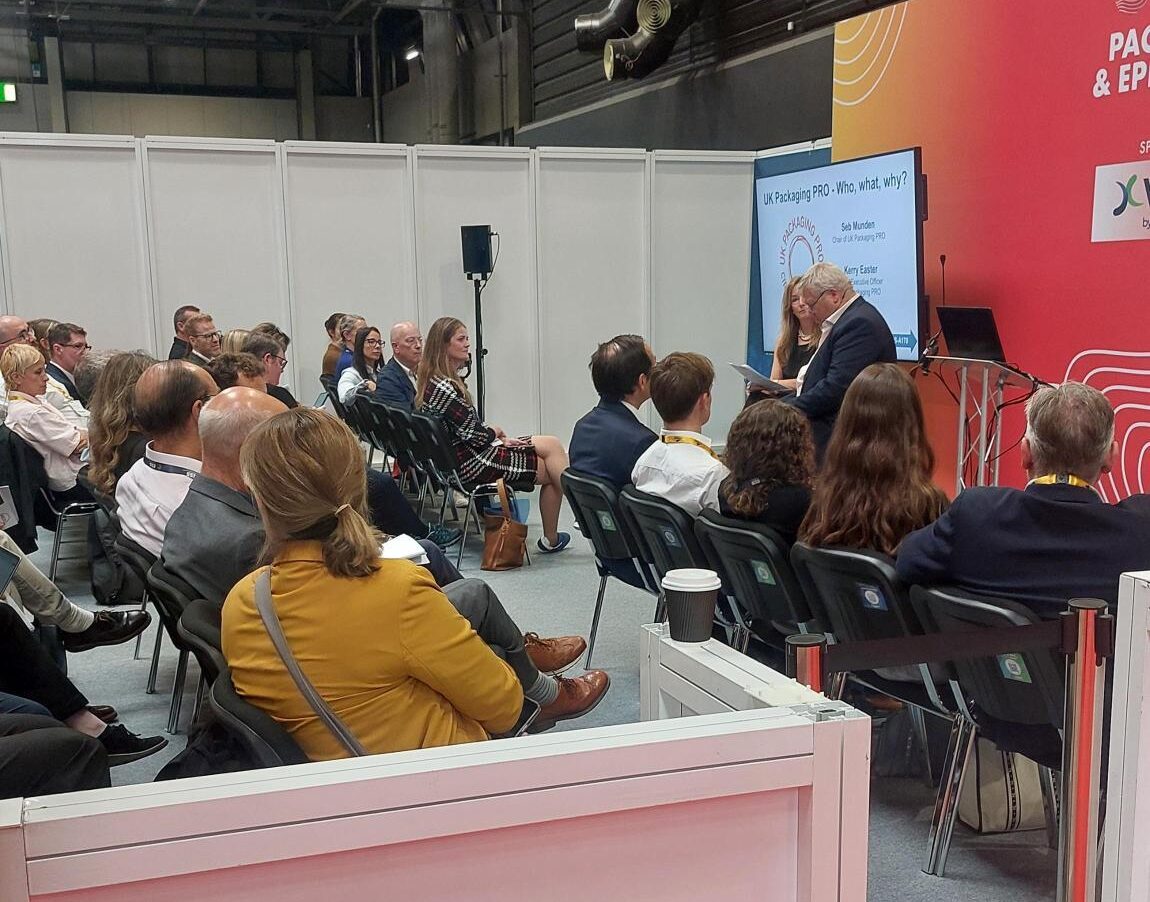
The new UK Packaging Producer Responsibility Organisation (PRO) took to the stage to outline its role in the developing packaging Extended Producer Responsibility (pEPR) system, with CEO Kerry Easter and Chair Sebastian Munden discussing the challenges of making the scheme work for all.
A key theme was the need to build confidence in the system and create greater certainty for future investment, with both producers and local authorities continuing to raise concerns around transparency and costs.
Improving the quality and consistency of data was identified as one of the PRO’s key tasks, with panellists arguing that a more professional approach to data collection and management will be essential to improving transparency and confidence in the scheme.
The session also examined what happens when different parts of the system fail to link up, highlighting the importance of ensuring the various elements of pEPR work together rather than operating in isolation.
Preventing battery-related fires
Battery-related fires remained firmly on the agenda at RWM, with a panel hosted by letsrecycle.com editor Savannah Coombe examining practical measures to reduce the growing risk across the waste and recycling sector.
Panellists discussed the potential for kerbside collection of waste electrical and electronic equipment (WEEE), while emphasising that the approach may work for some local authorities but is unlikely to provide a universal solution.
The discussion also turned to where responsibility for battery fires should sit, with calls for greater action from producers and consumers. A Deposit Return Scheme (DRS) for vapes was again highlighted as a potential intervention.
Technology could also have a role to play, with AI-powered sorting systems identified as a way of detecting batteries earlier and preventing incidents, rather than simply responding once a fire has started. Panellists also called for clearer recycling information to be placed on individual items, rather than relying solely on packaging to tell consumers how products should be disposed of.

Register for free to comment