


The guidance, which includes instructions on submitting bag charge data to Defra annually, comes ahead of the start of the charging regime in England from October 5.
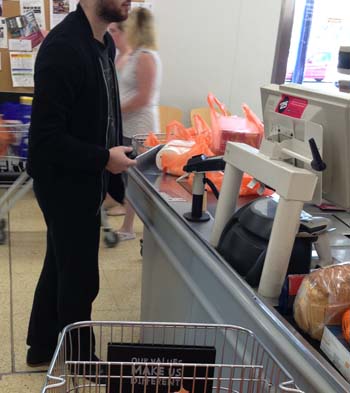
Retailers have also been warned that they could face fines of up to £20,000 if they don’t charge at least 5p for bags that fall under the scope of the legislation, fail to keep or supply records of how the charge has been applied, or supply misleading information on how they are complying with the law.
Single use bags falling under the scope of the charge include those that are:
- unused – it’s new and hasn’t been used previously for sold goods to be taken away or delivered;
- plastic;
- with handles;
- 70 microns thick or less.
Bags used in any delivery service must also incur a charge, with customers to be charged for the average number of bags used in a typical deliver. Defra has also advised retailers to offer ‘bagless’ deliveries to customers.
Scope
Bags that don’t fall under the scope of the charge include those handed out for uncooked fish or meat products, for unwrapped food or flowers, for prescription medicine, woven plastic bags, reusable bags or where there is no sale of goods such as in dry cleaning or shoe repairs.
The government has also reiterated that the charge should only be applied by firms that employ 250 or more full-time equivalent employees – including those in retail and non retail roles.
Defra has also reaffirmed that work is ongoing to assess the viability of excluding biodegradable carrier bags from the charge, but that as yet no suitable bag has been identified that could fulfil this requirement. Defra is to submit a report to Parliament by October 5 as to how an exemption for biodegradable carriers could be applied.

Register for free to comment