



The study, entitled Lifecycle Assessment of Supermarket Carrier Bags was published on Tuesday (February 22) and assesses the environmental impact of seven types of carrier bags, ranging from a conventional, lightweight carrier made from high-density polyethylene (HDPE) to cotton bags.
Premium, heavier weight bags for life that look like fabric and are made from woven plastic if used 11 times will have a lower carbon impact than single use bags.
Commenting, the BRC welcomed the study and said it showed that carrier bags were not the great evil that they were sometimes portrayed as.
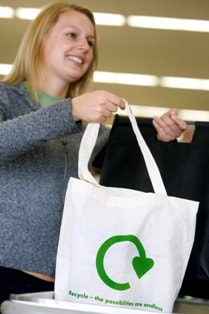
It pointed out that, according to the study, a cotton shopping bag has to be reused at least 131 times to have less environmental impact than a single-use plastic bag.
Damaging
To date, retailers virtually halved bag use between 2006 and 2010. But, reacting to the report, the British Retail Consortium (BRC) said the continuing focus on plastic bagswas a damaging distraction from more important environmental issues.
BRCsustainability director Andrew Opie said: Were pleased to see the Environment Agencys report acknowledges single-use carrier bags can have less impact than the alternatives. Yes, the plastic bag has become symbolic but this report confirms it is not the great environmental evil some would have us believe.
Agonising over bags misses the point. There are much bigger targets supermarkets are helping customers to work on, such as reducing food waste. To obsess over bags distracts consumers from making bigger changes to their habits which would do more to benefit the environment.
Study
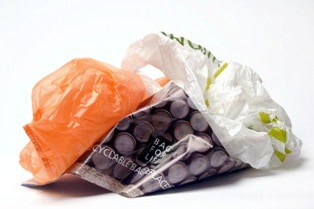
The Environment Agency study also found that an estimated 76% of lightweight carrier bags were reused for example to line kitchen bins raising questions over whether they should be described as single-use.
The Environment Agency said that other environmental impacts of single-use lightweight plastic bags such as litter which werent assessed by the study also need to be taken into account.
The report was requested by the previous UK government. It was part of an overall study they were carrying out on how to reduce the environmental impact of retail and food packaging. It has been published today following a period of peer review and discussion with the retailers.
Related Links
An Environment Agency spokesperson said: A significant part of the environmental impact of these bags is associated with the resources used in their production. All multi-use bags need to be reused as much as possible to reduce their relative environmental impact and be responsibly recycled at the end of their life.
Plastic bags for life only need to be used a few times to have a lower environmental impact than single-use carrier bags.

Register for free to comment