



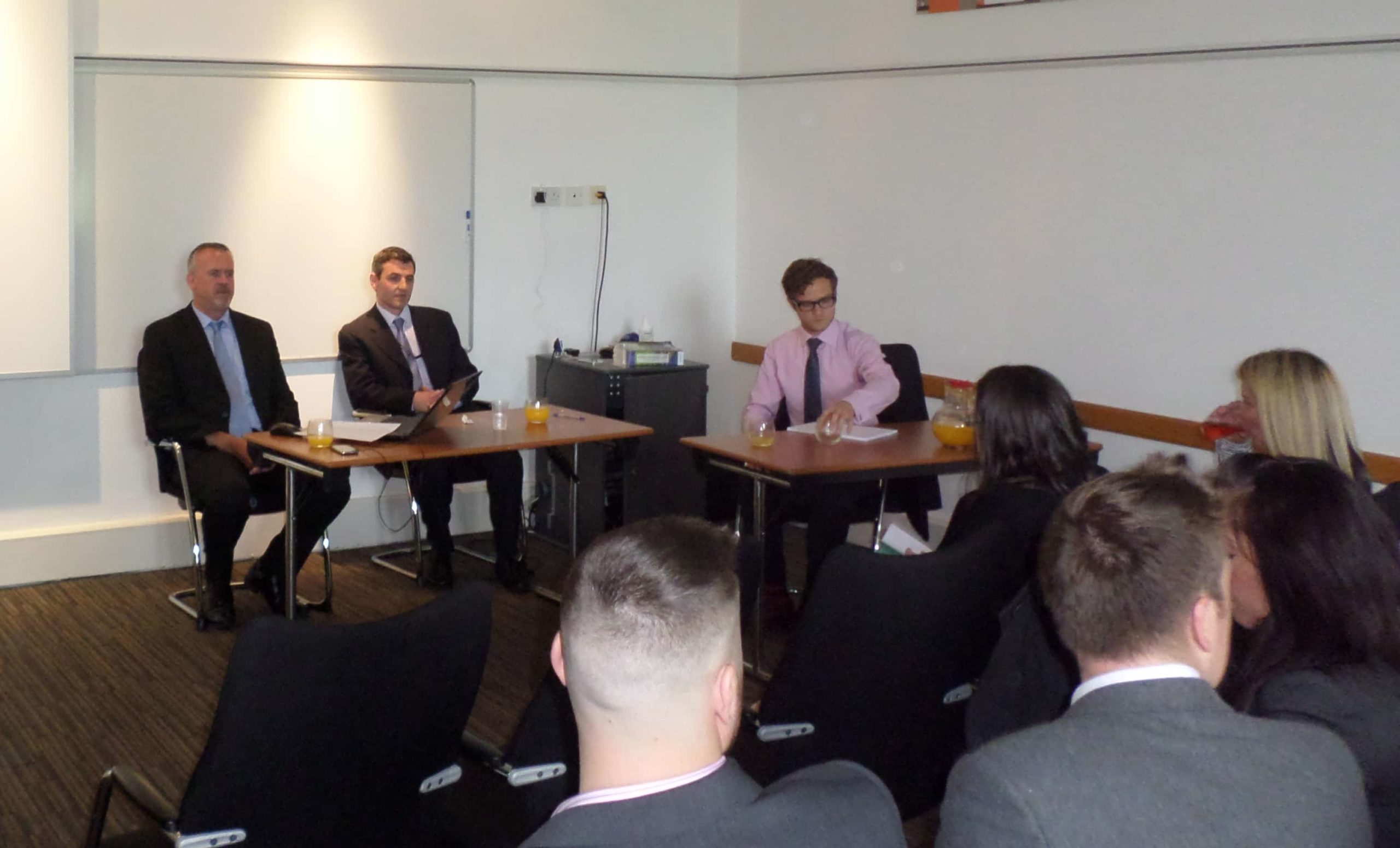
However, outlining its inspection approach at a seminar this week (June 9), the Scottish Environment Protection Agency (SEPA) said it was impractical to specify an acceptable contamination percentage for bales of waste paper and also denied it was taking a zero tolerance approach to inspections.
The seminar was organised by the Recycling Association amid recent fears that Scottish regulators are in some cases clamping down on material sent for export with anything above 0% contamination, which exporters say is impossible to achieve.
And, opening the seminar in Lancaster, Recycling Association chief executive Simon Ellin said regulators in different parts of the UK were taking different stances, and as a result he was aware of several operators in Scotland now exporting from England to avoid SEPA inspections which he said “cannot be a good thing”.
[testimonial id = “243” align=”right”]
He conceded that it was “very difficult” to specify where the line is drawn on material between quality and legality, and said that quantities of WEEE and medical, food and nappy waste should rightly be illegal in paper bales.
However, he argued that some out-throw of non-hazardous waste such as plastic should be allowed for export in paper bales if it has an “environmentally sound application”, which he said would be the case for most paper mills in China.
Dr Ellin said that “clumsy regulation” was a barrier to business, and in order to create consistency argued for the adoption by all UK regulators of the European paper quality standard EN643: “Why can’t we adopt that so we are all singing from the same hymn sheet?”
Simon Marsden of waste paper firm Recycling UK also voiced his frustration, stating that “we need guidance because everyone says different things” describing the situation as “ridiculous” as well as calling for the quality regulations to be targeted at local authorities and MRFs from where the material derives.

SEPA
However, appearing at the seminar to explain the process for export inspections, unit manager for producer compliance and waste shipments at SEPA, Colin Morrow, said: “Each container that we look at we assess on a case by case basis. I really want to stress this: We have never taken a zero-tolerance approach to quality inspections.”
He added that around 75 containers had been let go by inspectors despite all having some level of residual, non-hazardous contamination.
Explaining the regulator’s approach, Mr Morrow said that until early 2013, SEPA had undertaken random container inspections at ports such as Greenock, but decided to change tack as while it “did produce results, it wasn’t a very scientific way of doing things and didn’t produce very much knowledge”.
Now, he explained, SEPA inspectors take a ‘cradle to the grave’ approach, and have carried out audits at almost 200 MRFs, 25 waste brokers, 20 councils. He said more than 100 containers at sites and ports had been inspected, with 75 let go despite having some level of non-hazardous contamination.
[testimonial id = “244” align=”right”]
But he said more than 25 containers have been stopped on suspicion of breaching regulations, with seven cases referred to the procurator fiscal, final warning letters sent out and three enforcement notices issued. He said there were also two ongoing investigations involving MRFs and brokers.
“We haven’t randomly gone out to sample, we have targeted what we think might be the poorest quality. It is very, very rare that we find a container without any contamination,” he explained, and showed photos of bales in which SEPA had found the likes of kitchen sinks, toilet seats, Christmas trees, umbrellas and guitars.
But, he dismissed repeated calls from attendees for written guidance on acceptable levels of contamination in material bales to provide clarity for paper packaging exporters as he argued that it was very difficult to precisely stipulate in writing what is acceptable.
He added that there was also no prescribed limit in EU regulation and that any such limit would have to be based on quantity as well as the type of waste. Meanwhile, any such a limit could also differ entirely to that of regulators abroad which receive the material.
Mr Morrow said: “Let’s say we could put something out in writing, there is still no guarantee that that is acceptable for regulators in other countries.”
SEPA inspection approach
According to Mr Morrow, there are roughly 40 bales in a shipping container, and SEPA officers take the same approach as other UK authorities, adhering to China’s 1.5% contamination limit for paper, with a lower limit for plastics.
He said officers inspect four bales in a container on a predetermined basis to get representative samples, with contamination segregated into waste types and photographed and SEPA assessing each load on a case-by-case basis.
But he said that part of the problem was that “by and large nobody is really sampling” waste bales and that the “quality control is poor”, highlighting the importance of mandatory reporting requirements in the MRF code of practice coming into force in Scotland in October.
Mr Morrow said SEPA “have now got a much better idea of where the more poor quality waste is coming from” adding that this “has led to more containers being stopped and more enforcement”.


Register for free to comment