


A legal action back in 2006 which broadly came out in favour of recycled oils not being waste, helped lead the way to the publication earlier this year by the Environment Agency of the Quality Protocol for the production of processed fuel oil from waste lubricating oil. 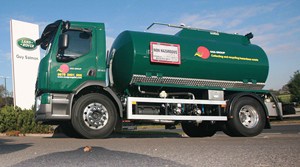
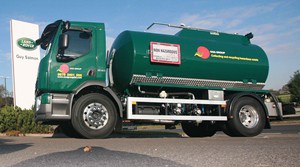
Today (5 September) OSS announced that as a result of “over seven years and 6million worth of research and development”, it had launched Gen3 onto the market. The Knowsley-based company describted the product as a top quality processed fuel oil (PFO), produced to the same BS 2869 specification as virgin fuels and meeting all the technical and legal requirements of the End of Waste Quality Protocol for Processed Fuel Oil.
Alternative
The product is seen by OSS as being an alternative to virgin fuels offering savings of around 20%compared tothe cost of virgin fuel oils. The oil has a wide range of applications across many industries including industrial heating, glass production, brewing and food. It has a typical sulphur content as low as 0.50% and benefits from higher calorific values with no requirement for tank or trace heating and does not need to be continually re-circulated when in storage.
Testing of the oil is a factor in gaining the quality protocol status as the requirement for an approved laboratory is contained within the protocol and OSS has set up its own UKAS accredited laboratory allowing instant batch testing boosting production capabilities.
According to OSS group sales and marketing manager Mark Bridgens, Gen3 is a superb, clean and very efficient development of our original recycled fuel oils. We have installed new processing facility at our Worcestershire refinery which now allow us to produce this even more advanced fuel.”
Mr Bridgens added: We are now selling over 1 million litres a week across the UK to a range of industries with customers benefiting from immediate cost savings.
The used oil which is recycled into Gen3 comes from OSS transfer stations across the UK. It is largely sourced from garages and other industrial used oil sources rather than from local authority amenity sites. A spokesman said: We believe there are fewer amateur mechanics changing oil at home nowadays and material at CA sites can be more contaminated. We often collect the oil from the garages when we are also collecting other materials.
Quality Protocol
The Environment Agencyhas published a number of documents about processed fuel oil (PFO).The Agency notes:The PFO Quality Protocol sets a standard for processed fuel oil made from WLO. If this standard is met, PFO will normally be regarded as fully recovered and waste management controls will no longer apply. Most importantly, the burning of the PFO will not be subject to the requirements of the Waste Incineration Directive (2000/76/EC).


Register for free to comment