

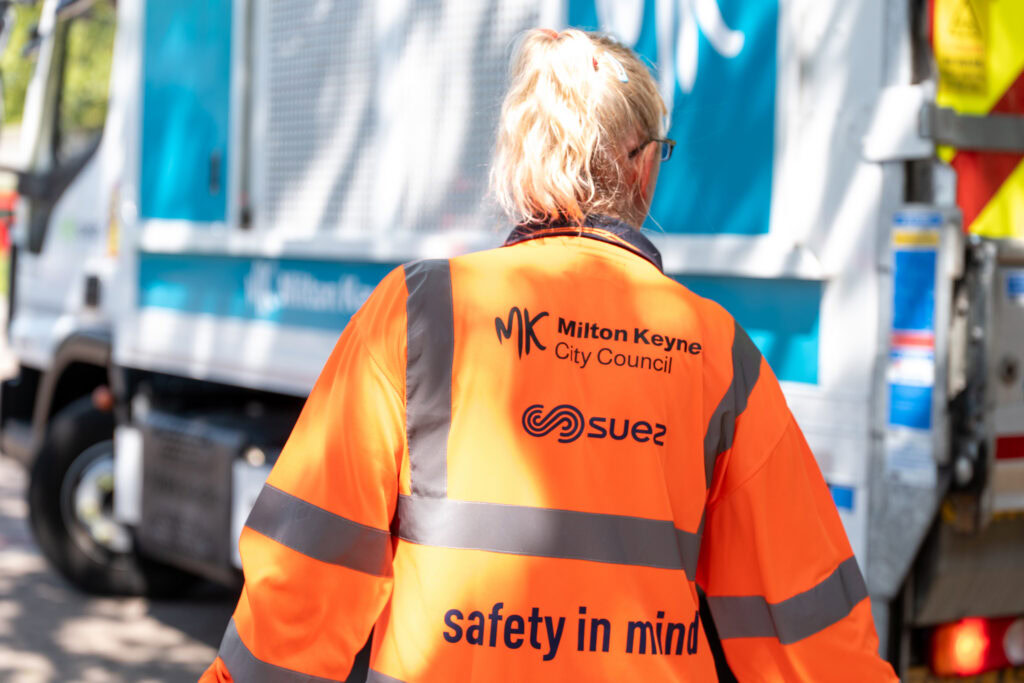
The duel represents an expansion of the existing relationship between the council and Suez, which has been delivering household waste collections and street cleansing services in the city since September 2023.
Under the new agreement, Suez will continue operating the Milton Keynes Waste Recovery Plan, which has capacity to process up to 133,000 tonnes of residual waste each year from Milton Keynes and West Northamptonshire.
Xavier Girre, CEO of Suez Group, said: “The United Kingdom is an historical and major market for SUEZ, accounting for a third of our global waste management activities.
“We are determined to remain a leading player in the country by leveraging our expertise, innovation and investment capacities.”
According to the company, more than 98,000 tonnes of waste are collected annually across the city, while recycling performance has increased significantly during the contract period.
Suez described Milton Keynes as “England’s leading city for recycling”.
The company has begun trialling a fully integrated fleet safety platform across its Milton Keynes fleet, following a contract with Fleetclear.
Suez’s UK operations
The Milton Keynes contract announcement comes as Suez continues to expand its UK waste treatment and recycling portfolio.
Alongside the contract win, the company confirmed construction is beginning on two new facilities designed to strengthen its capabilities in food waste and battery recycling.
In Northumberland, Suez is developing a new anaerobic digestion plant which will produce biogas from food waste, while the company is also expanding a lithium battery recycling facility as demand for battery treatment capacity increases.
The company additionally was appointed interim operator of the Energy from Waste plant in Aberdeen at the start of the year, following the termination of the previous operating contract.
Girre added: “These new contracts with long-term clients and the development of critical facilities illustrate our commitment to serve our clients at all stages of the waste value chain: from collection, sorting, recycling, to thermal treatment, anaerobic digestion and gasification of biowaste.”

Register for free to comment