

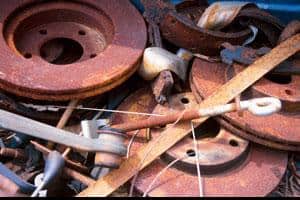
Metal recyclers have welcomed the safe passage of the Scrap Metal Dealers Bill through its latest reading in the House of Lords, after it was debated by Peers today (January 18).
A cash ban has been in place throughout the scrap trade since December, but the new measures will close a loophole that allows itinerant traders still to use cash, and provide stricter licensing requirements for scrap yards.
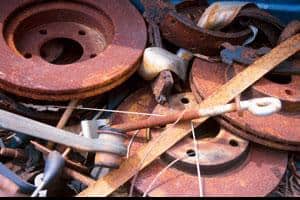
The reform measures have been tabled in Parliament as a Private Members Bill by Conservative backbench MP Richard Ottaway, with backing from opposition MPs and the Home Office.
But, it had been feared that the Bill could be delayed, after a sunset clause which would have seen the Bill expire after five years was proposed by the government in order to appease a number of MPs who had wanted to add further amendments to the bill.
Metal recyclers claimed any further delay to the Bill could leave them in limbo.
However, when scrutinising the Bill today, the Lords rejected the amendment arguing that it could delay the Bills passage into law and would send the wrong signal to those tackling metal theft. The Bill is now subject to a further reading in the House of Lords, but it is thought that it could become law before Easter.
BMRA
Ian Hetherington, director general of the British Metals Recycling Association (BMRA), which represents scrap metal recyclers in the UK, said that the Bill would be welcomed by the scrap industry, as it closed an existing loophole created by the Legal Aid Sentencing and Punishment of Offenders Act, which became law last year.
Under the legislation, licensed scrap yards are prohibited from paying cash for scrap, but itinerant dealers are exempt from the ruling which, according to the BMRA, creates an uneven playing field for scrap dealers.
Mr Hetherington said: It is imperative that the Scrap Metal Dealers Bill is passed as quickly as possible to improve regulation in the metals recycling industry and fight metal theft.
‘As legislation currently stands, some metal traders – such as motor vehicle salvage operators – are exempt from the changes brought in under the Legal Aid Sentencing Act, which leaves an unfair playing field.’
Ian Hetherington, British Metals Recycling Association
The BMRA welcomes the revised bills progress because loopholes and exemptions in the LASPO Act expose legitimate businesses to a drop in trade, job losses and closures whilst allowing criminal activity to continue.
As the legislation currently stands, some metal traders such as motor vehicle salvage operators are exempt from the changes brought in under the Legal Aid Sentencing Act, which leaves an unfair playing field.
The Scrap Metal Dealers Bill hopes to eradicate these issues by closing off the loopholes and putting a robust regulatory framework in place to back it up.
Among the other measures proposed to tighten rules around trading scrap metal in the Bill are plans to make local authorities responsible for issuing a licence to trade in scrap metal, for which the local authority will have the power to revoke or suspend.
Powers
In addition, the Environment Agency would be responsible for maintaining a register of all licensed scrap dealers in the UK, which will be made publicly available. And, the Bill would make it a legal requirement for identity to be produced at the point of sale of scrap.
Police and local authorities would also be given greater powers to enter and inspect unlicensed scrap yards, with clause nine of the bill allowing entry to these premises with a court order, while the Bill would remove a loophole allowing itinerant scrap dealers to trade in cash, and would see a cash ban enforced across the whole of the industry.
Mr Ottaway, the MP for Croydon South, said: Im pleased my Bill is still on track but regret that the Government amendment was defeated.
The sunset clause was an undertaking given in good faith in the House of Commons by myself and the Government minister Jeremy Browne. To see it voted down is disappointing. Nonetheless I look forward to the Bill completing its passage through the Lords in the near future.
Related Links
The Bill is now subject to a final reading in the House of Lords before receiving Royal Assent, and it is expected that it will be entered into the statute book in the coming months.


Register for free to comment