

Used in everything from batteries and renewable energy systems to electronics and advanced manufacturing, these materials are essential to the modern economy. With supply chains heavily concentrated overseas, the government is now looking to recycling as a way to recover valuable materials already embedded in products across UK homes, businesses and infrastructure.
What are critical minerals?
Critical minerals are raw materials that are considered both economically important and at risk of supply disruption.
They are essential to sectors such as clean energy, digital technology, defence and advanced manufacturing. Examples include:
- Lithium and cobalt used in batteries
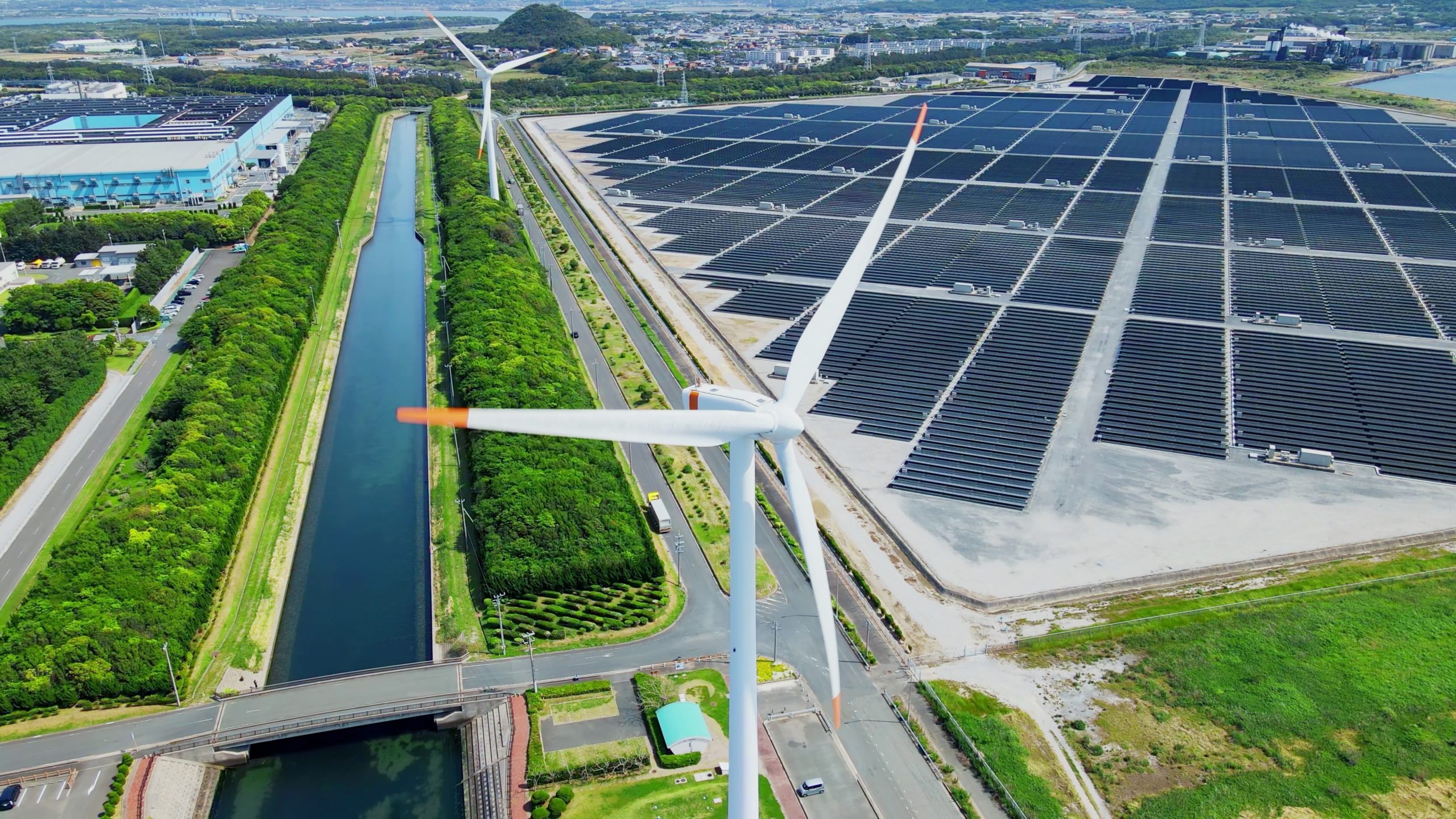
- Rare earth elements used in wind turbines and electronics
- Platinum group metals used in industrial processes
The UK Government has also introduced a new category of “growth minerals”, identifying materials expected to become increasingly important to the UK’s future manufacturing and industrial sectors.
Demand is only expected to increase in the coming decades as countries – including the UK – scale up renewable energy, electrify transportation and expand digital infrastructure.
There is a high supply risk associated with these minerals, as production is often concentrated in a small number of countries.
Traditionally, critical minerals are sourced through mining and primary processing, with China dominating the rare earths supply chain, controlling around 70% of global mining and roughly 90% of refining capacity.
As a net importer of these materials, the UK faces particular vulnerabilities. Its domestic mining sector is relatively small, meaning it relies heavily on international supply chains.
However, the government argues the UK effectively has two domestic sources of critical minerals: those in the ground, and those already embedded in products across homes, businesses and infrastructure.
Recycling critical minerals
The recycling industry already plays a role in supplying certain metals, with materials such as copper, nickel and platinum group recovered due to their value and established markets.
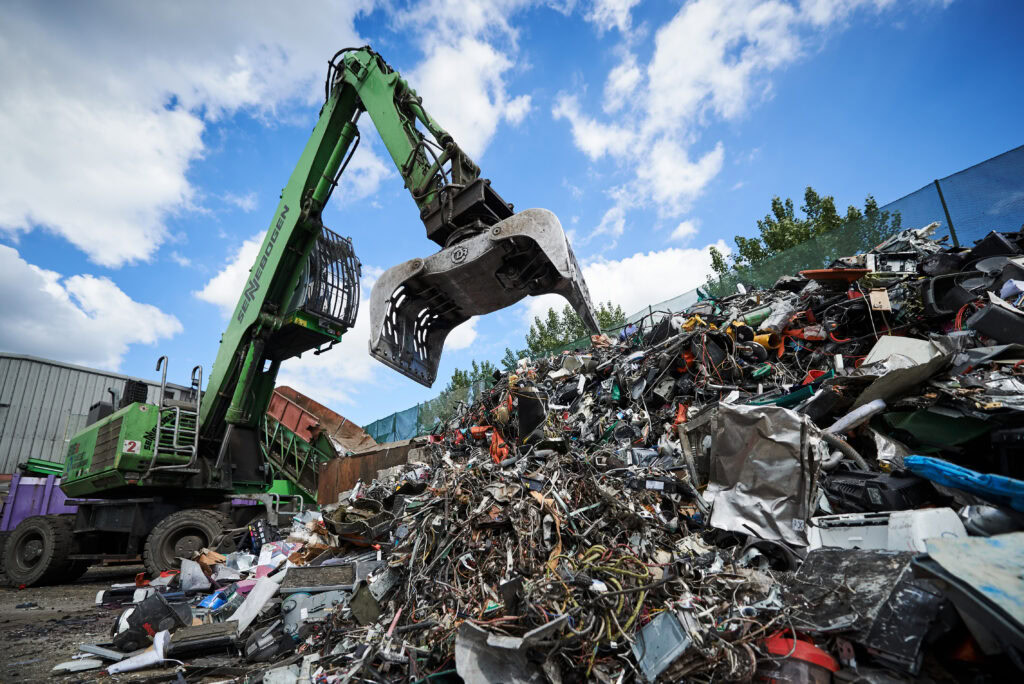
Electrical products, batteries and renewable energy equipment – often referred to as the “urban mine” – contain valuable metals that can potentially be recovered once they reach end of life.
However, many rarer technology metals, including some used in electronics and clean energy technologies, are present only in small quantities and are more difficult to extract economically. These include: indium, gallium, tellurium and tantalum.
The British Metals Recycling Association (BMRA) explained: “Recycling rates are already high for metals as it’s a mature industry with long-established end markets. For example, copper, nickel, platinum group metals (PGM), all have strong markets.
“Other metals/materials in the Strategy may be difficult or costly to recover from EOLs, or the volume of products containing target minerals may not be currently arising in sufficient quantity to make treatment cost-effective (or scalability issues) or the markets are immature.”
At the same time, there is still limited data on how much of these materials are available in the UK’s waste streams. Scott Butler, Executive Director at Material Focus, said more work is needed to understand the scale of the opportunity.
Butler explained: “There’s still a lot that needs to be done in mapping where these various metals are actually placed in the urban mine.
“Until we do that it feels premature to be having a firm target because we don’t know what’s out there and where it is and how accessible it is.”
Barriers to critical mineral recycling
One major barrier to the recovery of critical minerals from waste is collection.

The volume of small electronics collected in the UK continues to grow. In fact, Defra raised the targets for 2026 due to exceeding amounts collected in the previous years and unaccounted for volumes in 2025.
Material Focus estimated that UK households are holding onto 880 million unused electrical items, costing the economy £488 million in lost valuable raw materials.
Another is technology. Many of the metals used in modern electronics and green technologies are present only in small quantities, requiring advanced processes to extract them economically.
While innovation is taking place in areas such as advanced separation and bio-leaching technologies, these systems often require significant investment and further development before they can operate at scale.
More broadly, the sector still lacks comprehensive data on where critical minerals are located in products, infrastructure and waste streams across the UK. Without this information, it is difficult to plan infrastructure and investment effectively.
The UK Critical Mineral Strategy
The government’s Critical Minerals Strategy sets out the UK’s long-term approach to securing the materials needed for economic growth and the clean energy transition.
Its vision is that the UK will have the critical minerals it needs by building domestic capabilities in processing and recycling, while strengthening international partnerships.
The strategy sets several targets to be achieved by 2035:
- At least 10% of UK demand for critical minerals to be met through domestic production
- 20% of demand to be met through recycling
- Supply chains diversified so that no more than 60% of supply comes from a single country
Alongside boosting domestic production and attracting investment, the strategy emphasises the role of the circular economy.
Government departments are working together on a forthcoming Circular Economy Growth Plan, which is expected to include regulatory reforms designed to encourage the recovery of critical minerals from end-of-life products.
Hopes for the Circular Economy Growth Plan
Many in the sector are now looking to the Circular Economy Growth Plan for further clarity on how the government intends to support critical mineral recovery.
Industry stakeholders have suggested several measures that could help unlock recycling potential. These include improving the collection of end-of-life (EOL) products, encouraging better product design for recycling and creating market incentives for the use of recycled materials.
The BMRA explained: “We would like to see better collection of EOLs to funnel more materials into recycling facilities, improved product standards and design for recycling, market incentives, including green procurement or minimum recycled content requirements for new products, and investment support to encourage businesses to invest in recovering critical minerals not already captured.”
Investment support for emerging recovery technologies – particularly for batteries and rare earth elements – is also important.
Butler added: “The growth plan is an opportunity to really get behind investment in understanding the picture, where are the materials and how available are they to us.
“Recovering those materials will require innovation and investment.
“This is about future jobs, future skills and a really fascinating future ahead, if we get this right.”
Want deeper insight into Waste Electrical and Electronic Equipment (WEEE) recycling? Join us at the National E-Waste & Critical Minerals Conference 2026 on 11 March, London – find out more here.

Register for free to comment