

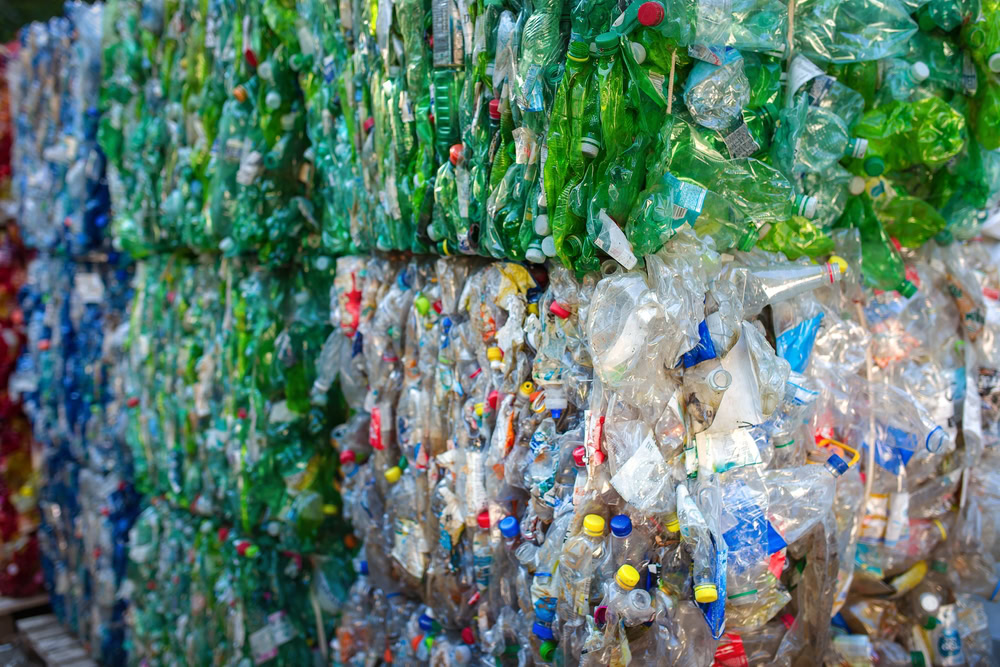
Drawing on interviews across the supply chain, the report found that action is needed as current operational capacity covers just 23% of the infrastructure needed to recycle all plastic packaging placed on the UK market.
Robbie Staniforth, Chief Policy and Impact Officer at Ecosurety, commented: “The UK’s recycling future is not predetermined. While there are some critical risks identified in this white paper, there is also hope driven by the recommendations.
“We, as an industry and in partnership with Government, can change the current narrative and deliver a brighter future for people and the planet.”
Plastics recycling sector ‘in continued decline’
According to the research, more than 200,000 tonnes of UK plastic reprocessing capacity has been lost since 2024. Volatile end markets, policy uncertainty and high operational costs have combined to push facilities to the brink.
Without intervention, the white paper warns, the UK risks losing the majority of its remaining plastic reprocessing infrastructure by 2030, increasing reliance on exports and imported recycled content at the very moment circular economy ambitions are being raised.
Steve Morgan, RECOUP Director, added: “The plastic reprocessing sector in the UK is in continued decline.
“Without a rescue package we will increasingly rely on exporting an even greater share of plastic packaging waste and being dependent on imported recycled content.
“There is every advantage for building circularity for plastic packaging in the UK – we can develop sovereign capability and boost local economies, or those benefits can be realised overseas. The choice will ultimately be ours.”
PRN and tax reform
To reverse this trend, the report has set out a series of recommendations designed to stabilise and rebuild the sector.
It called for mandated minimum material sorting standards to tackle inconsistent feedstock quality.
Higher standards would reduce contamination, improve yields and strengthen confidence in UK-produced recyclate, helping domestic reprocessors compete with imports.
Reform of the Packaging Recovery Note (PRN) system is also prioritised. Interviewees raised concerns over transparency and volatility, prompting recommendations for tighter enforcement and more stable PRN values to provide greater investment certainty and better support domestic capacity.
To drive demand, the paper proposed increasing the Plastic Packaging Tax by £50 per year from 2027 to 2030 and aligning recycled content thresholds with EU requirements.
RECOUP previously warned that fraudulent claims under the tax are undermining the industry, leaving UK manufacturers at a competitive disadvantage.
Alongside this, the report urged incentives for UK-produced recycled content, including embedding recycled content requirements in public procurement, to ensure growing demand supports domestic operators rather than imports.
Finally, the authors call for strategic recognition of plastic reprocessing as critical infrastructure, backed by innovation and capital funding, as well as expanded energy-intensive industry support to offset high operating costs.

Register for free to comment