

Viridor said the move reflects “significant pressure” facing plastics recycling markets across Europe, where demand for recycled polymers has weakened amid competition from low-cost virgin plastics.
The company added that current policy and regulatory frameworks in both the UK and EU are failing to provide the certainty or enforcement needed to support long-term investment in advanced recycling infrastructure.
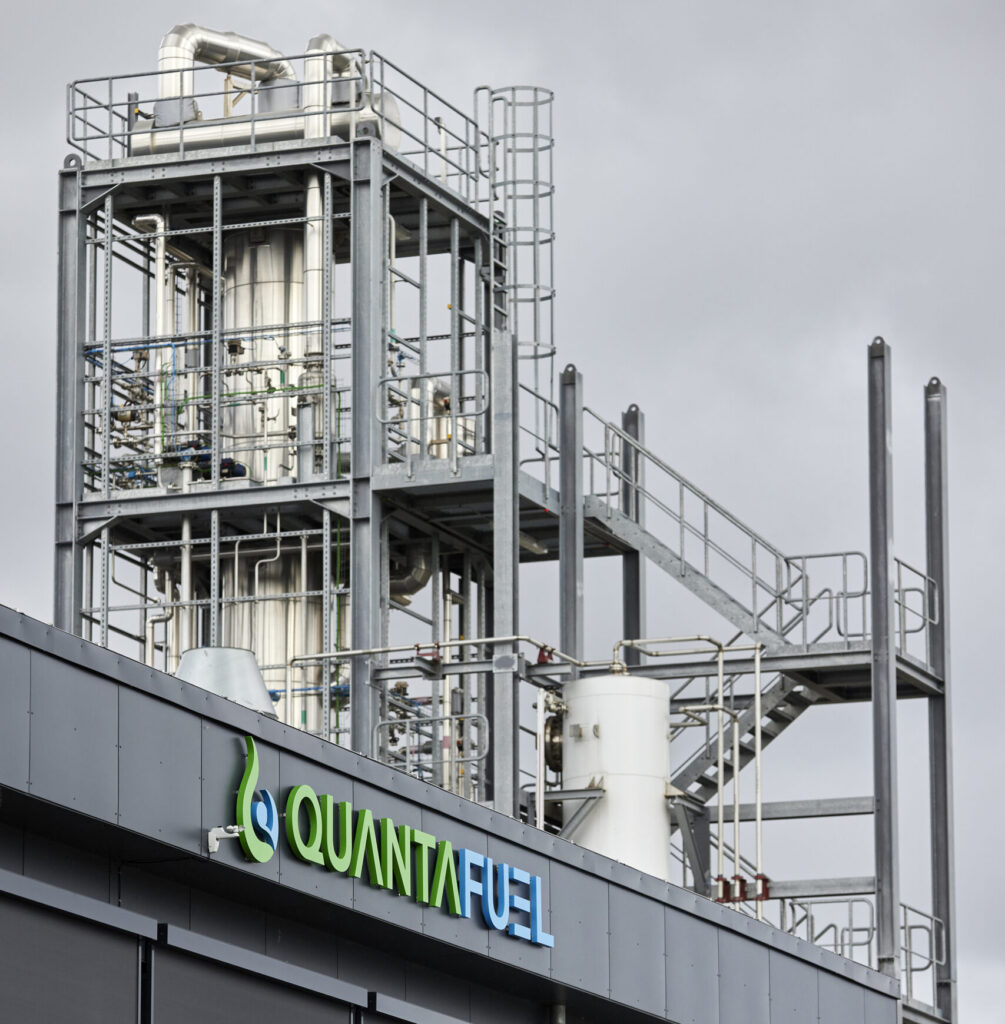
It is proposing to cease operations at its chemical recycling facilities in Oslo, Skive and Malmö, subject to local consultation and negotiation processes.
These facilties form part of the Quantafuel platform, which Viridor acquired fully in 2024.
The plants will remain operational while discussions continue with employees, and Viridor stressed that no final decisions have yet been made.
In a statement, Viridor said its priority during the consultation process would be to support affected employees.
It also confirmed that any potential closure of its chemical recycling operations would not affect the day-to-day operations of Resource Denmark’s mechanical recycling and decarbonisation business, nor its core UK energy-from-waste activities.
The proposed closures would represent another setback for the plastics recycling sector following Viridor’s decision to shut its Rochester mechanical plastics recycling facility in August 2025 due to what it described at the time as “wider market challenges”.
Lee Hodder, Managing Director for carbon capture and circular solutions at Viridor, said: “A significant share of plastic can’t be recycled through conventional methods.
“Instead, it is sent for energy recovery, sent to landfill, or exported overseas, increasing emissions and reinforcing reliance on making new plastic from fossil fuels.
“The technology works. But the problem is the broader business reality.”
Problems in the recycled plastics market
Hodder added that recycling markets are ultimately shaped by government policy and warned that, without stronger incentives and enforcement, the sector would continue to struggle against cheaper virgin plastic production.
Viridor is now calling for a series of policy interventions to support the development of advanced plastics recycling.
These include stronger measures to ensure European plastic waste is recycled domestically, clearer and enforceable recycled-content mandates in both the UK and EU, and faster implementation of harmonised end-of-waste rules for chemically recycled plastics.
The announcement comes amid wider concerns across the European recycling industry about falling recycled polymer prices, subdued demand and rising imports of cheaper virgin resin.
A recent report from Ecosurety and RECOUP found that current operational capacity covers just 23% of the infrastructure needed to recycle all plastic packaging placed on the UK market, with more than 200,000 tonnes of UK plastic reprocessing capacity lost since 2024.

Register for free to comment